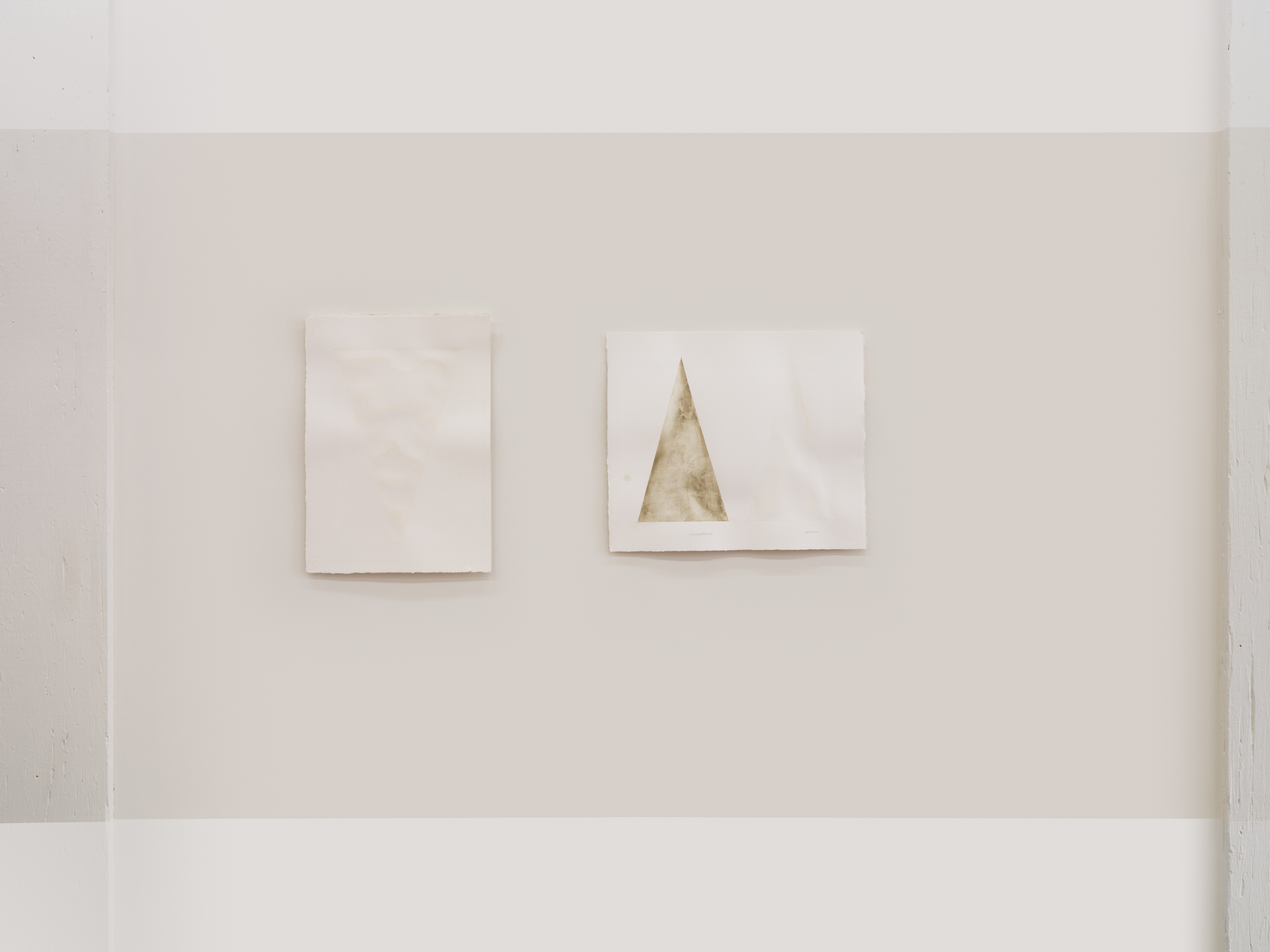
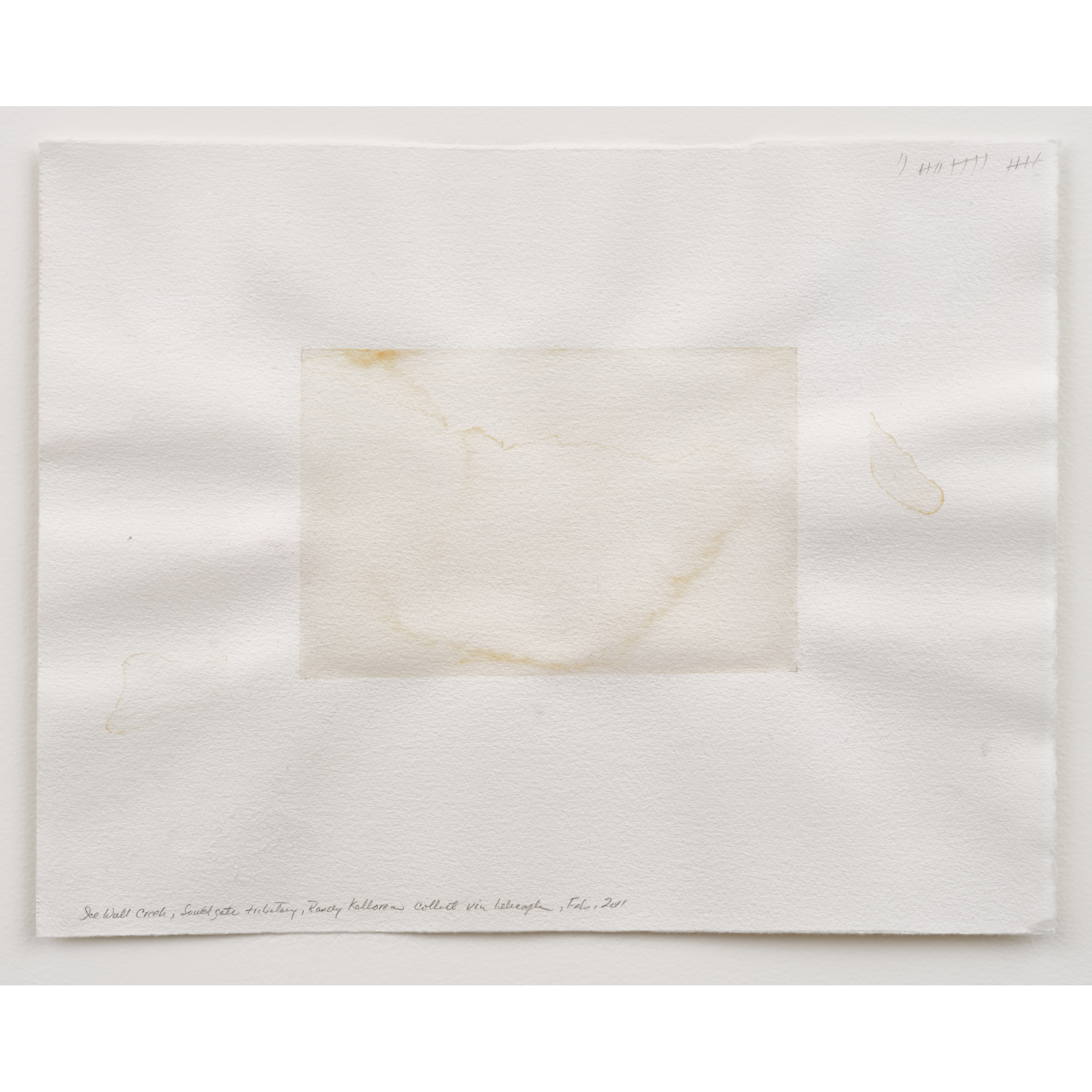
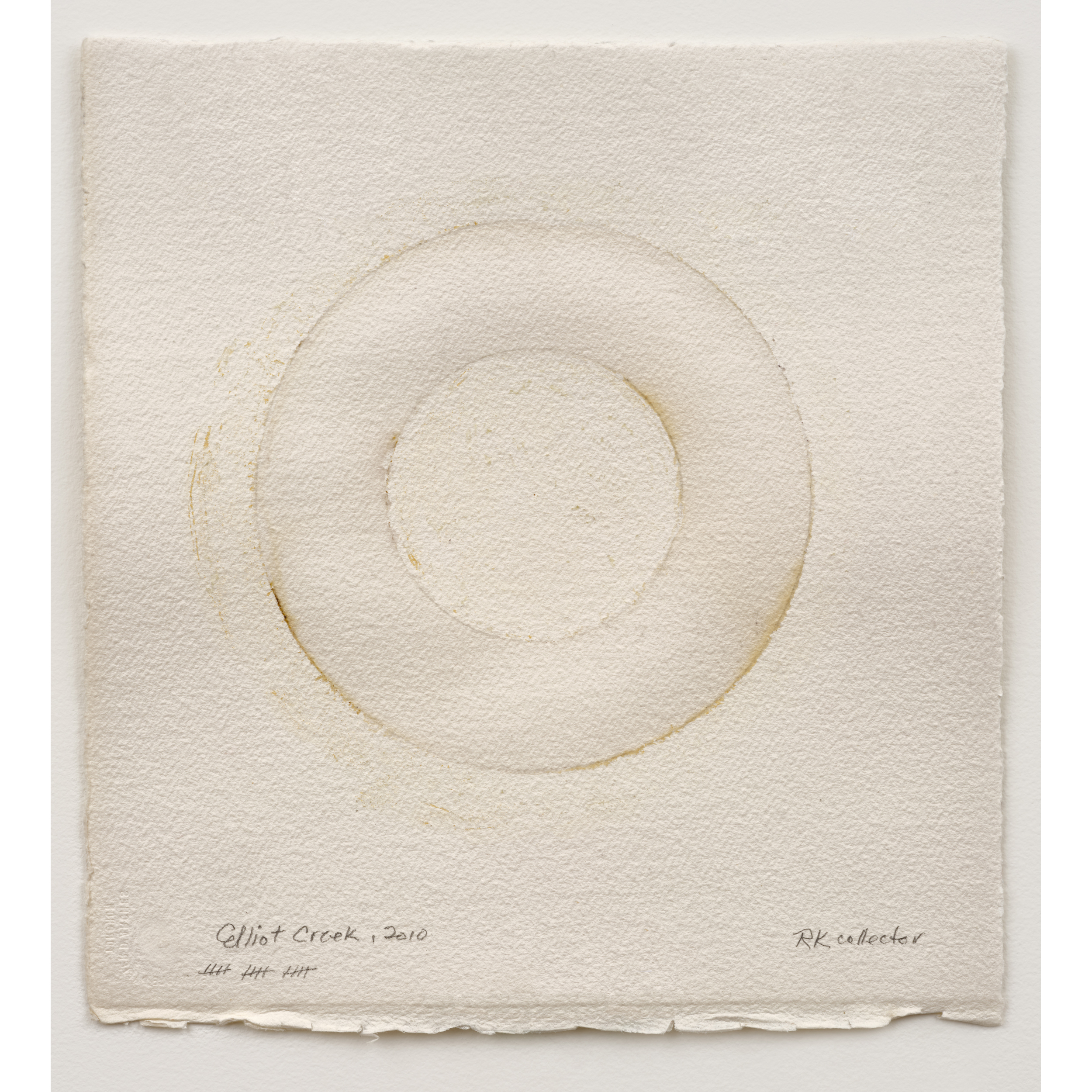
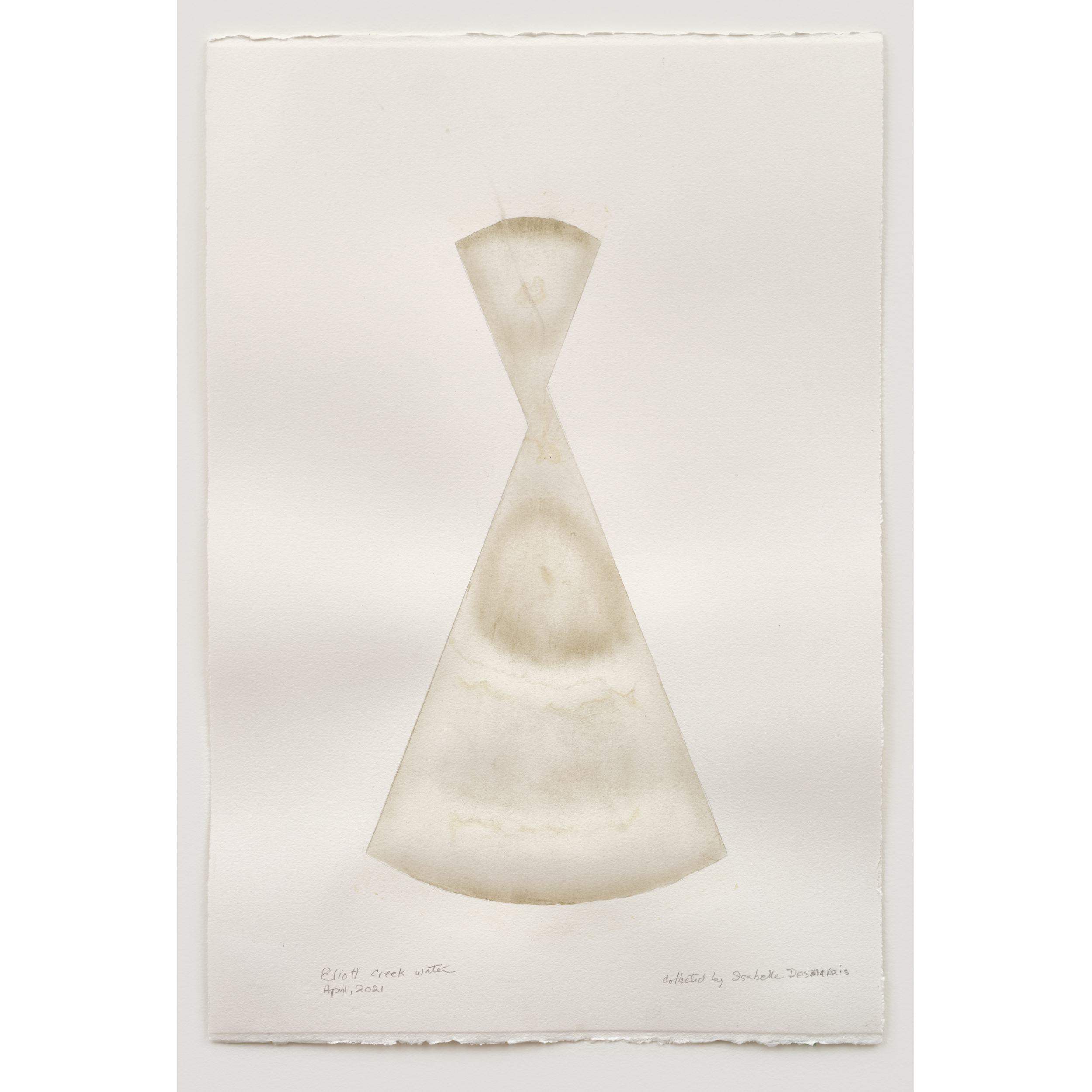
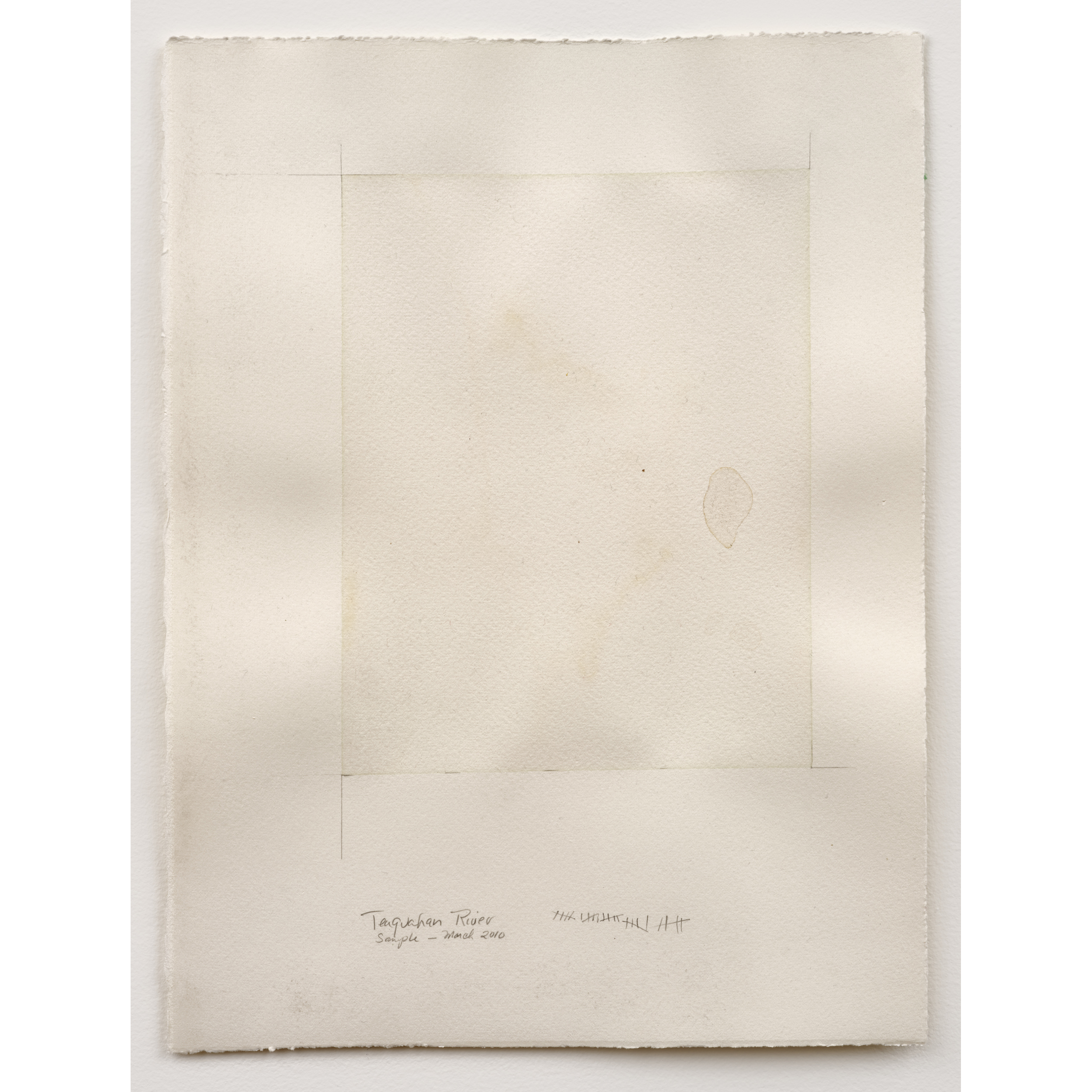
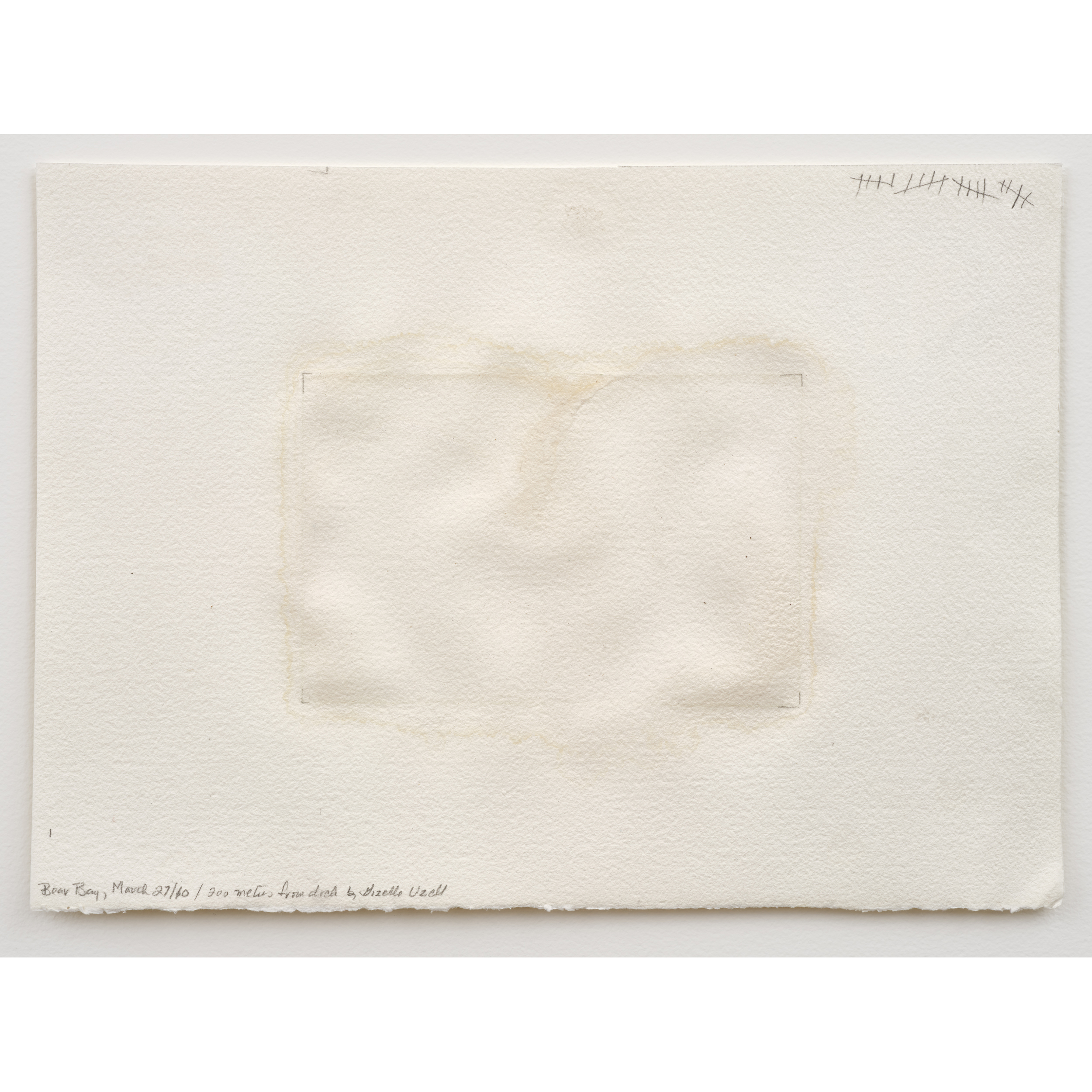
![Judith Williams, Southgate River (two upright triangles), 2021. 48.5 x 57 cm / 19 x 22 1/4 in. River water after 2021 Elliot Creek landslide [Left triangle was collected downstream from the landslide and right triangle was collected upstream from landslide]. Collected by Isabelle Desmarais.](https://freight.cargo.site/t/original/i/70a79e7edd43e272d05a48cf7e71ef07395d232d4382942adebbe5fe6f671f4c/Judith-Wililams_WATER--COLOUR_Southgate-River_two-upright-triangles_2021.jpg)
Judith Williams: WATER / COLOUR
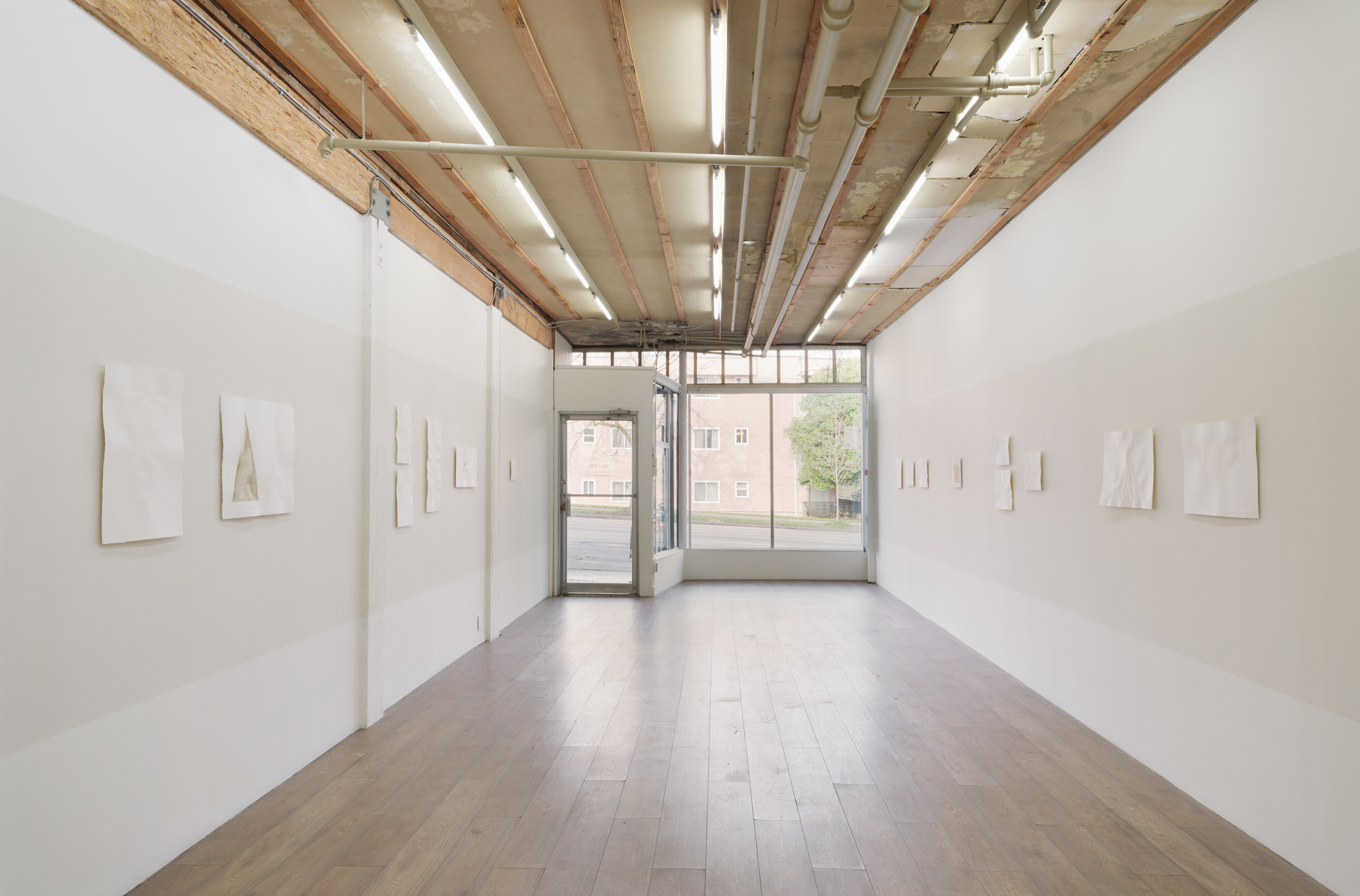
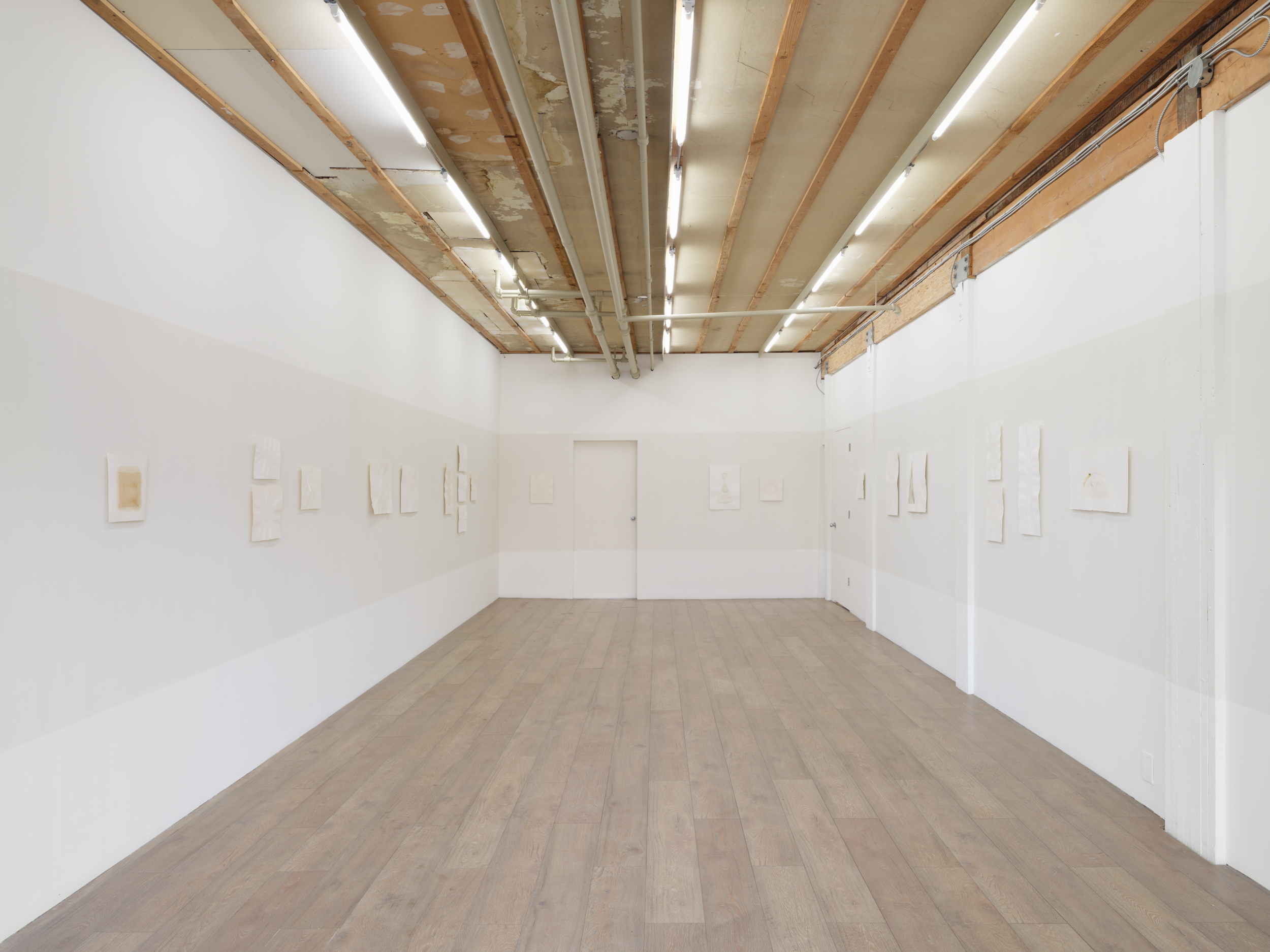
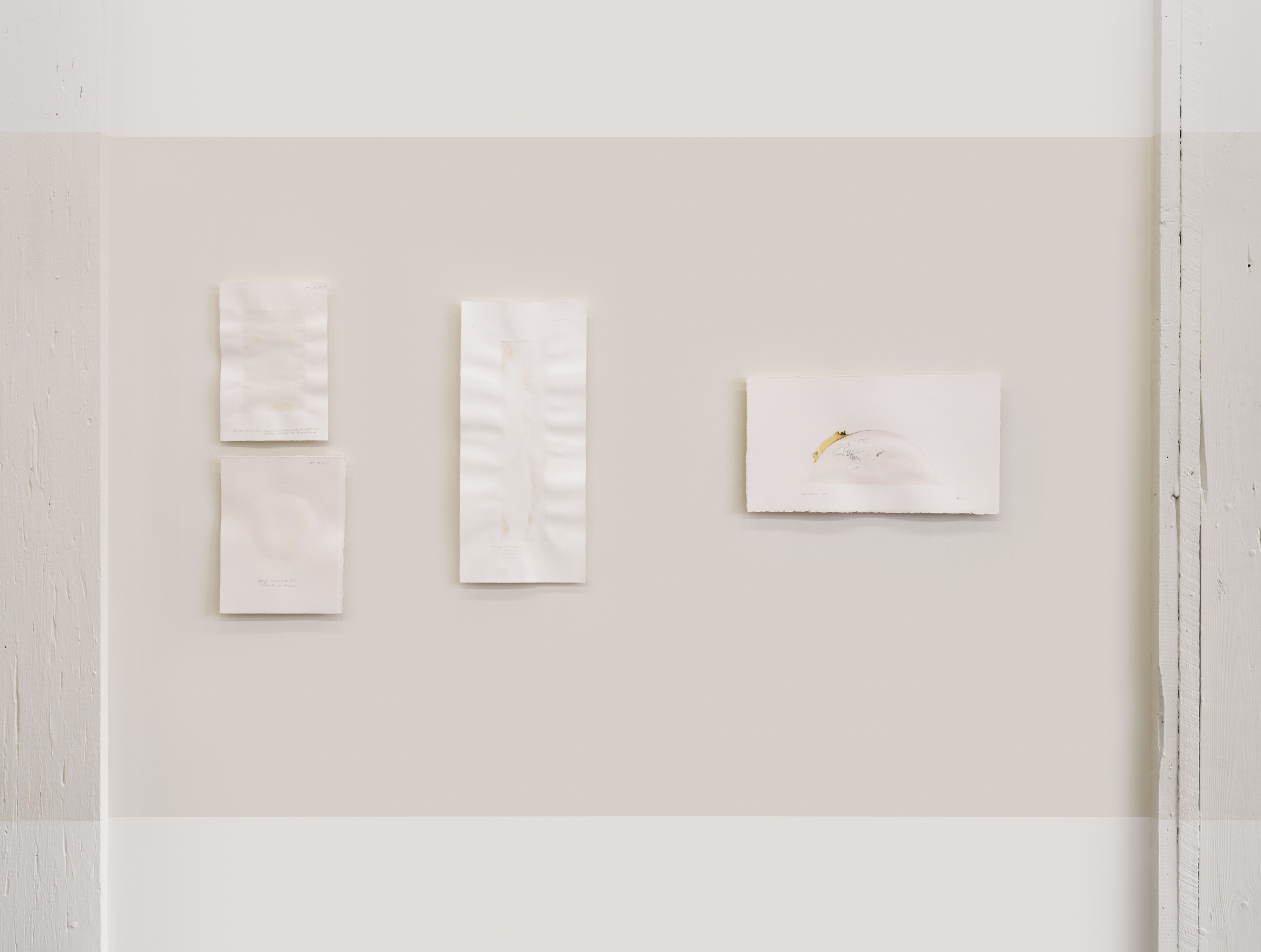
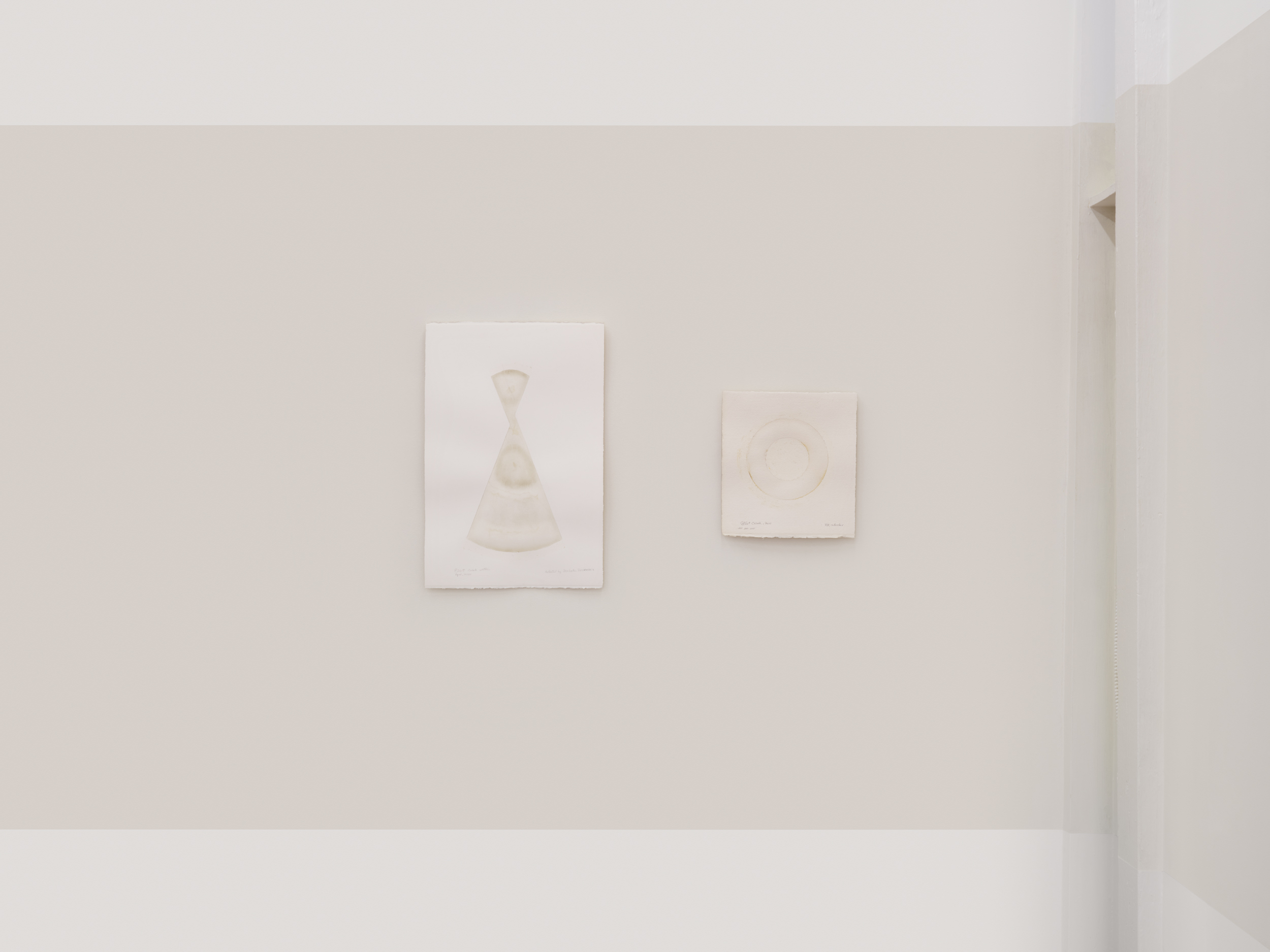
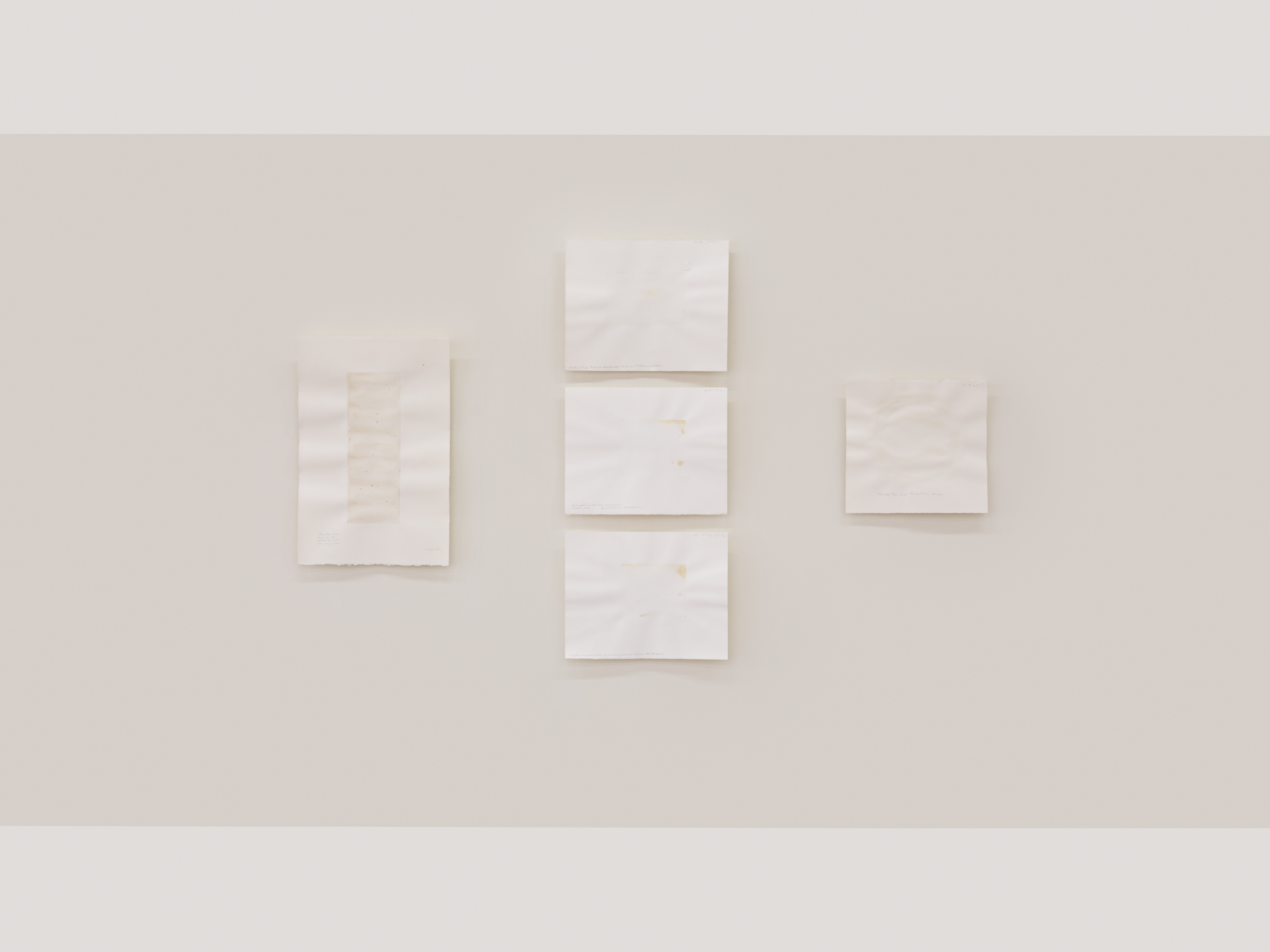
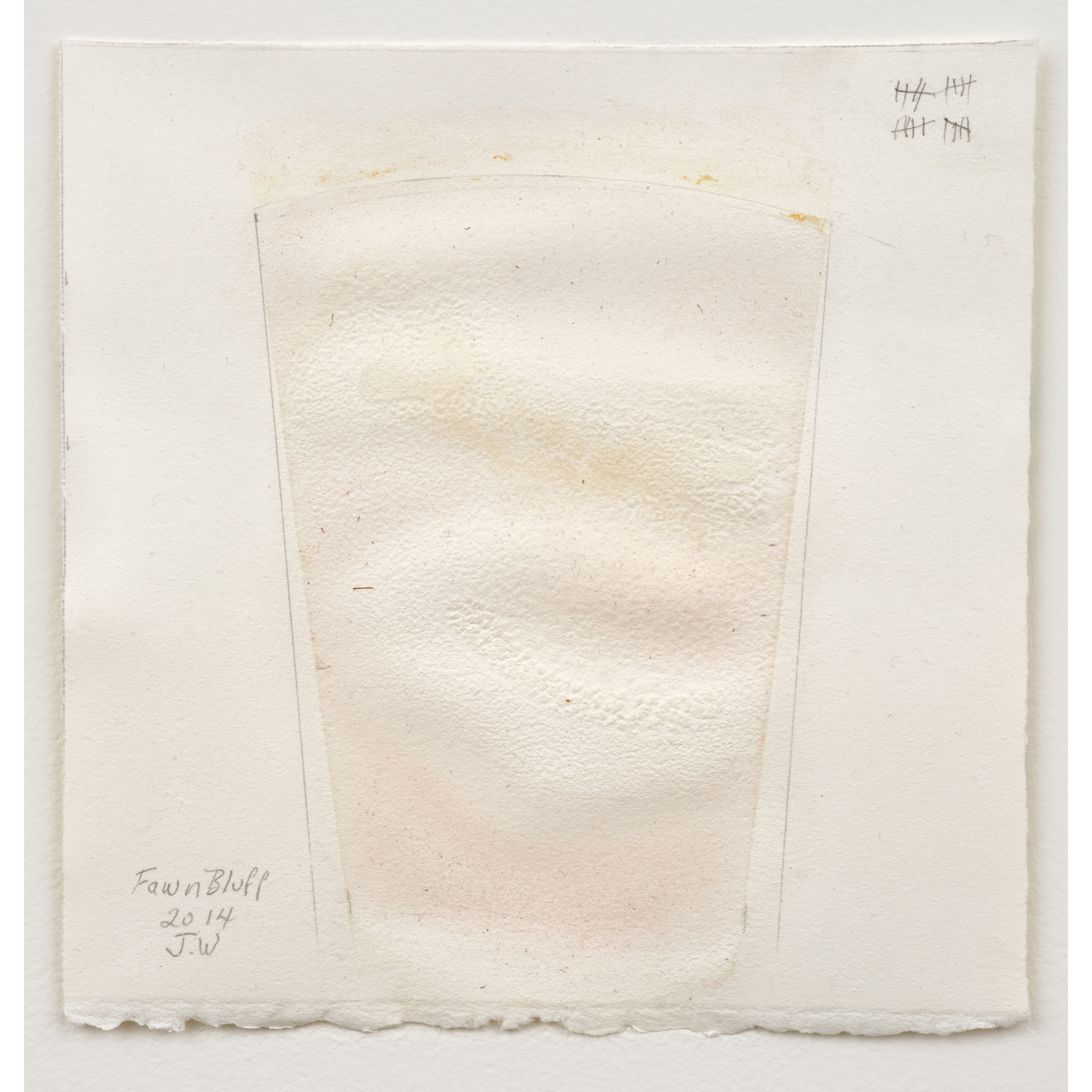
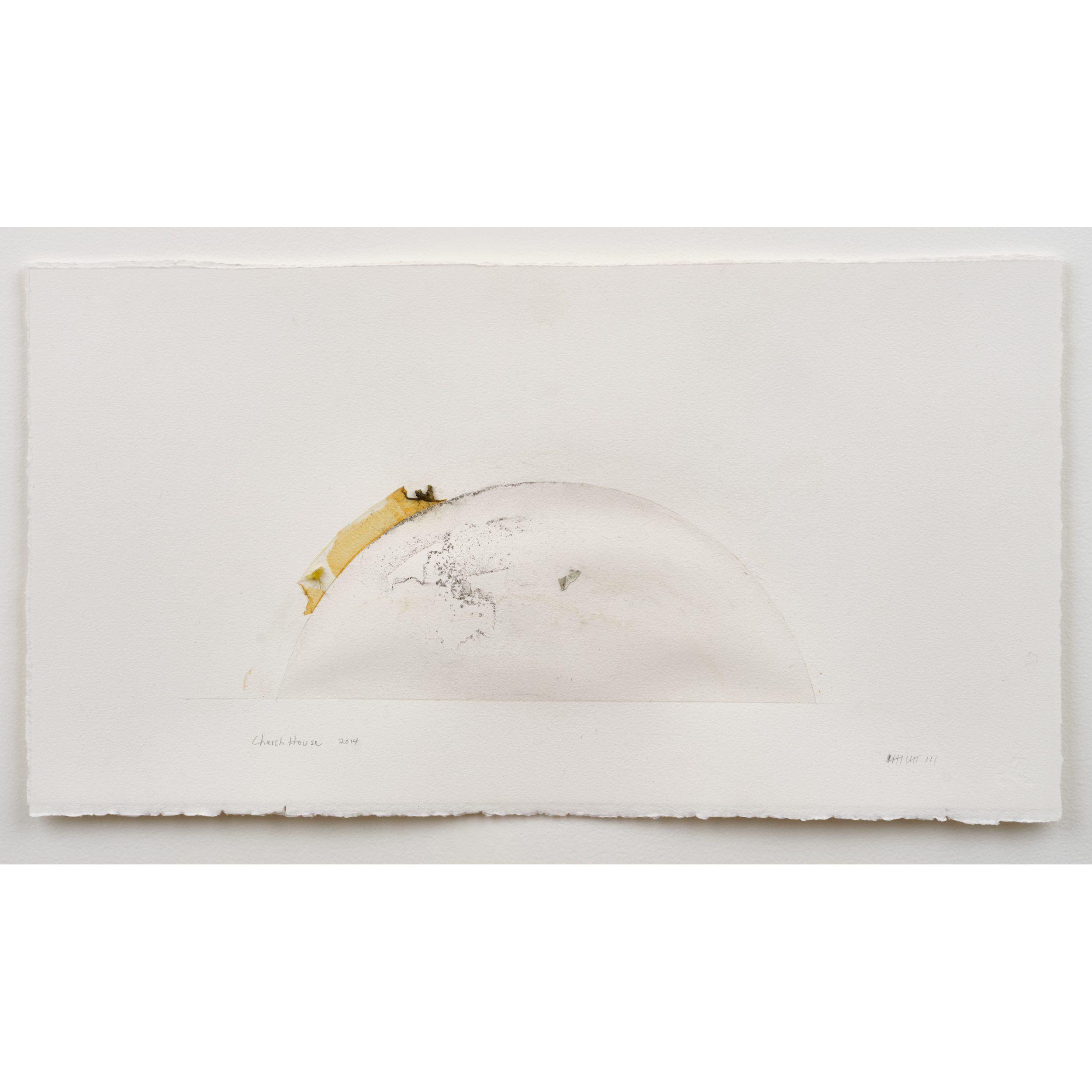
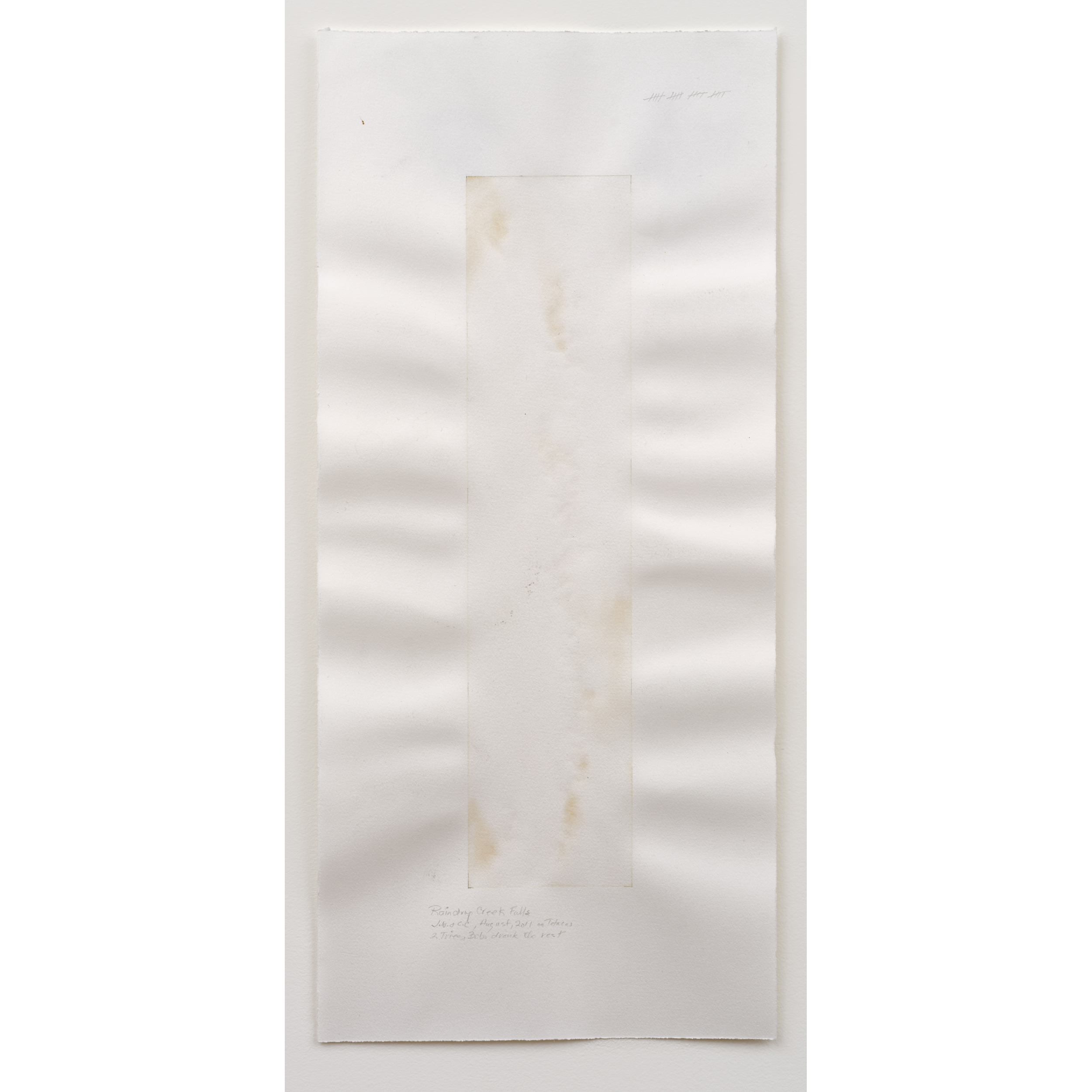
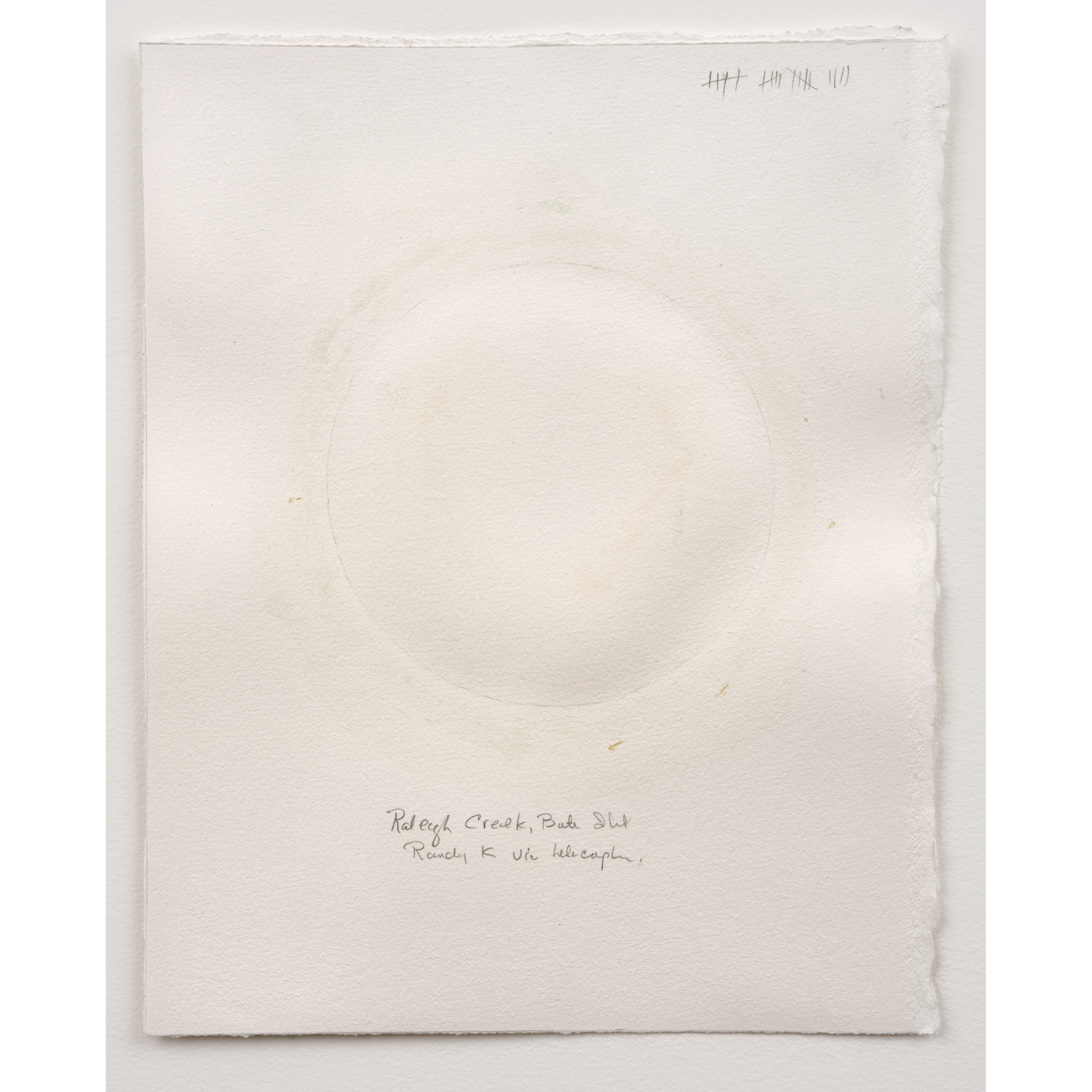
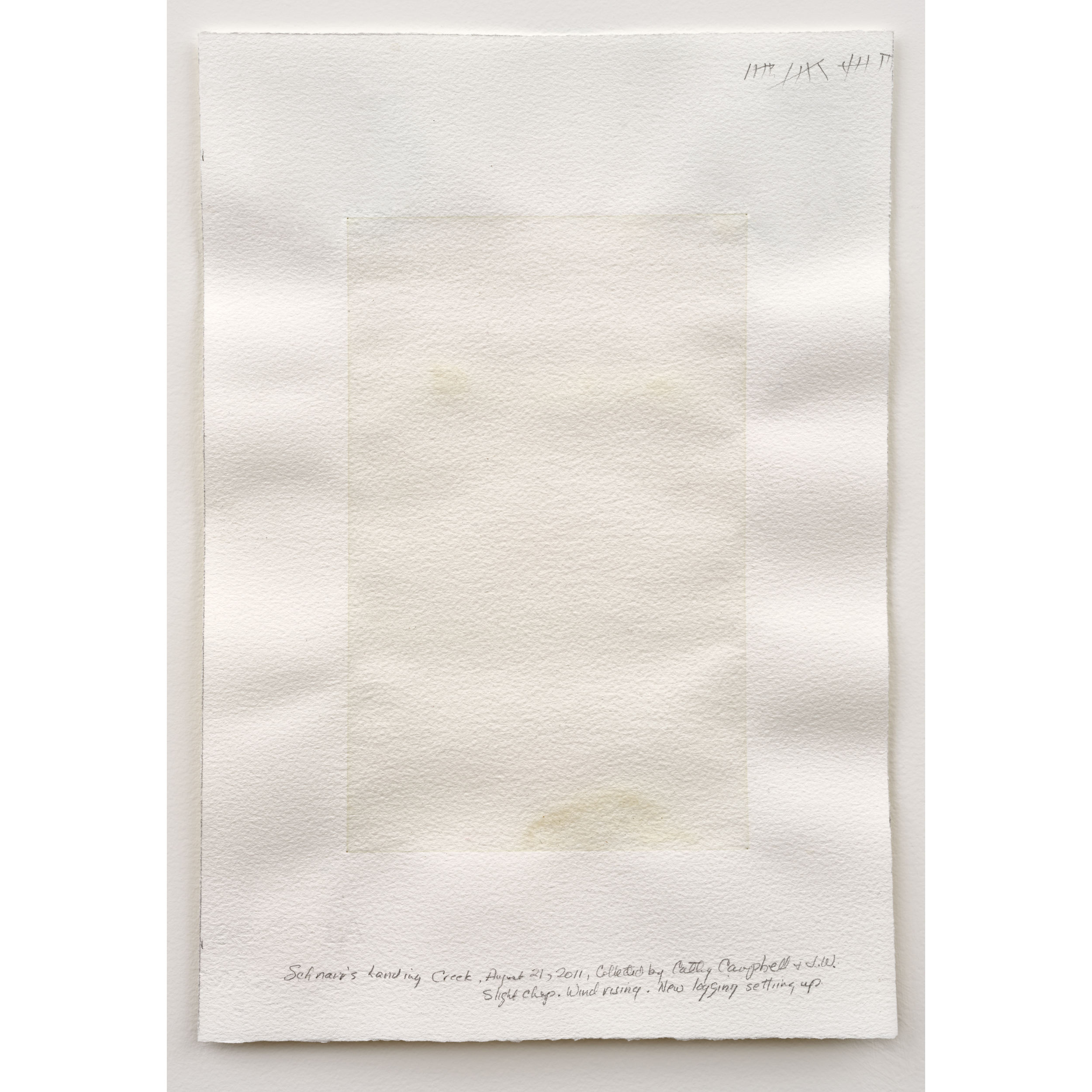
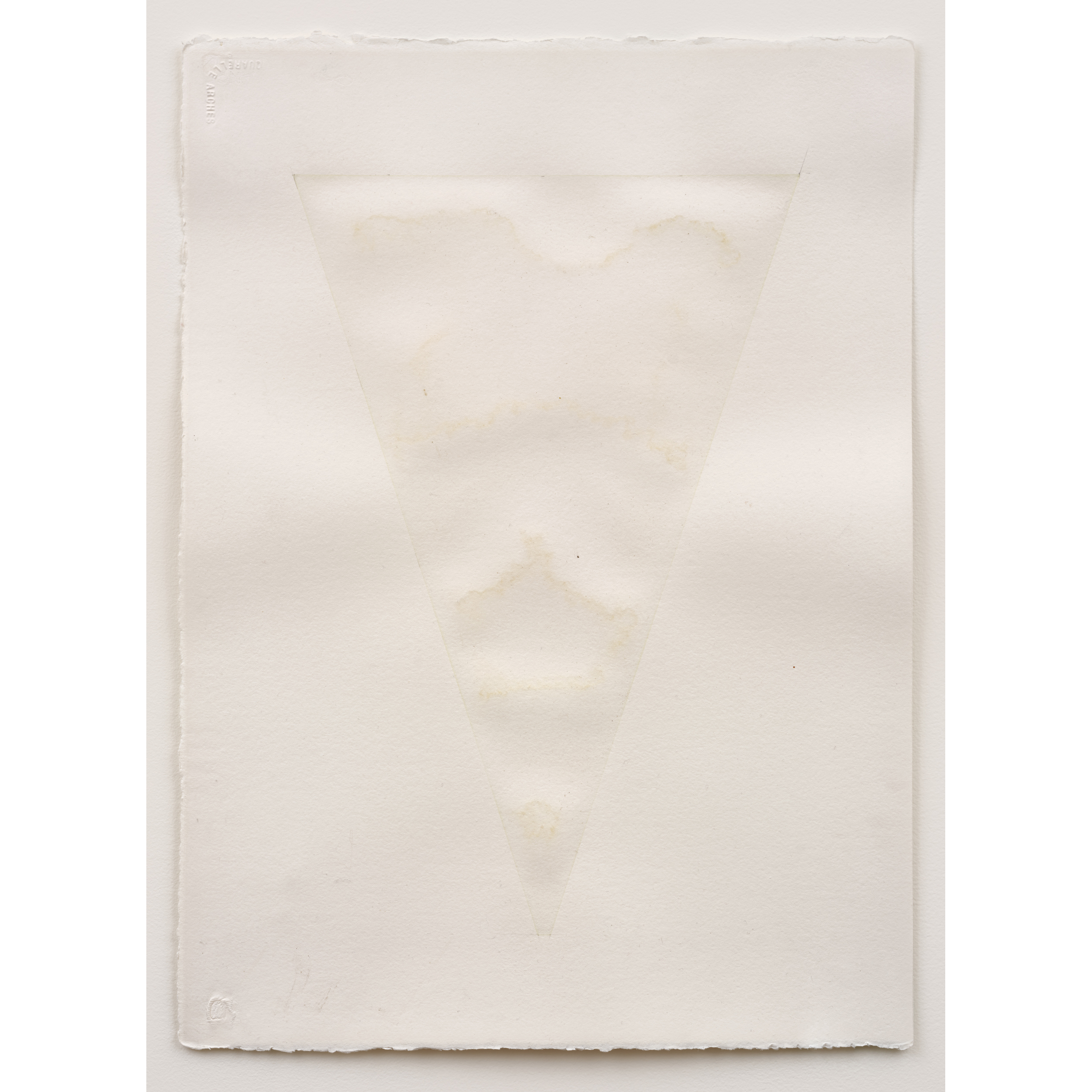
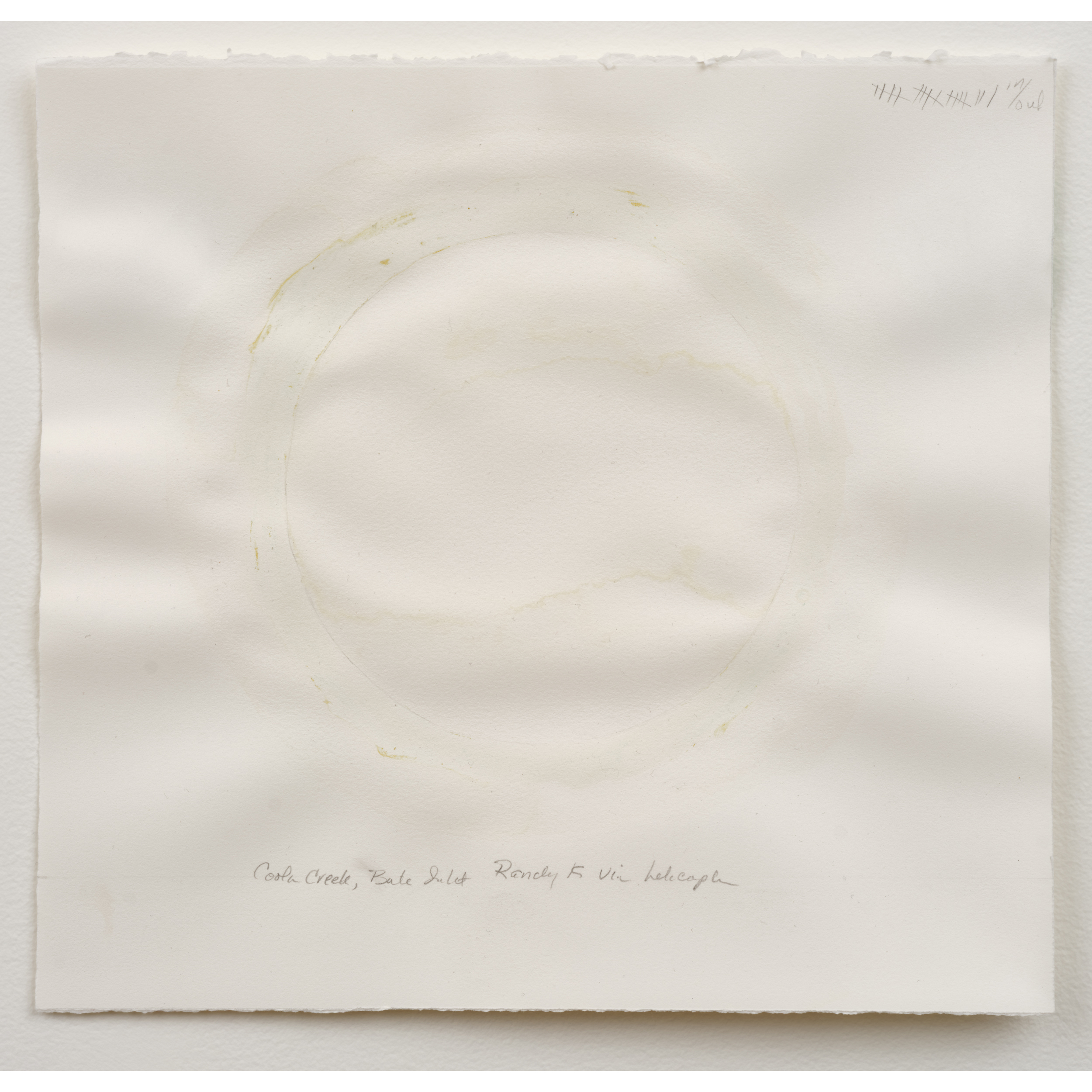
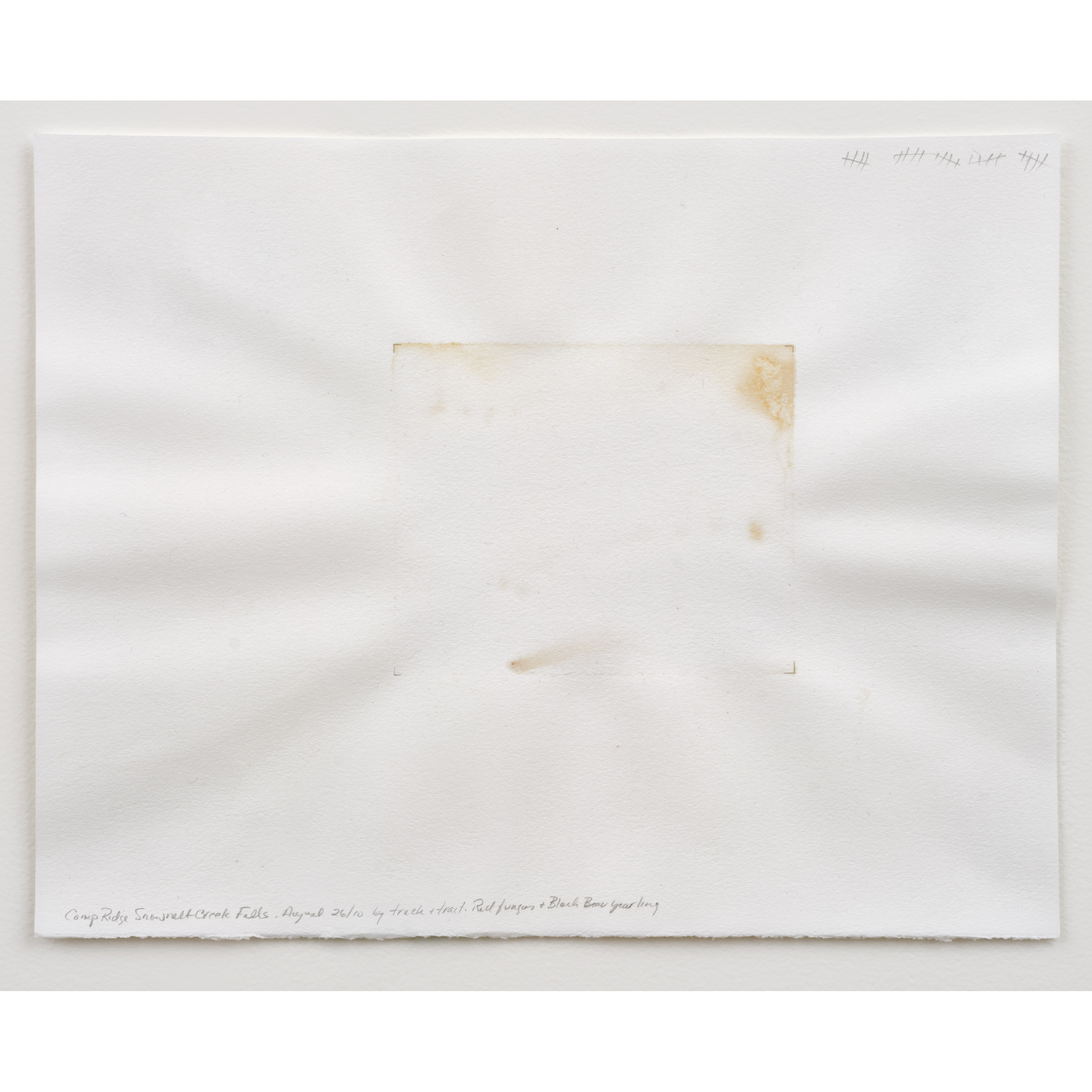
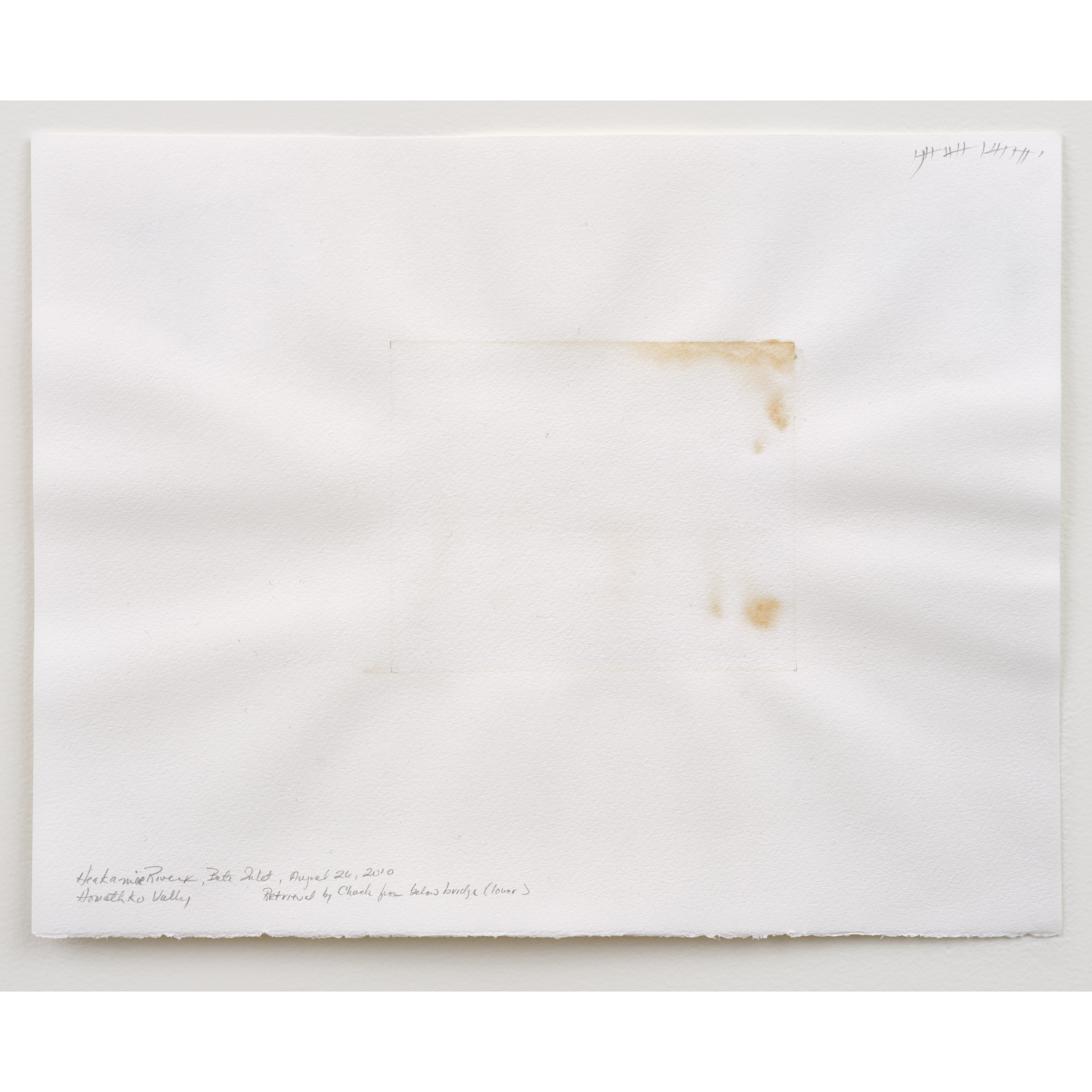
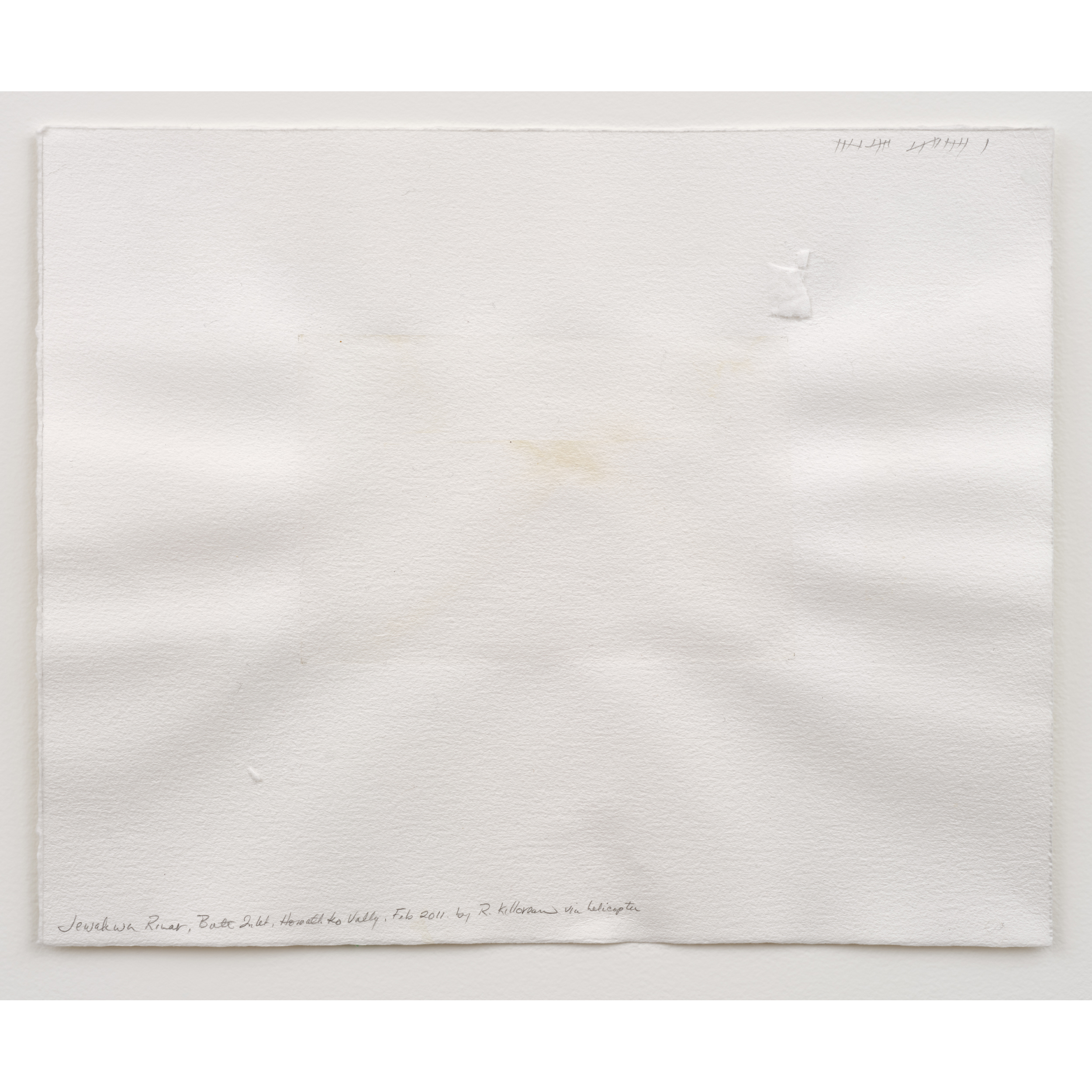
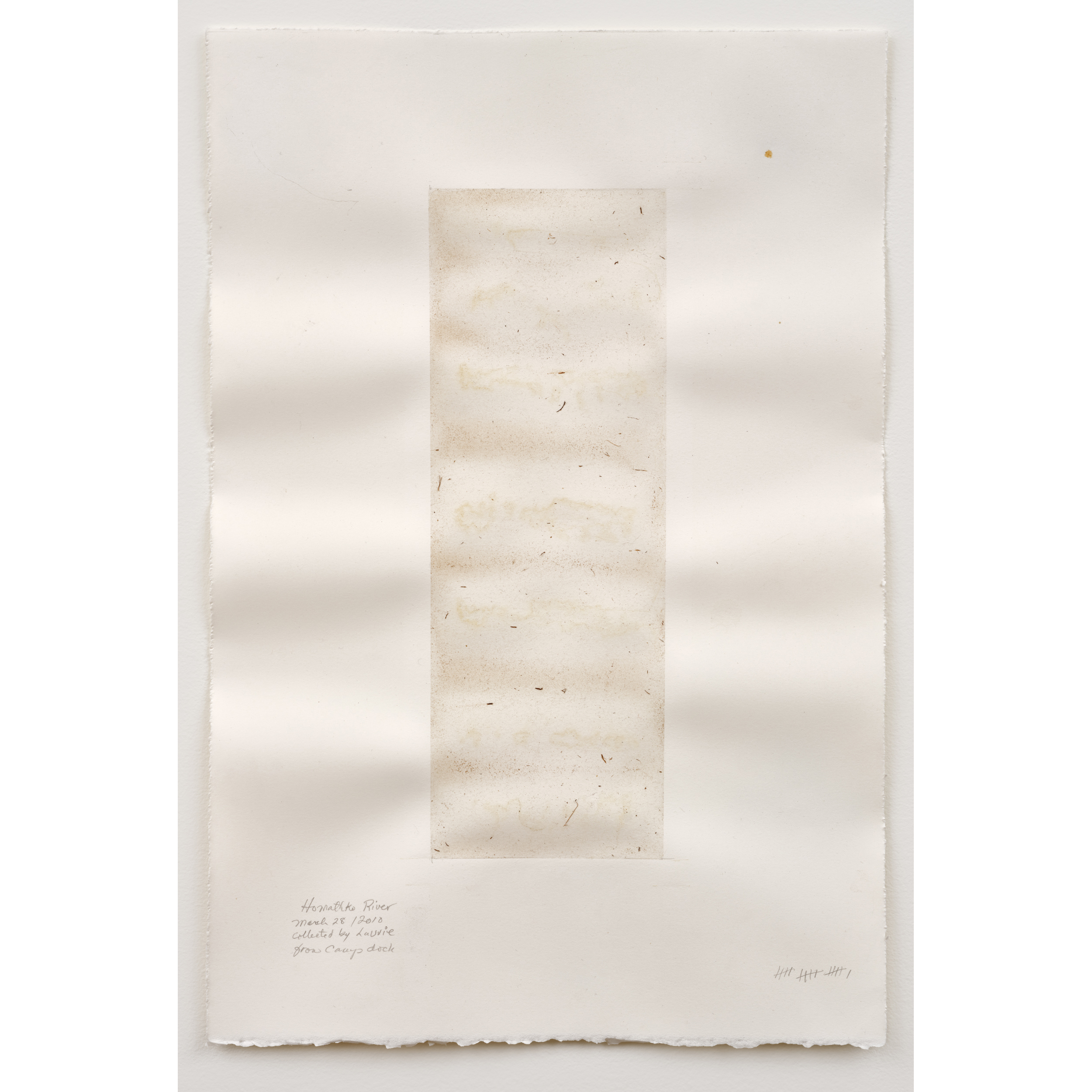
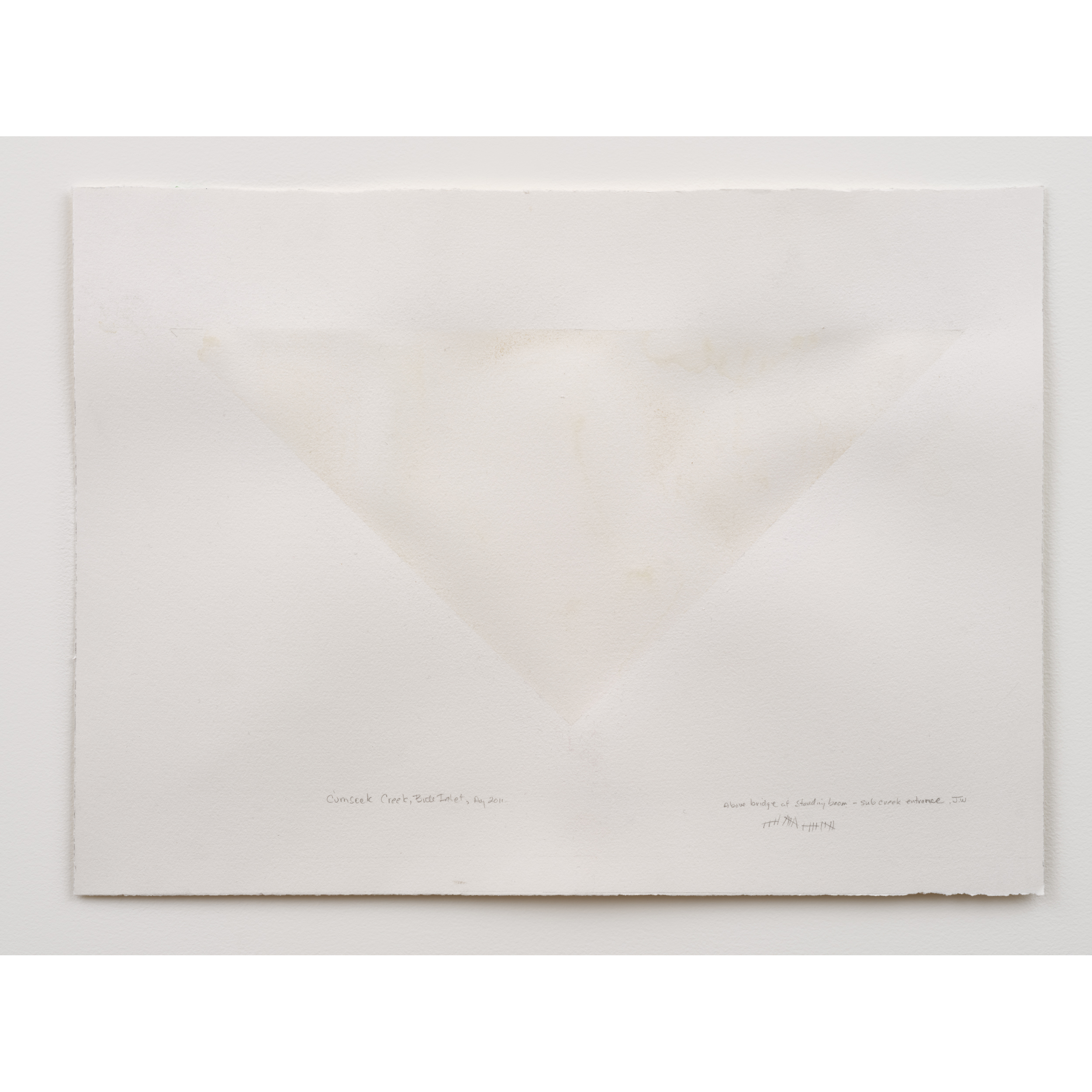
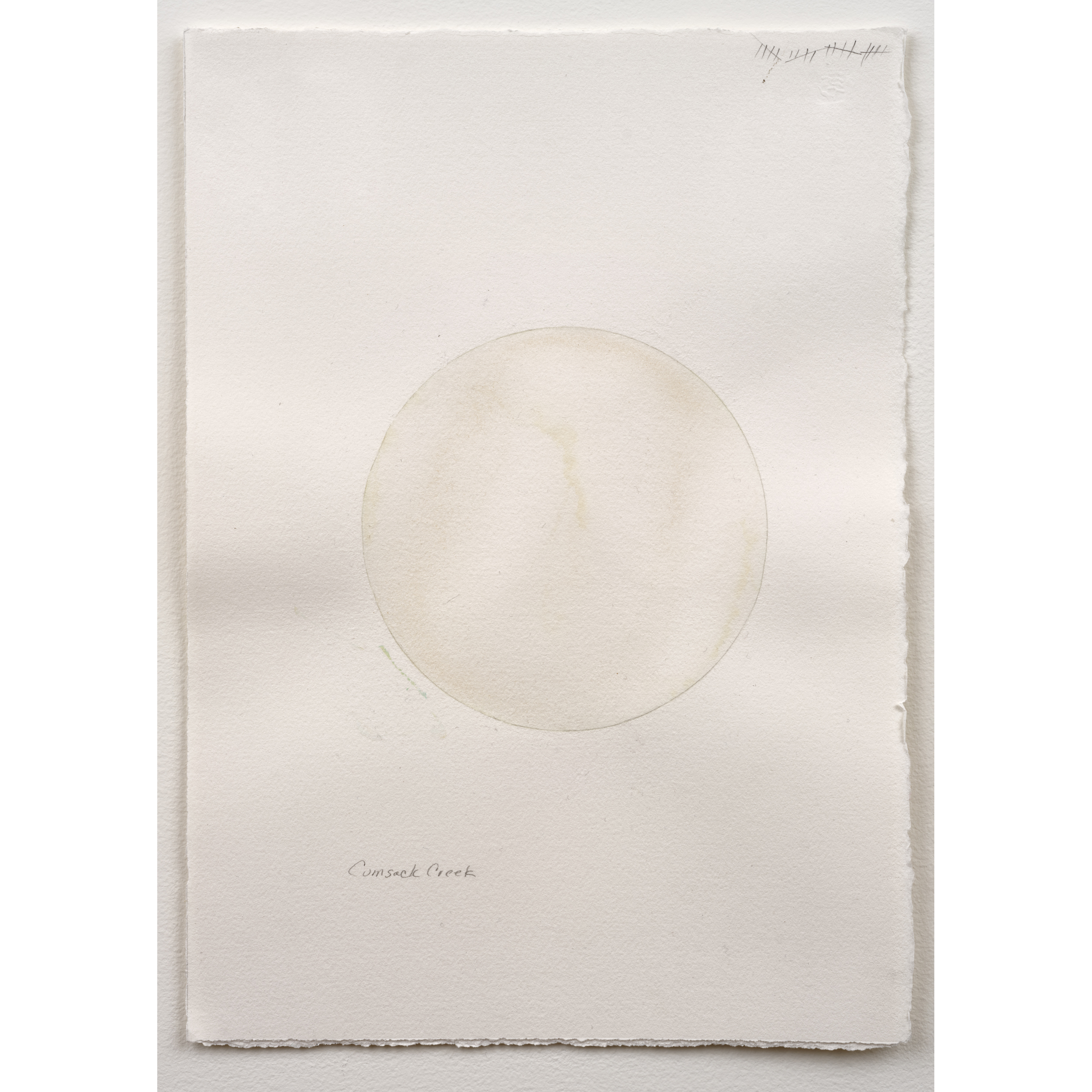
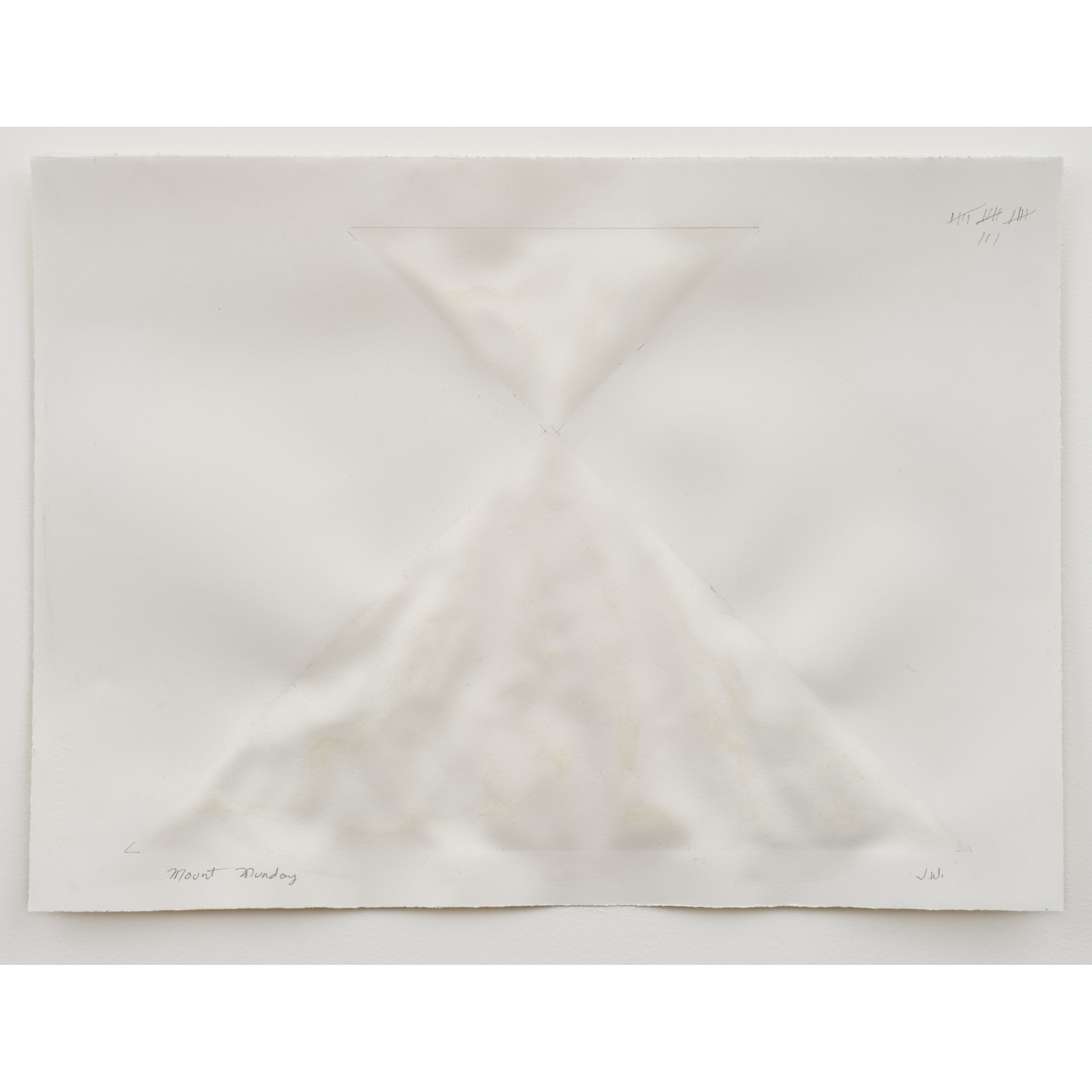
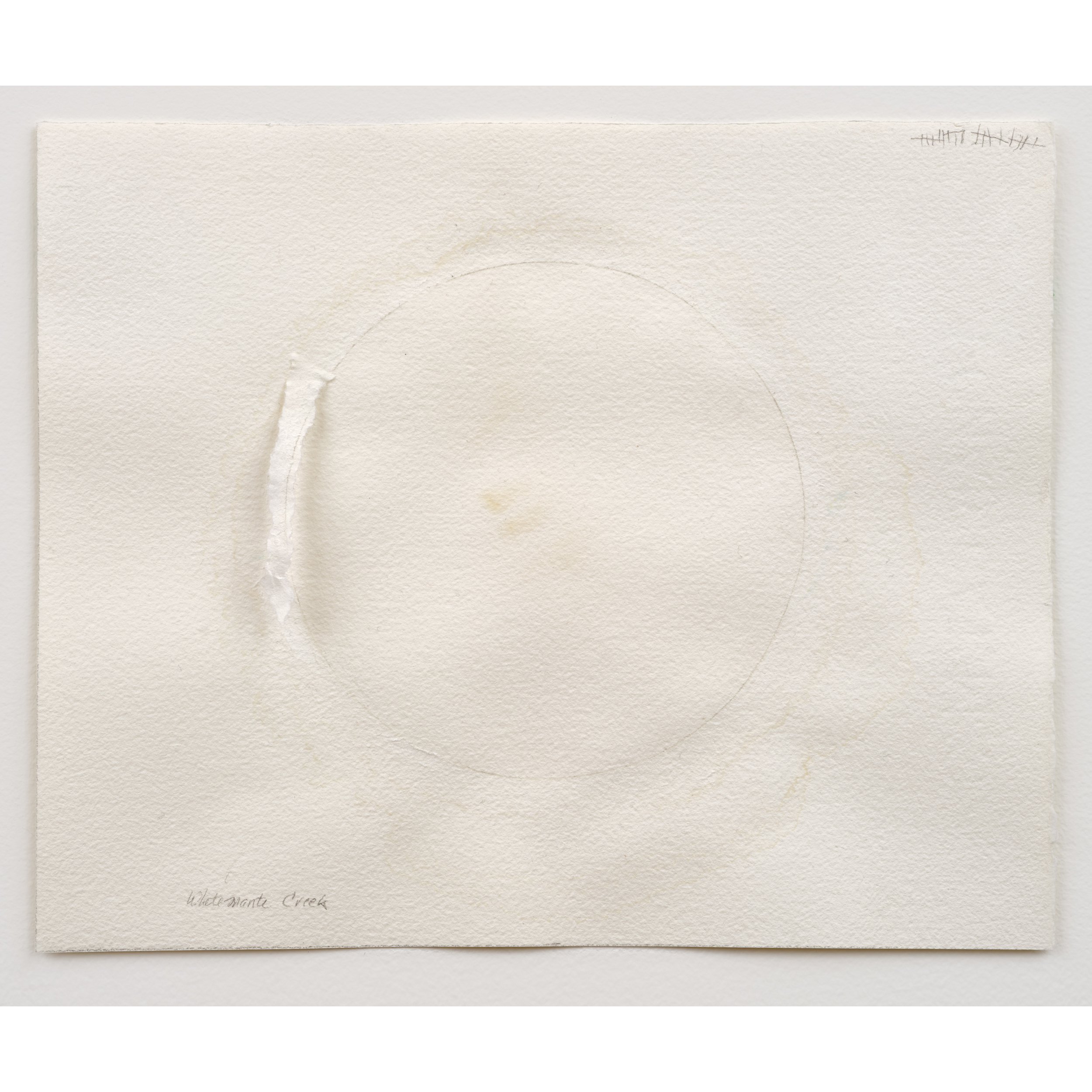
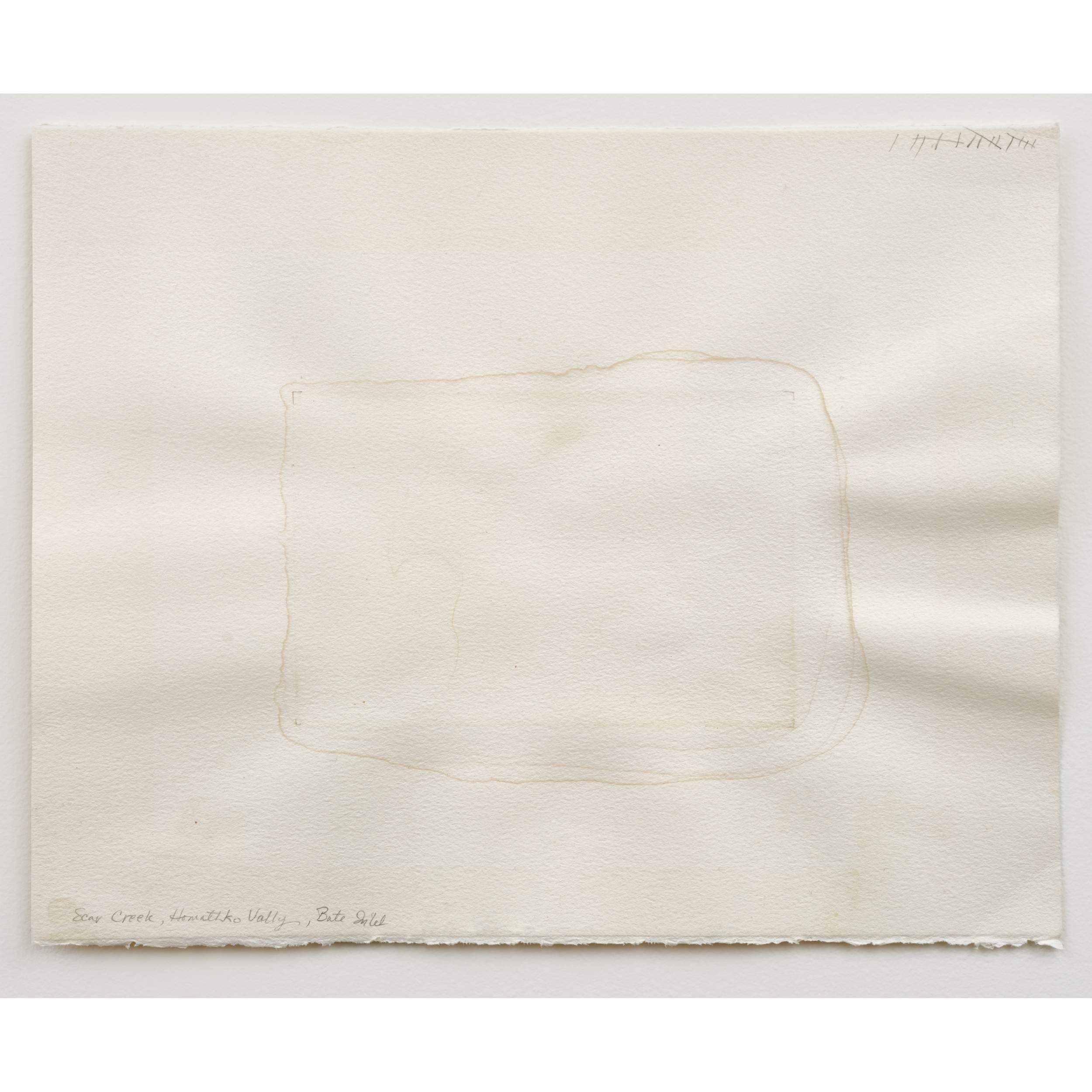
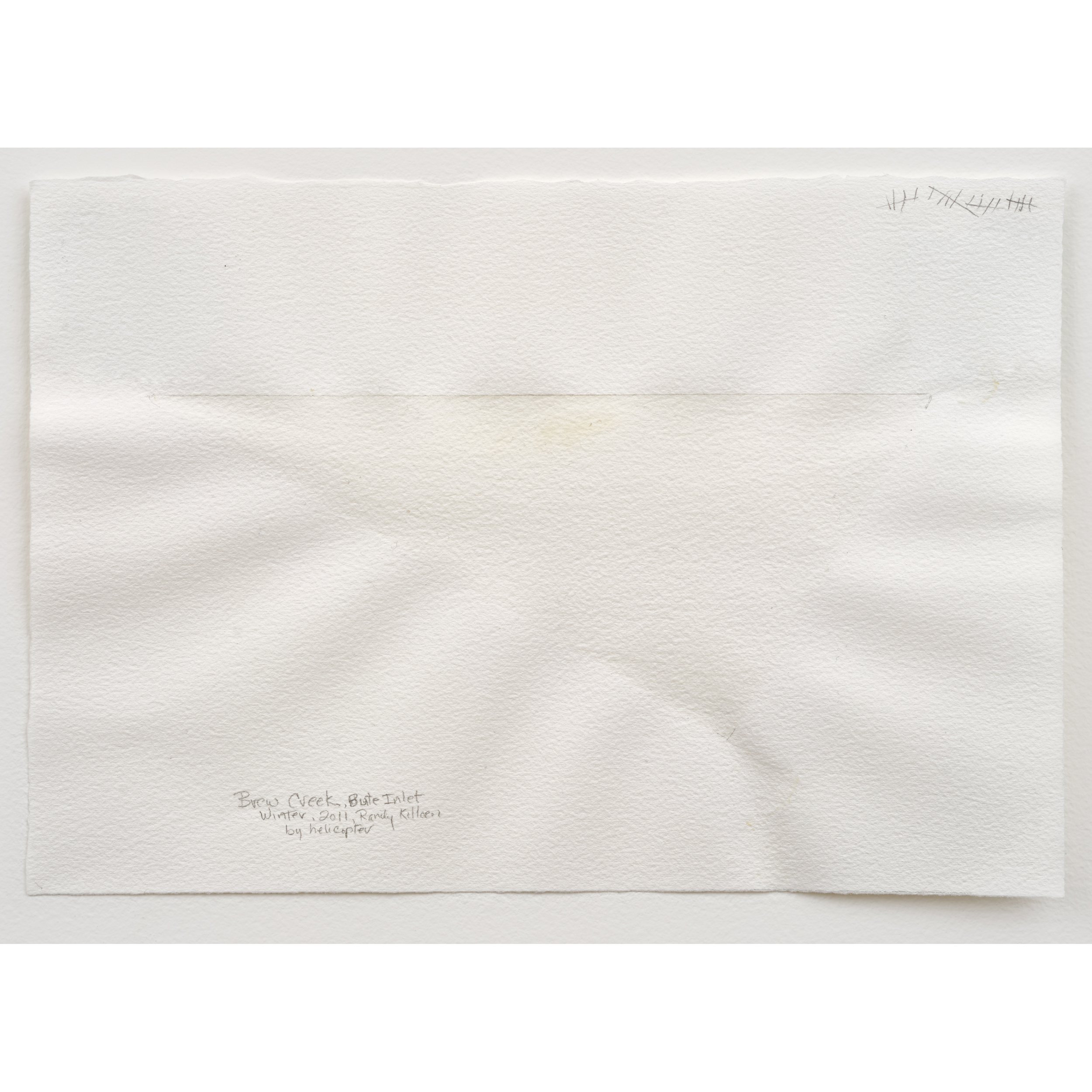
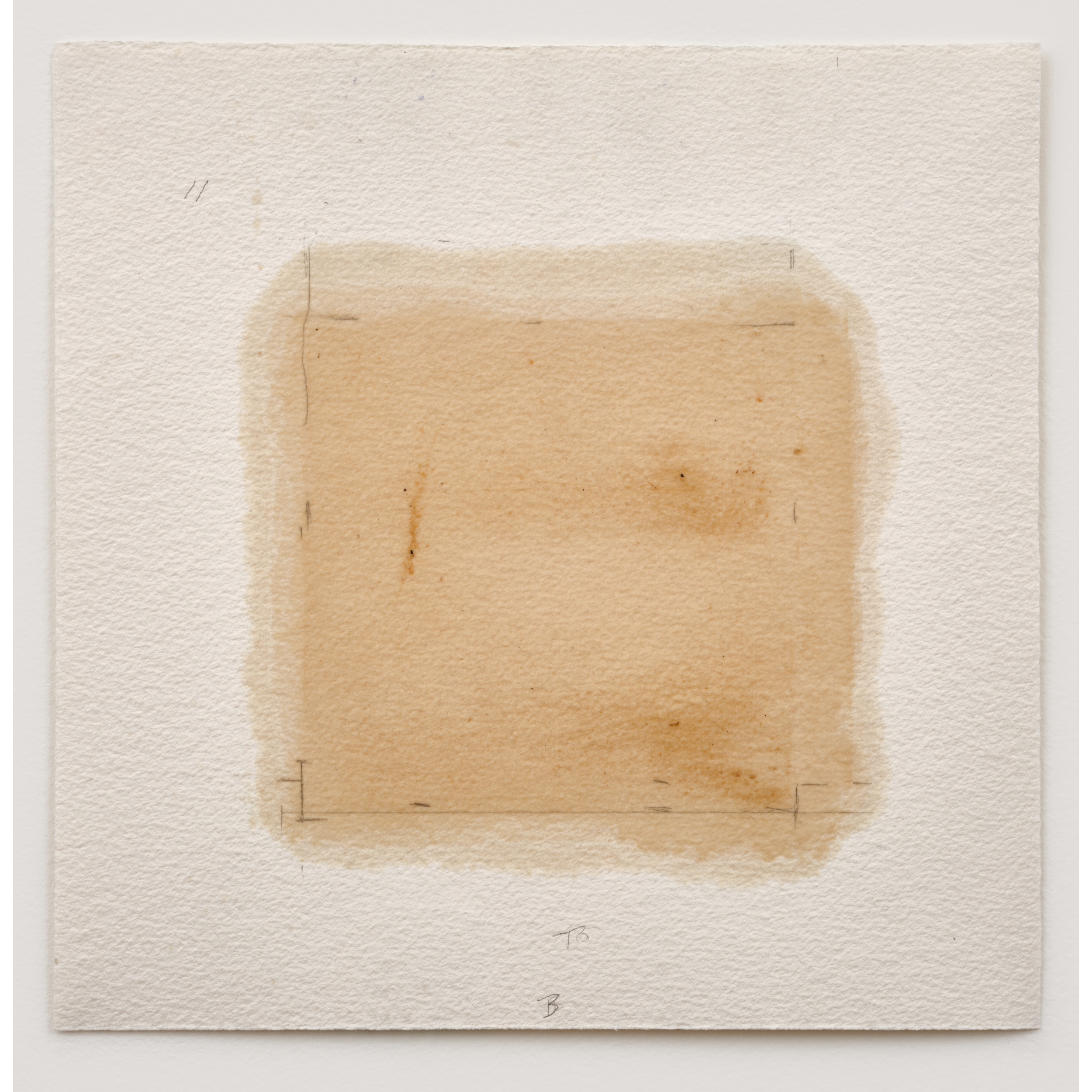
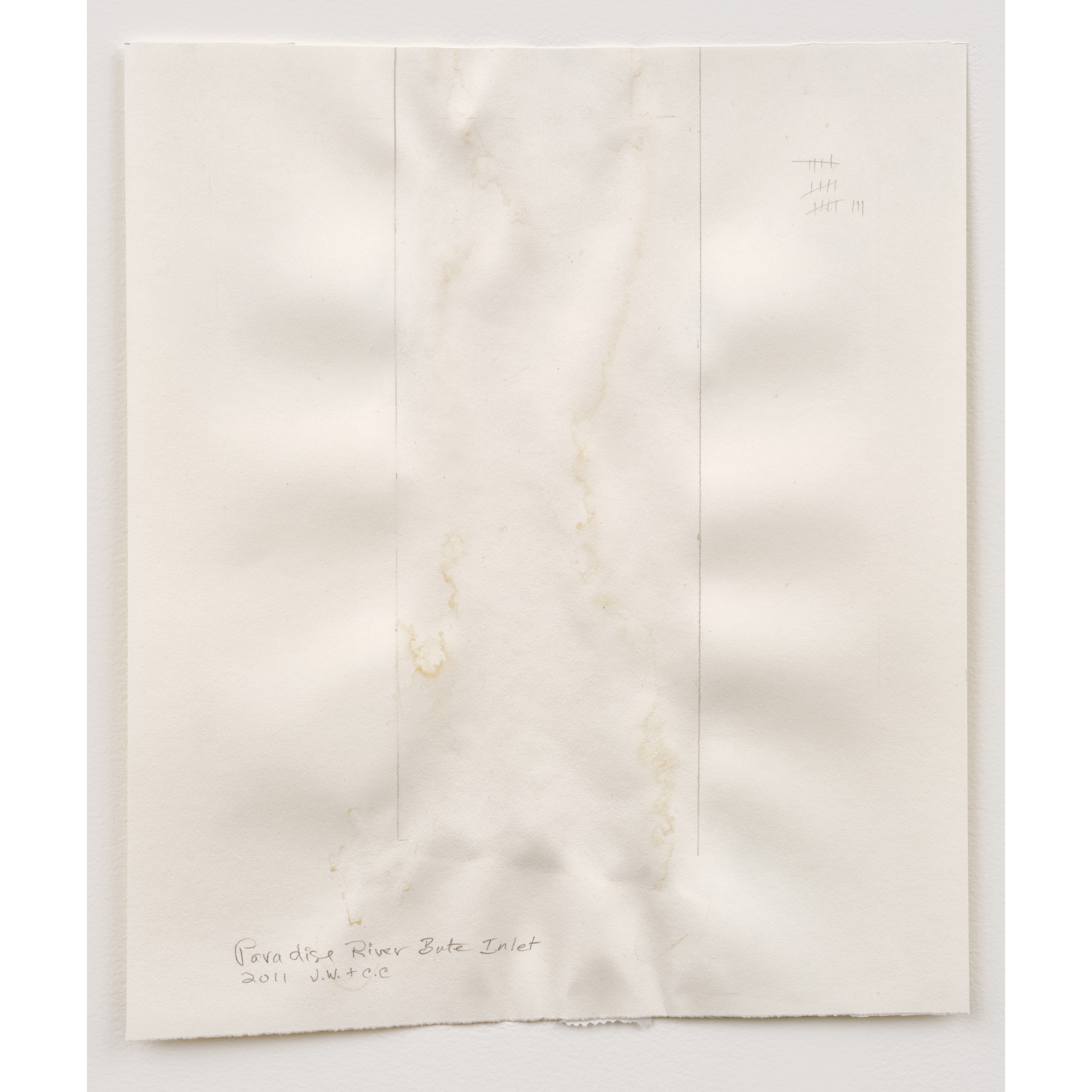
Judith Williams’ WATER / COLOUR features a sequence of paintings made solely with water collected from twenty-nine creeks and rivers up Bute Inlet, on the Pacific Coast of B.C., in ʔop qaymɩxʷ (Homalco) territory. Williams began the project in 2010 in response to corporate applications for seventeen run-of-river hydro projects in the Bute, as well as seven proposals to collect, bottle and export its fresh water. She collaborated with fishing guides, Homalco band members, loggers, mariners and mountaineers to collect the water.
The paintings express the fluidity of the element and the residue of aquatic geology, biology and botany that flows through it. Each image suspends phenomena that are usually in perpetual motion. The installation maps the geographical proximity of the waterways in the inlet, from south to north. Water is not segregated in this territory, and so Williams’ samples, marks and sequencing also conjure the symbiosis of the ecosystem.
Judith Margaret Williams is a visual artist and author living on Cortes Island, B.C., Canada. She was an Assistant Professor in the Department of Art History, Visual Art and Theory at the University of British Columbia from 1979 to 2001. Her visual art has been exhibited at the Berkeley Art Museum and Pacific Film Archive, CA; Walker Art Centre, Minneapolis MN; Cranbrook Art Museum, Detroit MI; Vancouver Art Gallery, B.C.; UBC’s Museum of Anthropology, B.C.; The Morris and Helen Belkin Art Gallery, B.C.; Surrey Art Gallery, B.C.; and the Richmond Art Gallery, B.C., amongst others. She is the author of five books published with Harbour Publishing and New Star Books, that are listed above. She has also made numerous artist books and pamphlets to accompany her projects and exhibitions, including Naming and Claiming: the Creation of Bute Inlet (2011), Salmon Stock (2003) and High Slack (1994).Her work is featured in the public collections of the B.C. Cultural Services Branch, The Morris and Helen Belkin Art Gallery, Canada Council Art Bank, Carleton University, UBC Graduate Student Collection, The Vancouver Art Gallery and the Vancouver City Public Collection.
WATER / COLOUR was made on the territories of the toq qaymɩxʷ (Klahoose), ɬəʔamɛn qaymɩxʷ (Tla’amin) and ʔop qaymɩxʷ (Homalco) nations. The project is indebted to the collaboration of Homalco Chief Darren Blaney; mountaineers John Scott, Laurie and Rob Wood; Gizelle Uzell, Randy Kelloran, Chuck and Sheron Burchill of Homathko Camp; Iris and Volker Steigemann; boating companions Cathy and John Campbell, Isabelle Desmarais, Bobo Fraser, Mark Gomes, Susan Schell and Bryan Thompson. Pale Fire would like to thank Liz Magor, Anne Low and Josh Duncan for generously supporting this iteration of the exhibition. The project was previously exhibited at the Tidal Art Centre (2022), Lund, B.C., the Old School House Gallery (2022), Cortes Island, B.C., and the Old School House Arts Centre (2024), Qualicum Beach, B.C.
Nocturne
Shayne Weston Abbott-Arcan, Mahsa Farzi, Marcel Lessard, Evan McGraw, Ronan Stewart & Sean Jena Taal
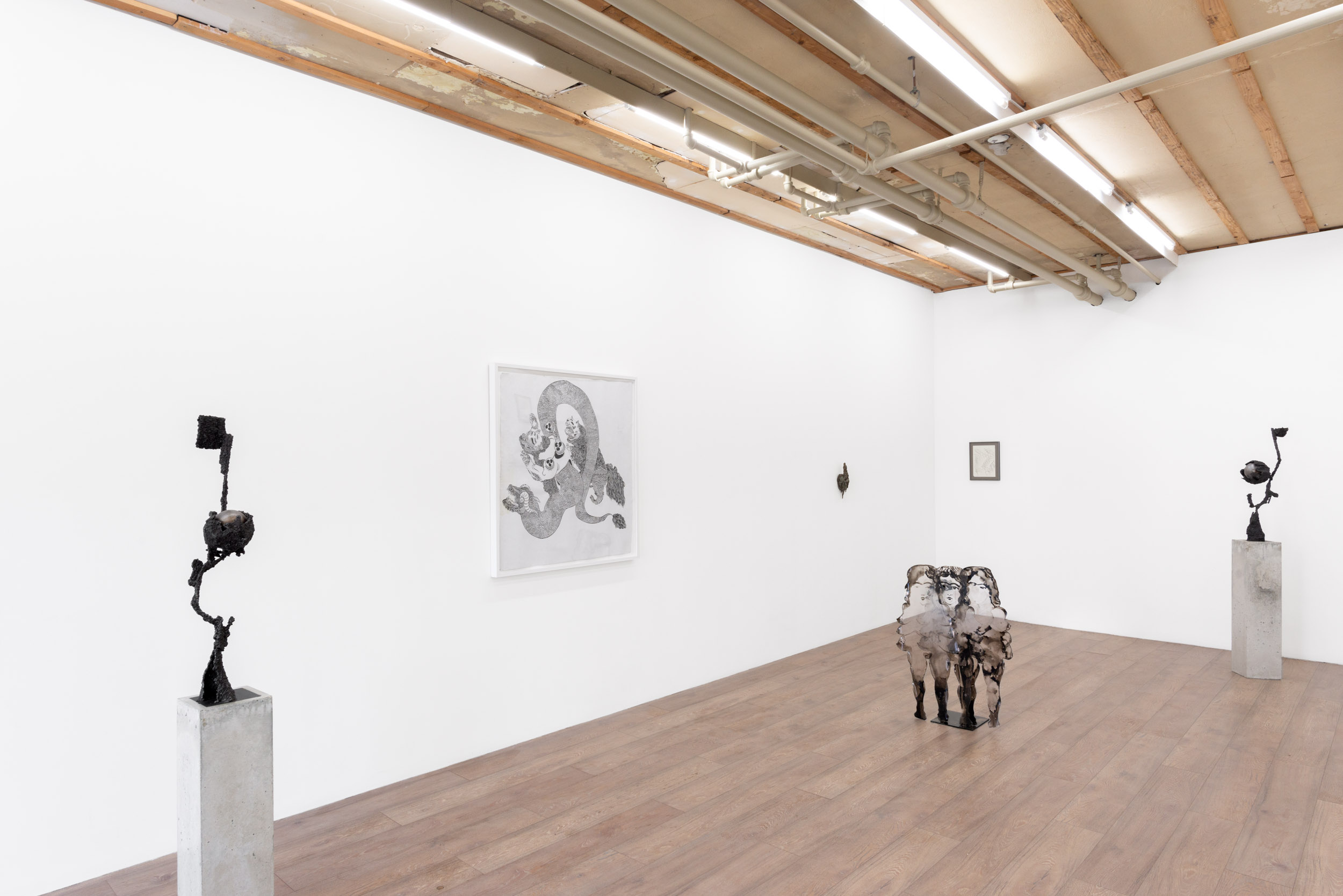
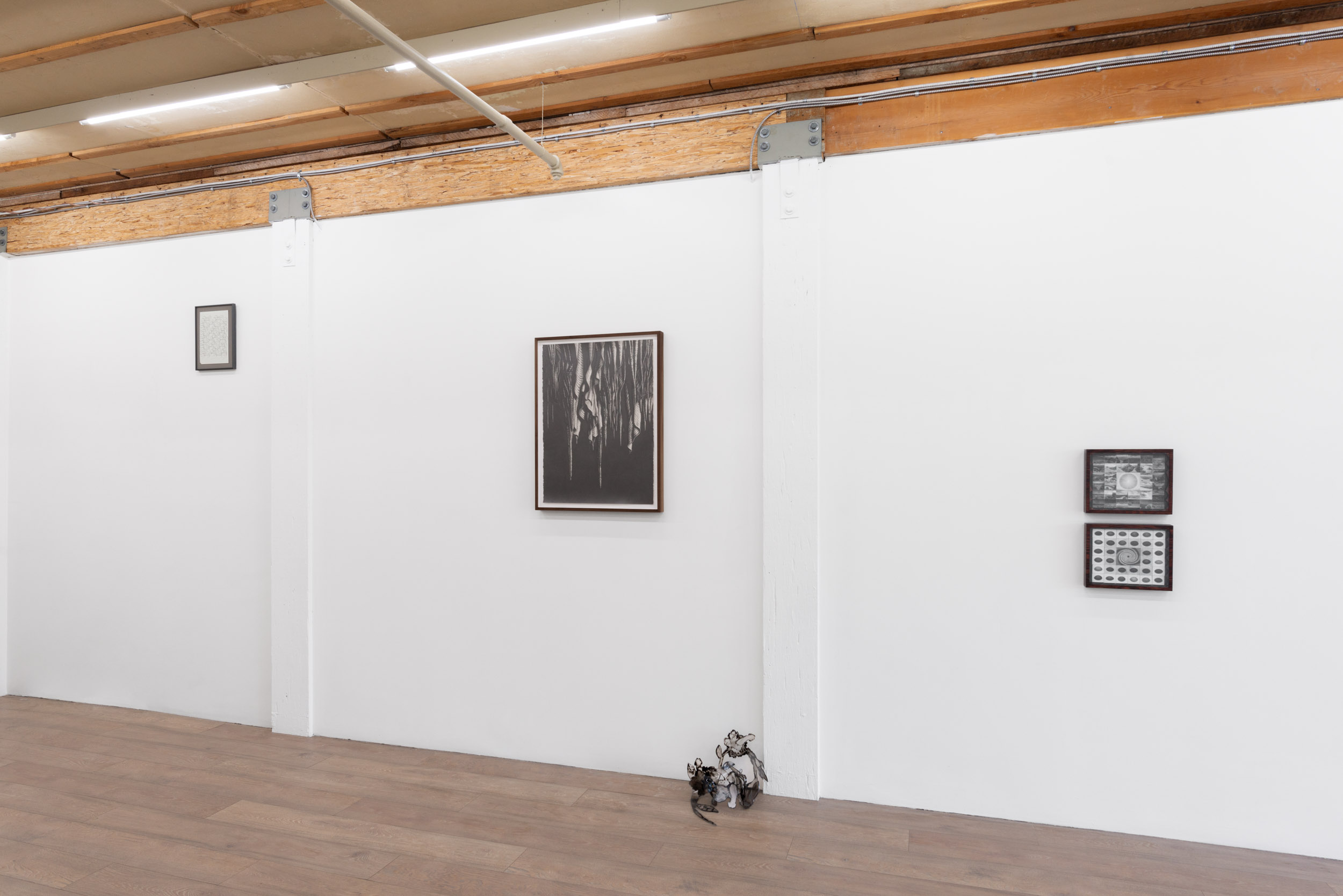
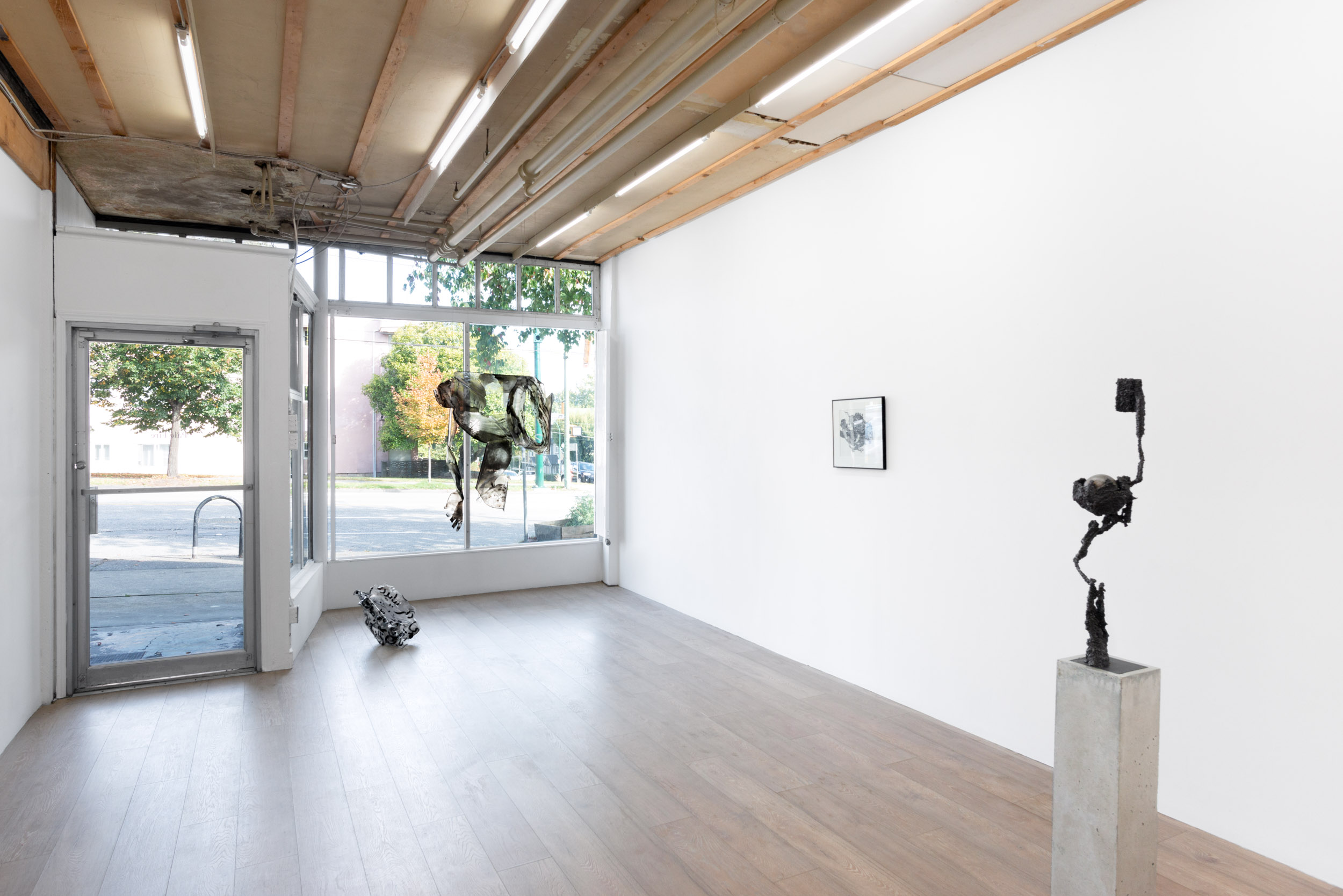
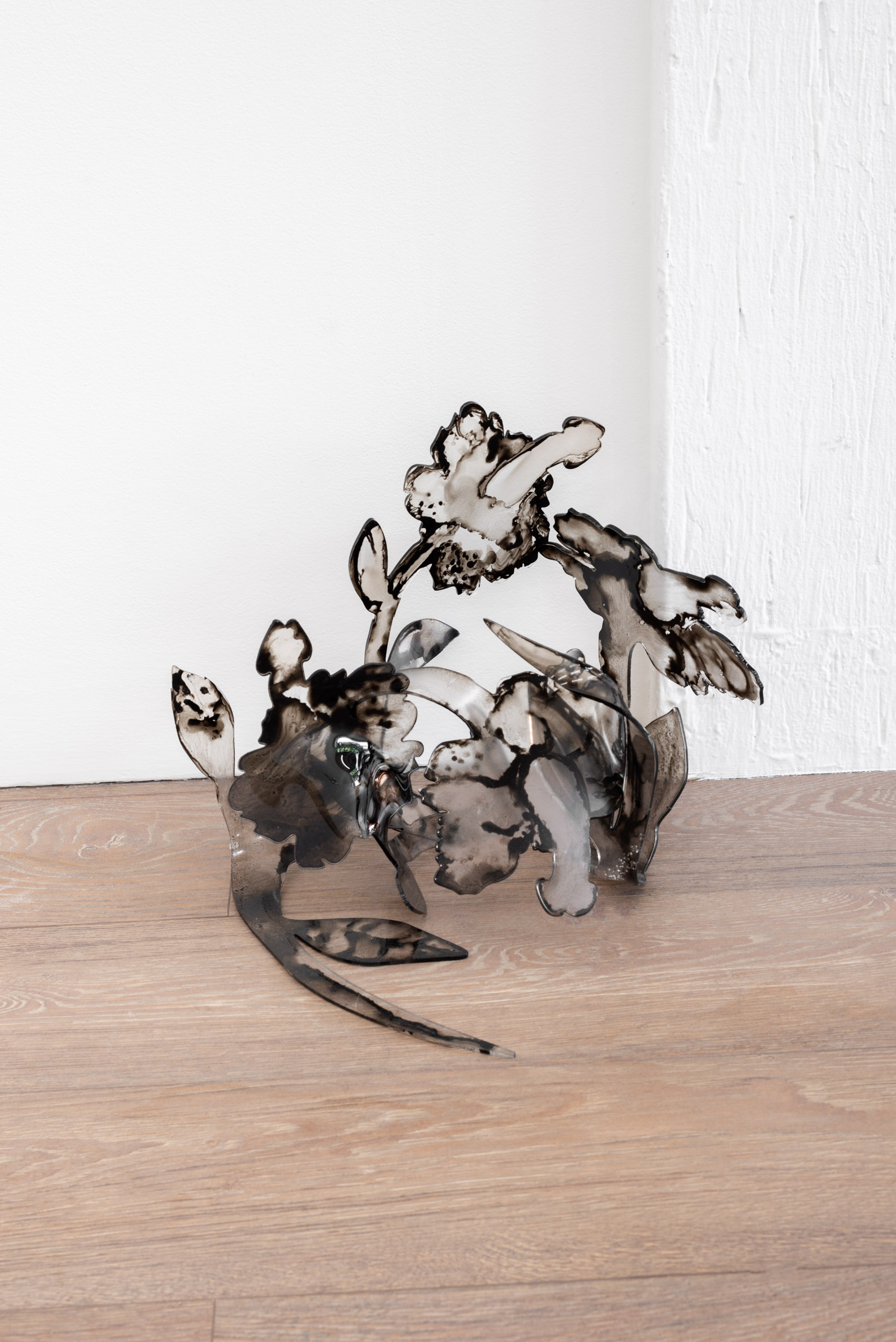
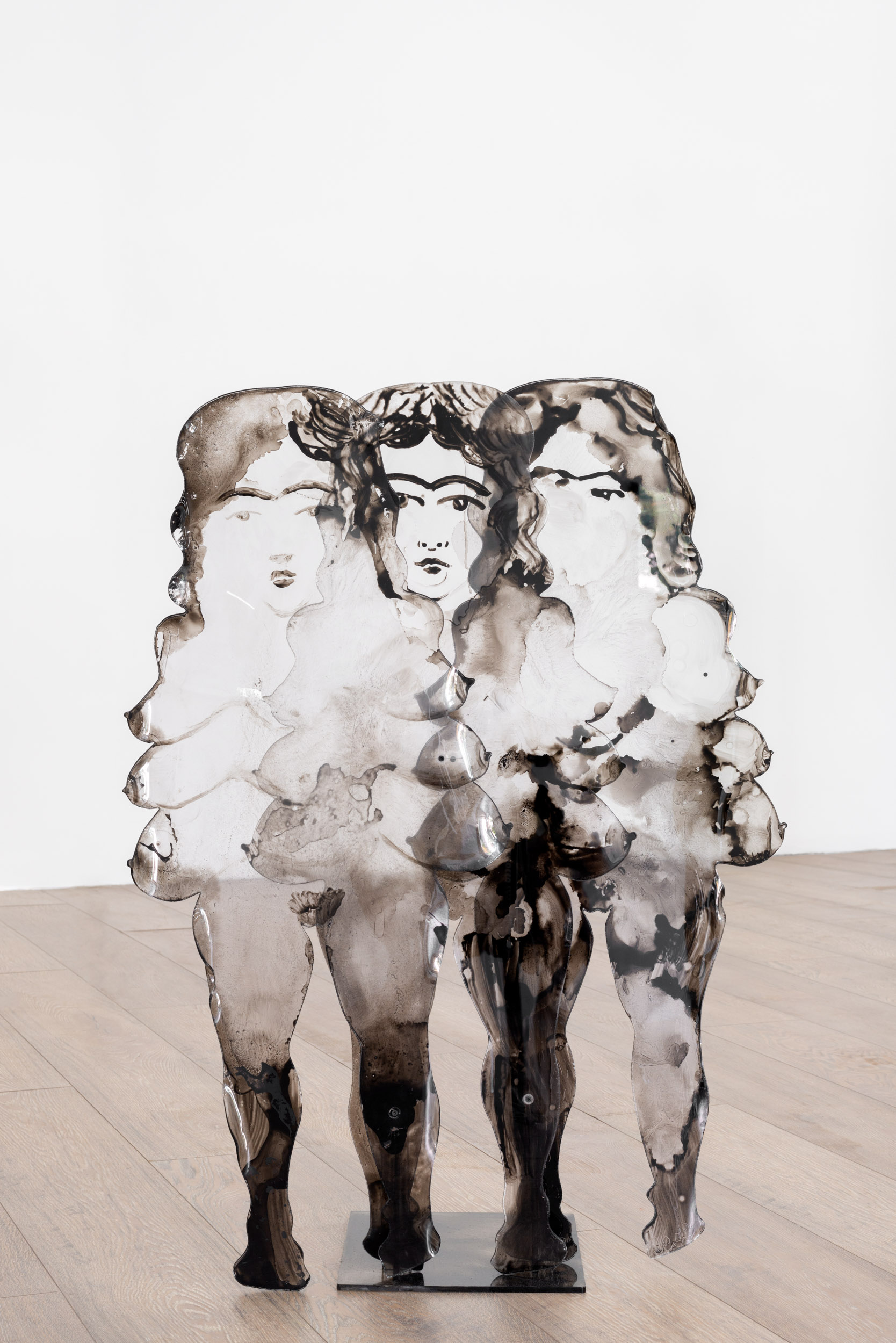
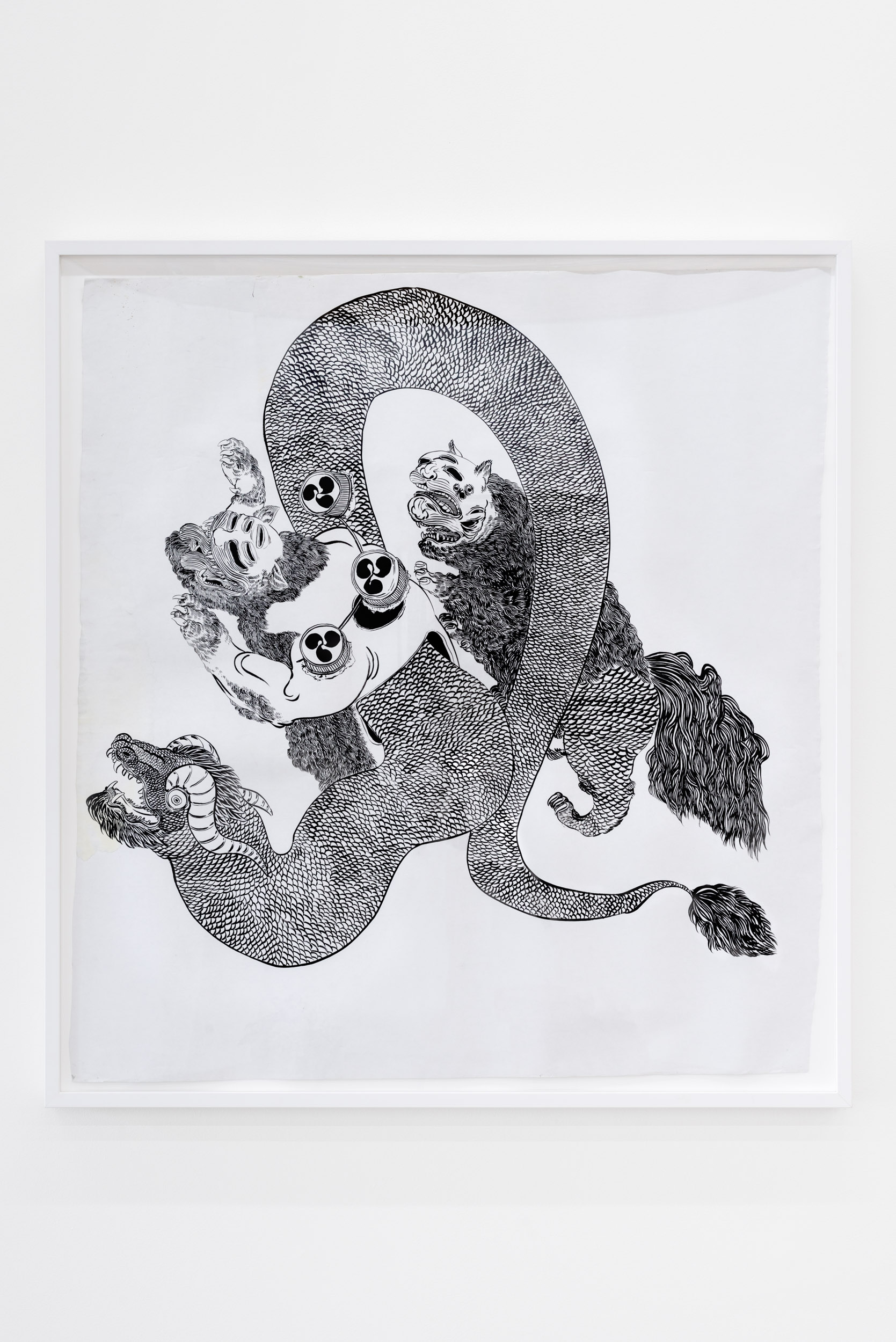
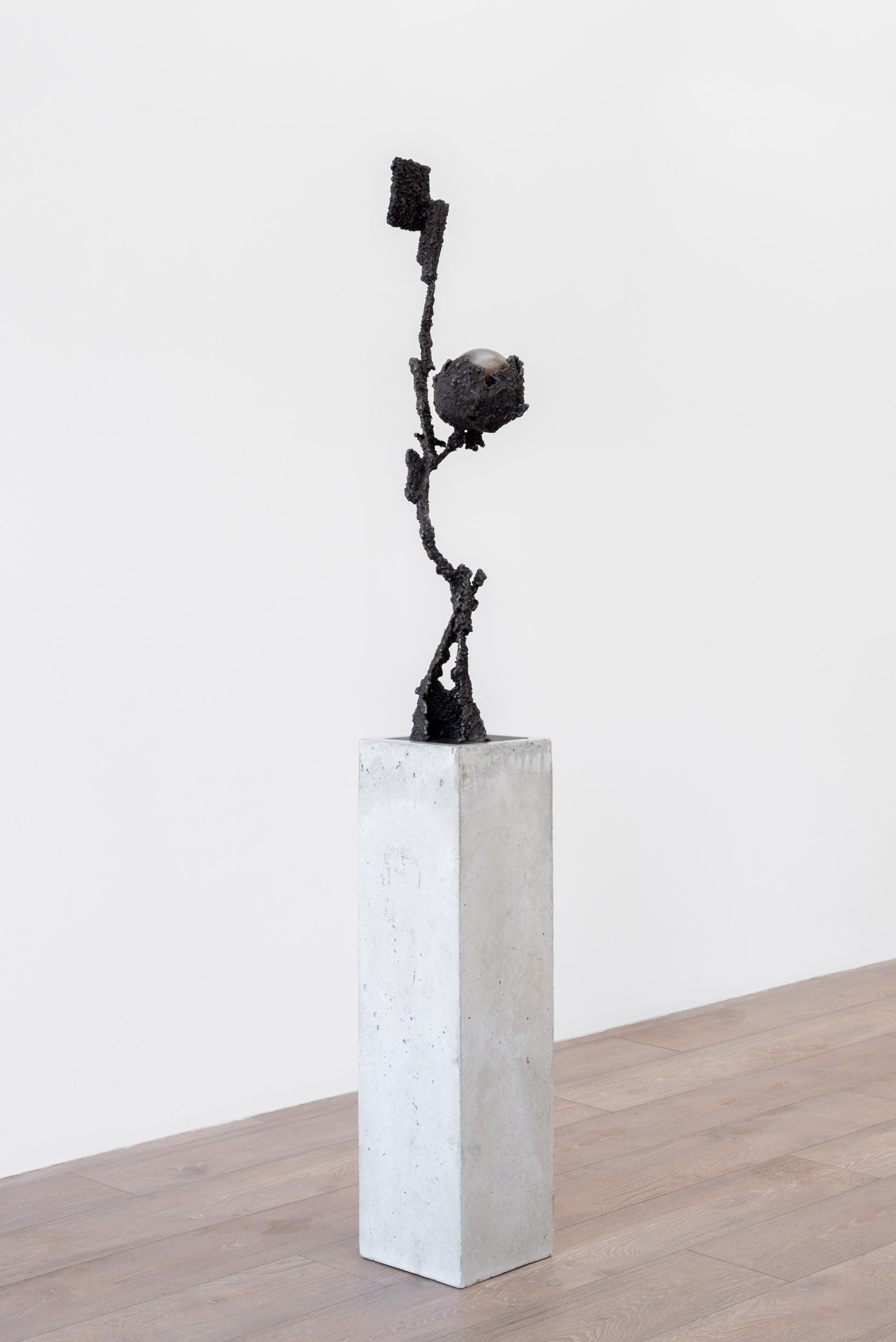
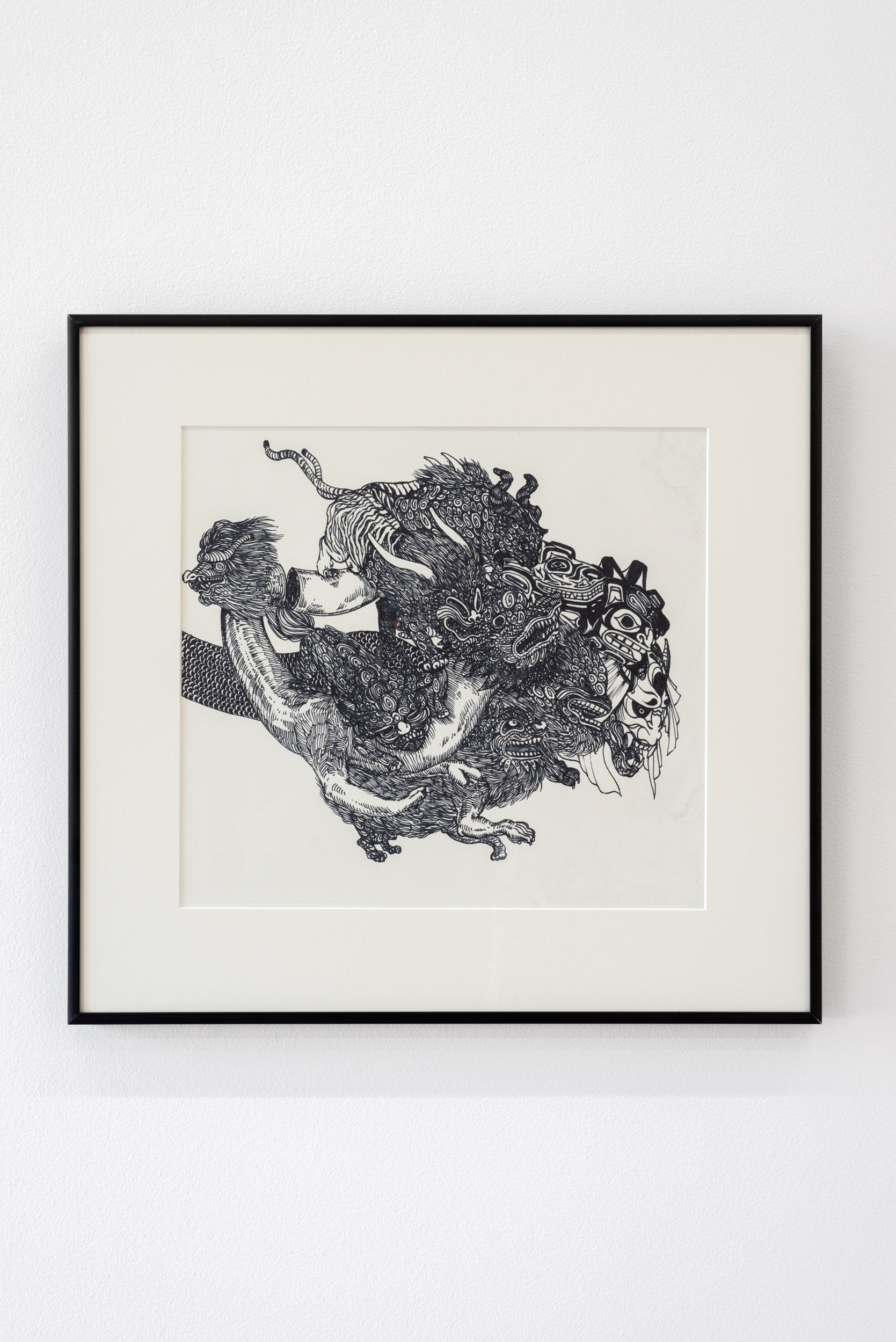
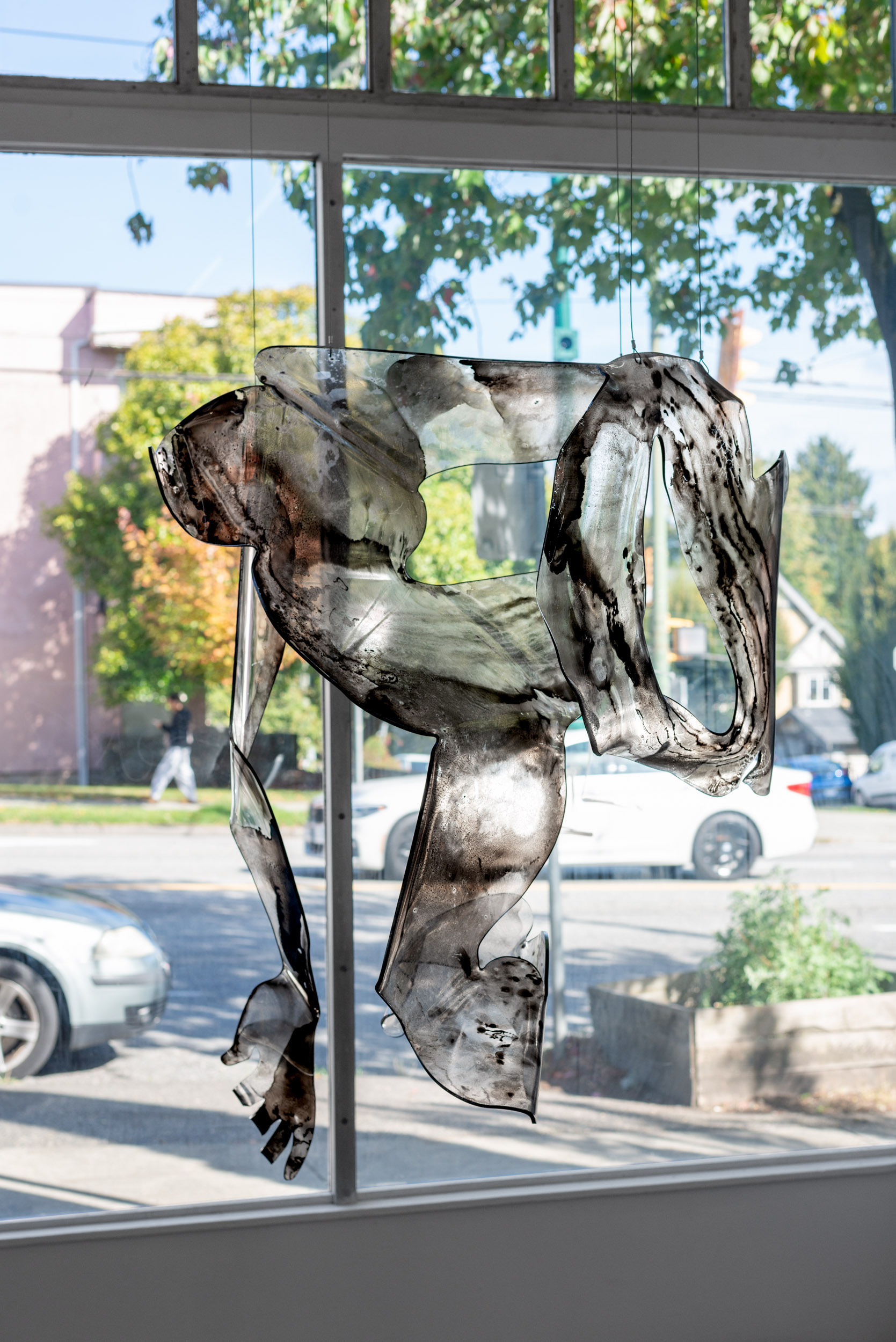
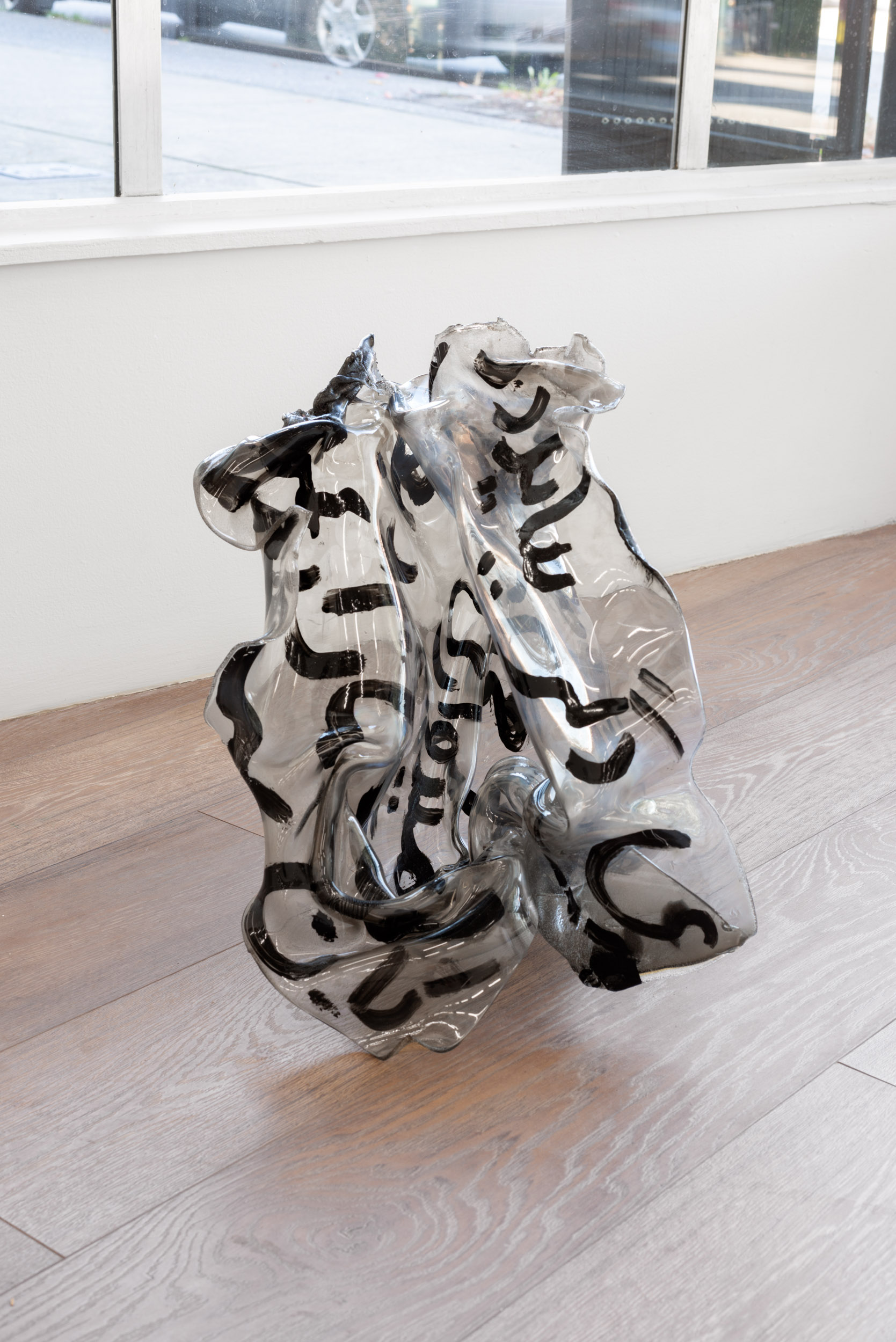
The nights are getting longer. Quickly. Following the autumn equinox, the moon feels more productive than the sun, offering matter an opportunity to rest, decompose and regenerate in the cool, damp darkness. The song of the season is slow and quiet, with a whisper of melancholy and eros. Opening in the season’s waning light, Nocturne presents work that harnesses this energy. In the artists’ practices, decay is a fertile process.
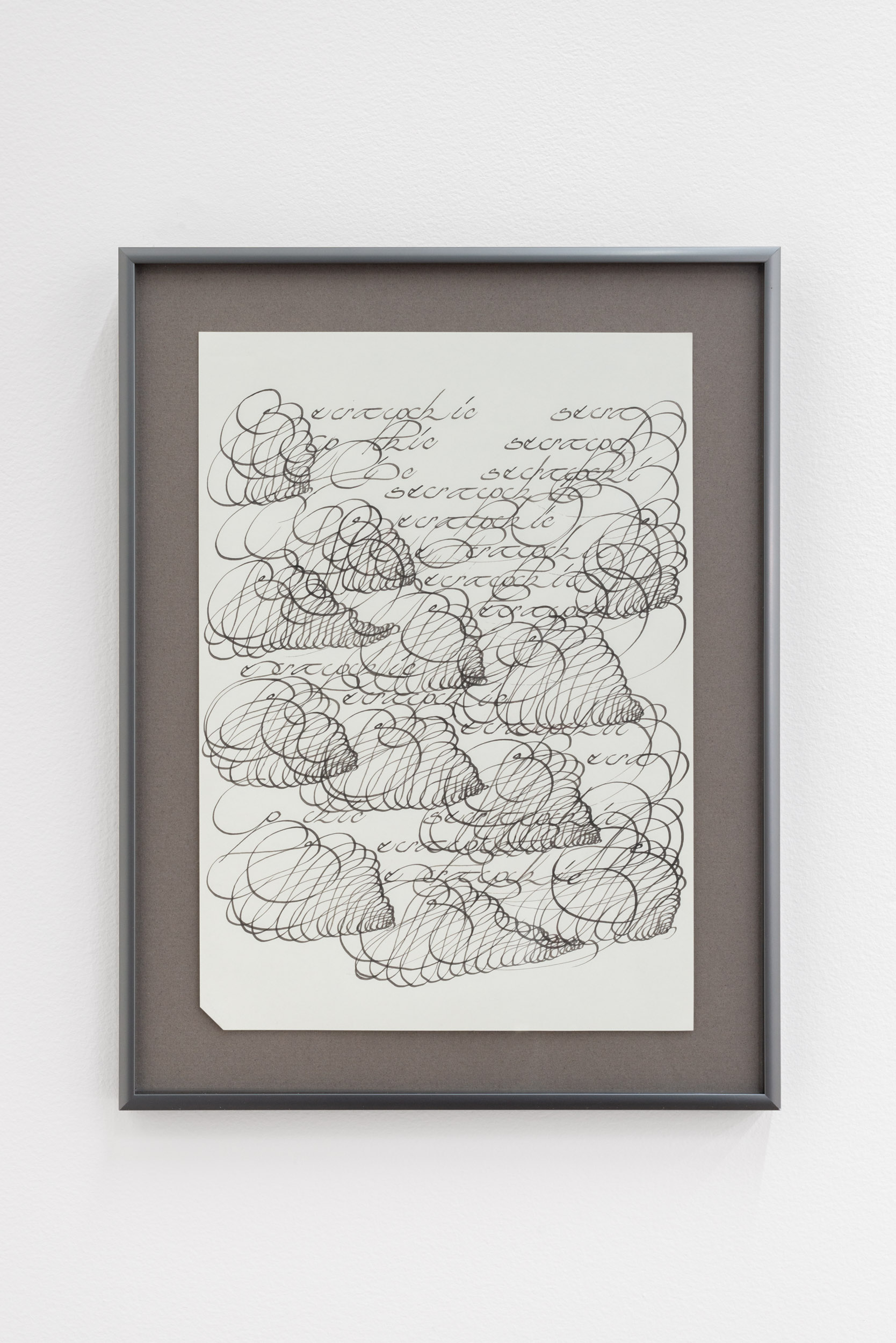
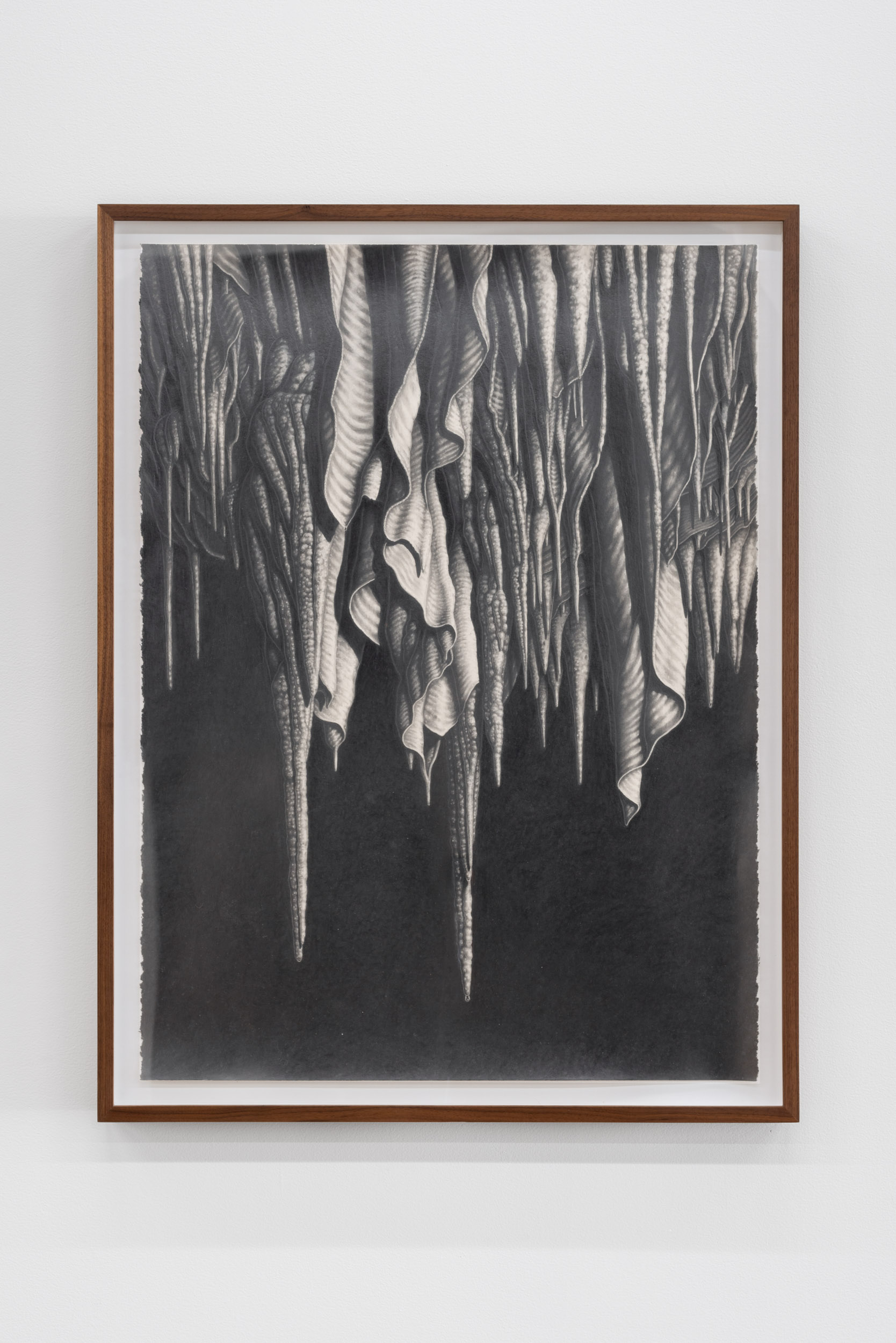
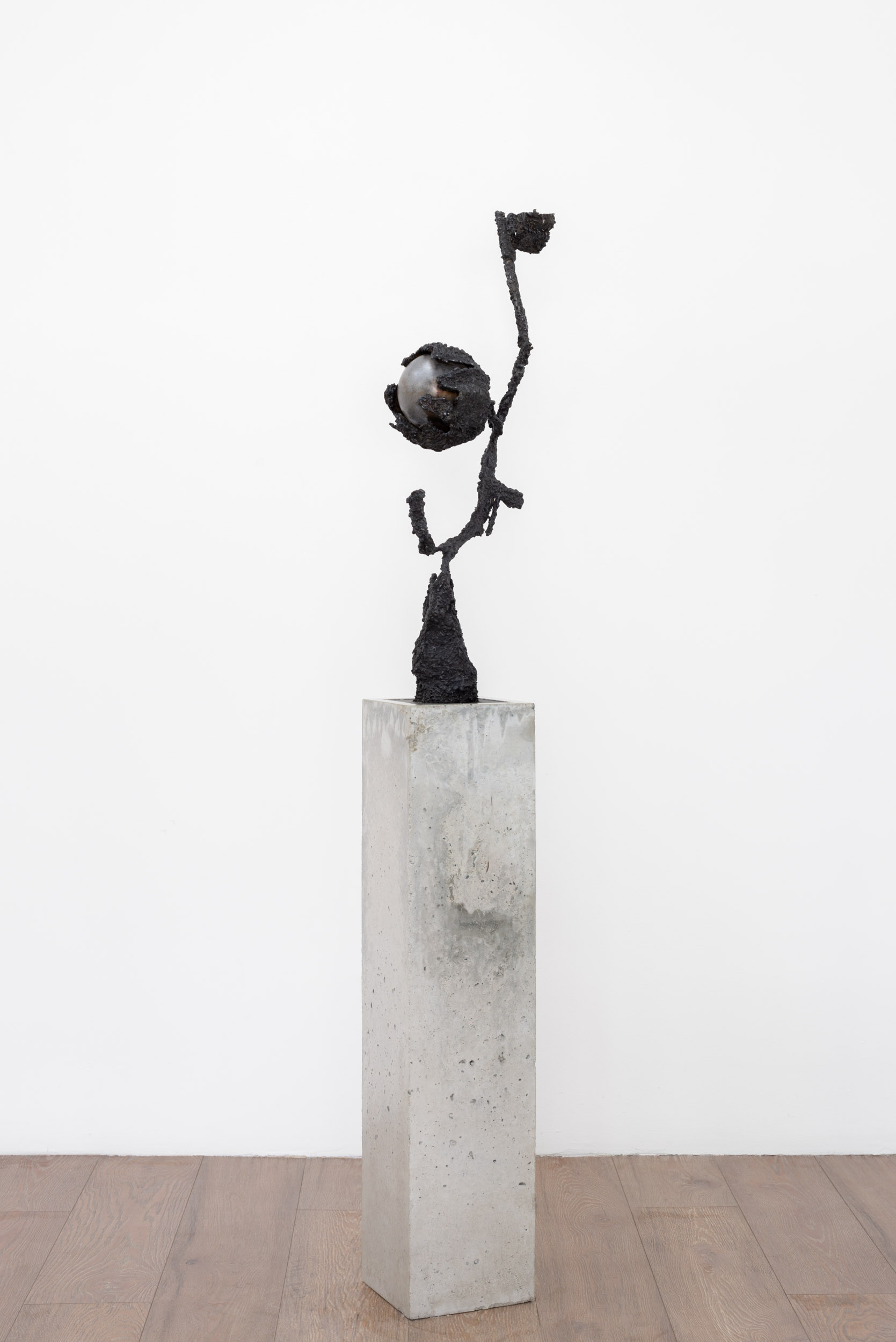
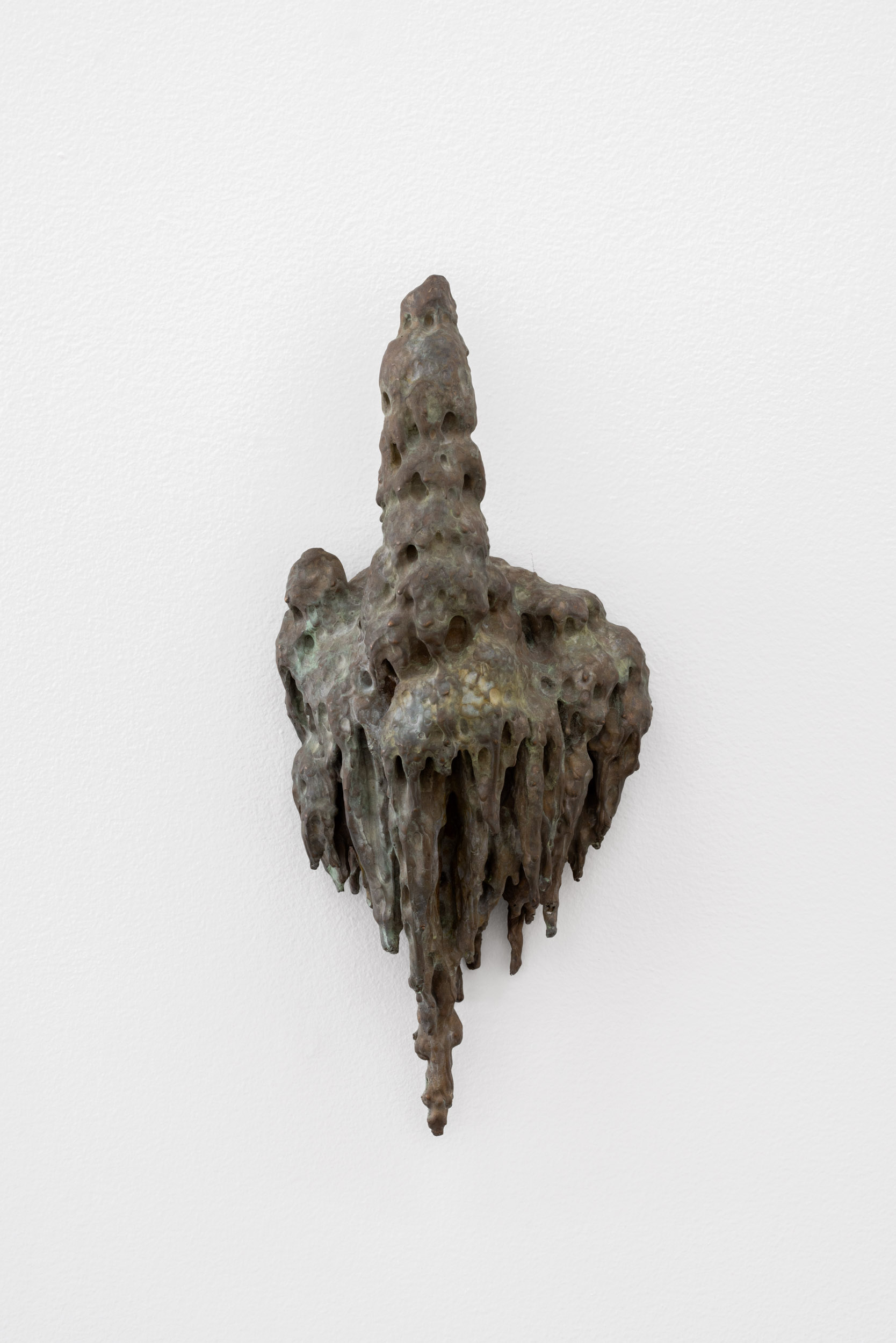
In his drawing and sculpture works, Sean Jena Taal engages with processes of slow accumulation. He made Drapery (2025) by building up layers of graphite to create dense metallic shadows, and Bridal Veil (2023) by slowly pouring then redacting a wax mould to cast in bronze. These gestures mimic the growth of calcite formations in caves, which require the convergence of specific geological and weather conditions over millennia. Caves have also been significant sites for the evolution of human perception, consciousness and culture. Both phenomena inform Taal’s inquiry into “psycho-karstology.”
BIOS
Mahsa Farzi (b. 1992, Tehran, Iran) works across painting, drawing and sculpture. She examines how censorship, migration and patriarchy fracture continuity, giving rise to a language of disruption in which humour is inseparable from survival. Within this language, grief and resilience are coexisting conditions that she explores through material processes. Farzi’s work has been shown at THIS Gallery in Vancouver, BC (2025); Morris and Helen Belkin Art Gallery in Vancouver, BC (2025); and A+ in Beirut, Lebanon (2018). She has been recognized with the Joan Wright Hassell Prize in Visual Arts (2024) and holds an MFA from the University of British Columbia, Vancouver (2025).
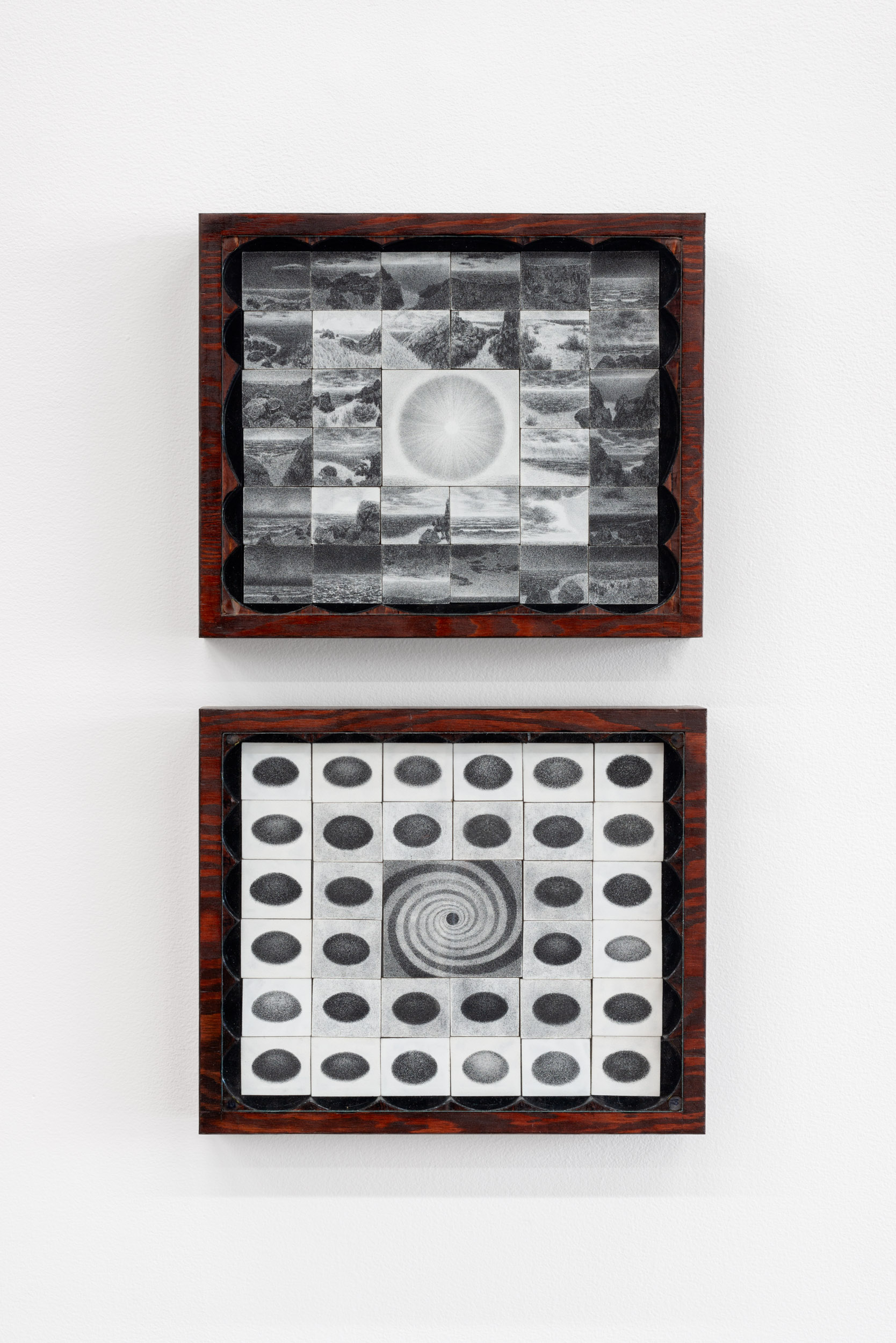
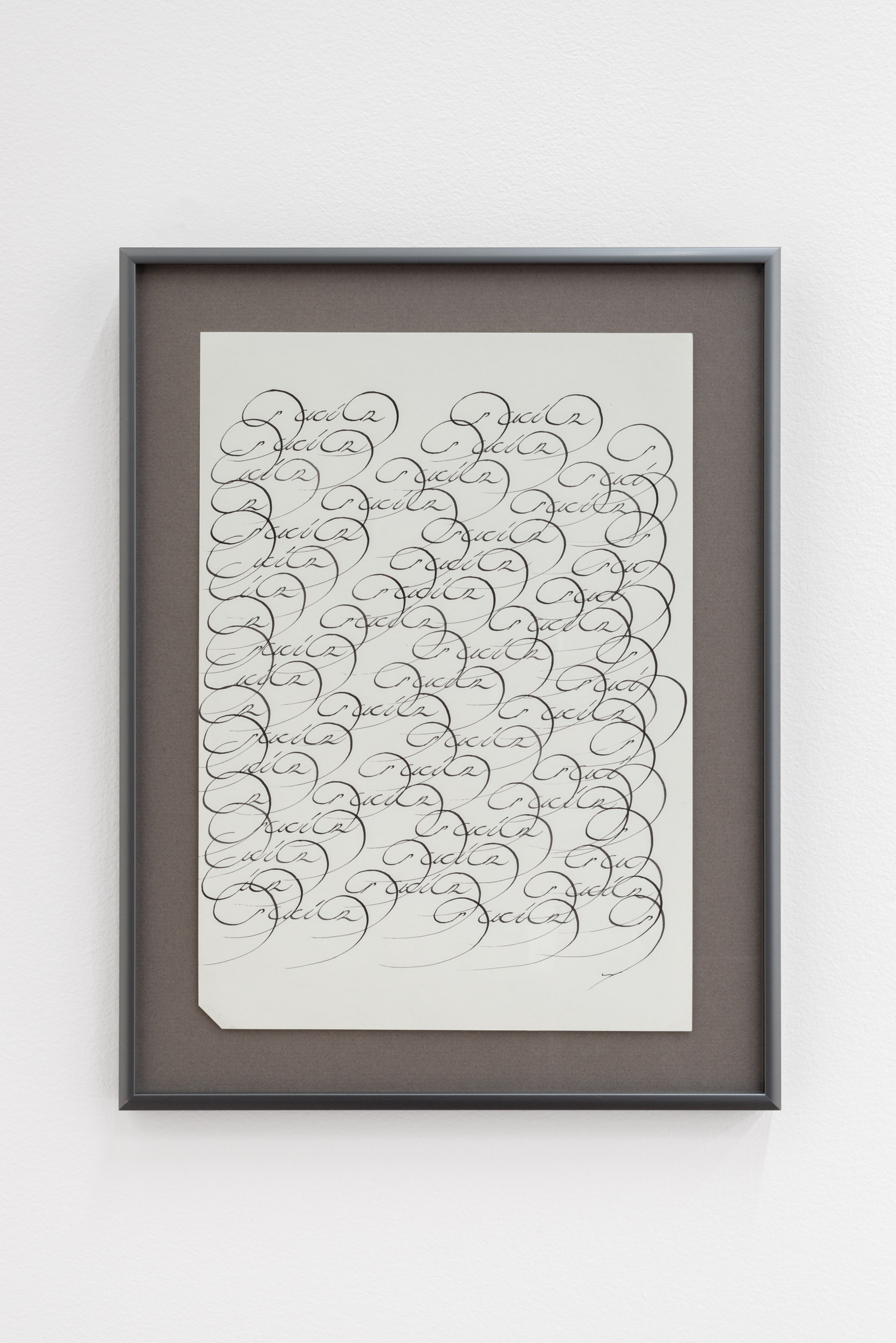
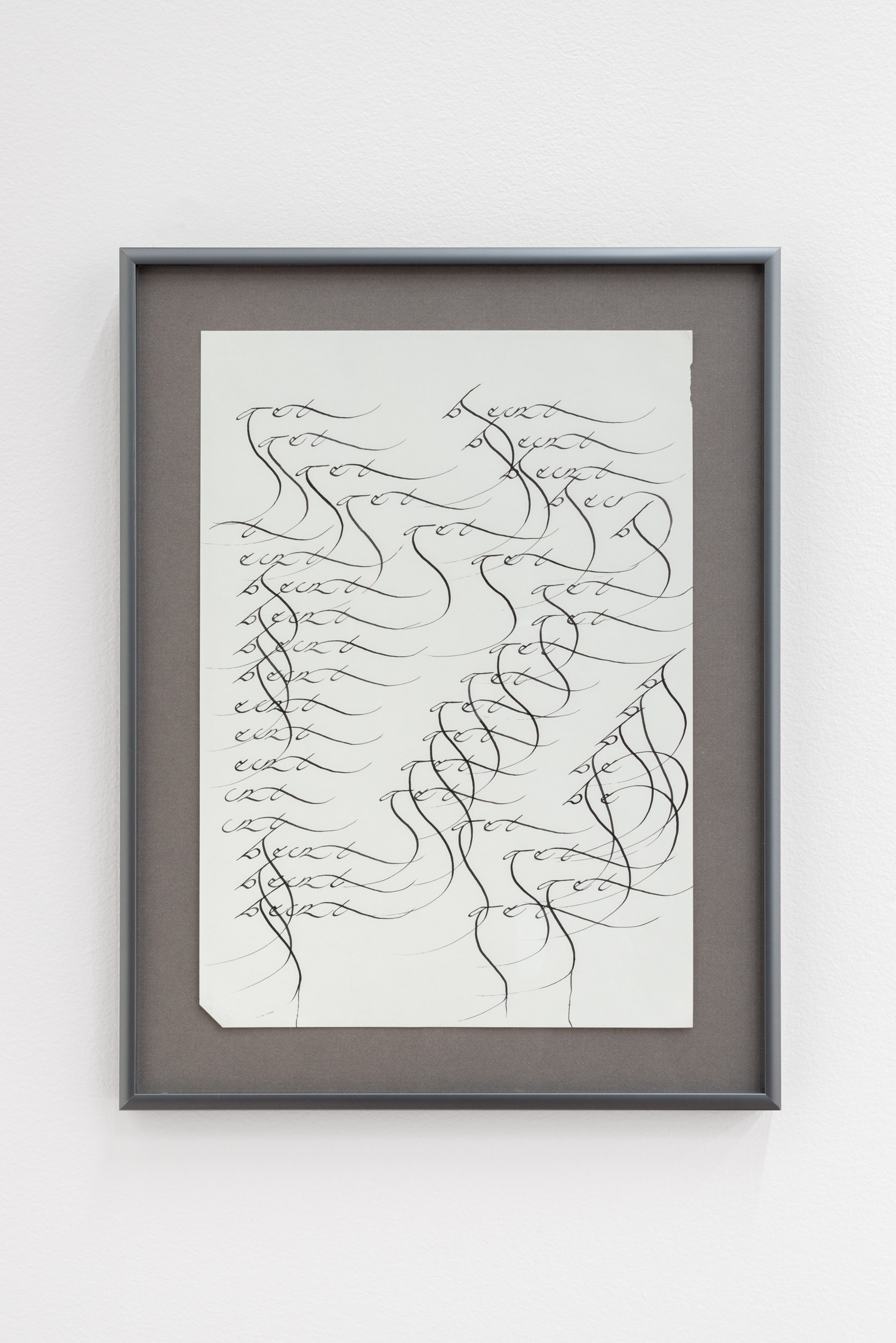
Marcel Lessard (b. 1992, Vancouver, Canada) is a visual artist who primarily uses graphite as a drawing tool. He is interested in images as pictograms and how repetition and structural arrangement affects perception and interpretation. Lessard achieved a BFA from Emily Carr University of Art + Design, Vancouver, BC (2024).
Evan McGraw (b. 1990, Sechelt, Canada) is a visual artist who has had exhibitions at High Art in Paris, France (2025); Turley Gallery in Hudson, NY (2024); BIKINI in Basel, Switzerland (2018); Dem Passwords in Los Angeles, CA (2016); and Paul Kasmin in New York City, NY (2015). He completed a BFA at Cooper Union, New York City, NY (2015).
Ronan Stewart (b. 1989, Burlington, Canada) is an Irish Canadian artist living and working in Toronto. His multidisciplinary practice explores themes of labour, material memory and domestic infrastructure through sculptural and visual installations. Recent exhibitions include Cavity of a Husk at Hunt Gallery (2025), Worker’s Pantry at Crutch CAC (2019) and Mother’s Foundry at Birch Contemporary (2018), all in Toronto, ON. He obtained a BFA from Sheridan College in Oakville, Ontario (2014).
Sean Jena Taal (b. 1991, Calgary, Canada) explores the geological and phenomenological conditions of caves. He is interested in what life forms grow and survive in these hostile spaces, and what kinds of sentience may be looking back at us from their depths. He has attended the Banff Artist in Residence program at the Banff Centre for Arts and Creativity, AB (2023); the Gil Artist Residency in Akureyri, Iceland (2022); and the Association of Independent Colleges of Art and Design’s New York Studio Residency Program (2012). Solo exhibitions include, Shadow of the Hollow at Norberg Hall, Calgary, AB (2024); Witch’s Fingers at SAAG, Lethbridge, AB (2023); and Milk Stone at the Art Gallery of NWT, Yellowknife, NWT (2022). He is represented by Norberg Hall, Calgary, AB.
Shayne Weston Abbott-Arcan (b. 2000, Vancouver, Canada; d. 2025, Galiano Island, Canada) was a visual artist whose work moved fluidly between the comical and the surreal, the angelic and the macabre. He created fantastical worlds and dreamlike spaces filled with hybrid beings. He had a gift for making visible the contradictions and internal dramas of being human. As a displaced Indigenous person growing up far from his ancestral Plains Cree territory and culture, Abbott-Arcan also grappled with the deep impacts of colonization. His art became a space where those tensions could live and shift, and where imagination became a form of resistance and healing. Abbott-Arcan passed away suddenly and unexpectantly in February 2025. Later that spring, he was awarded his BFA from Emily Carr University of Art + Design, Vancouver, BC.
Graham Landin: Tight Span
September 13–November 30, 2024
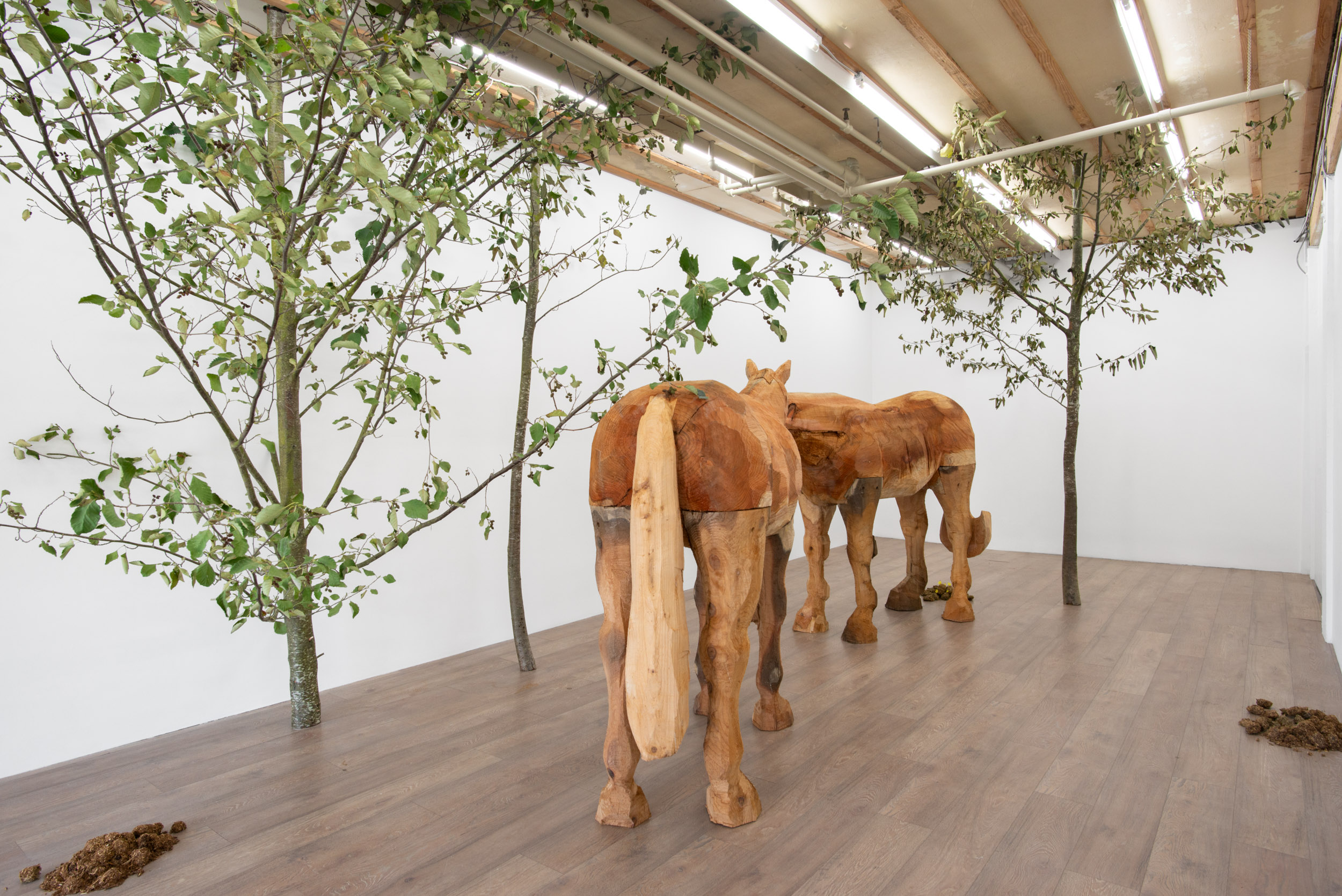
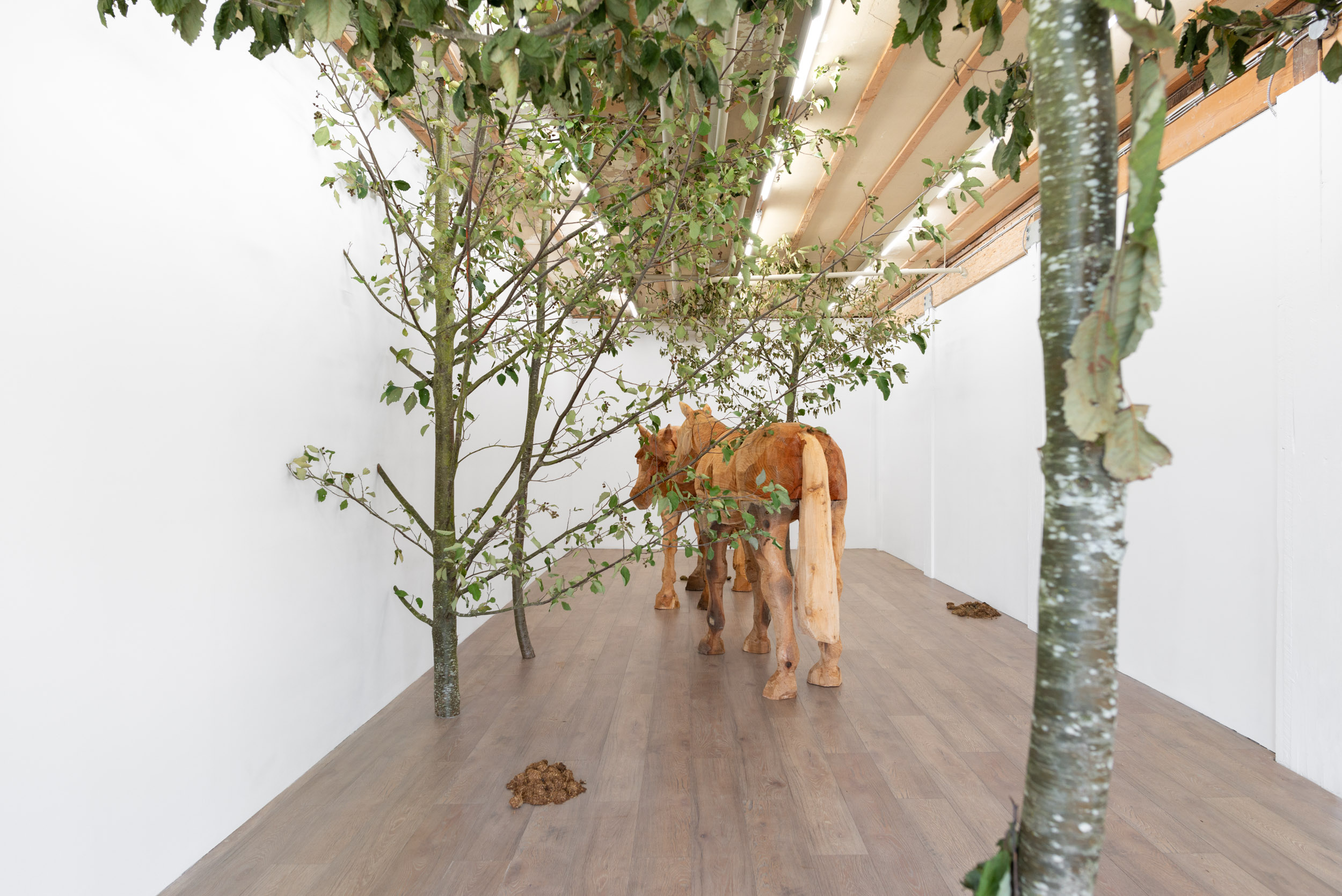
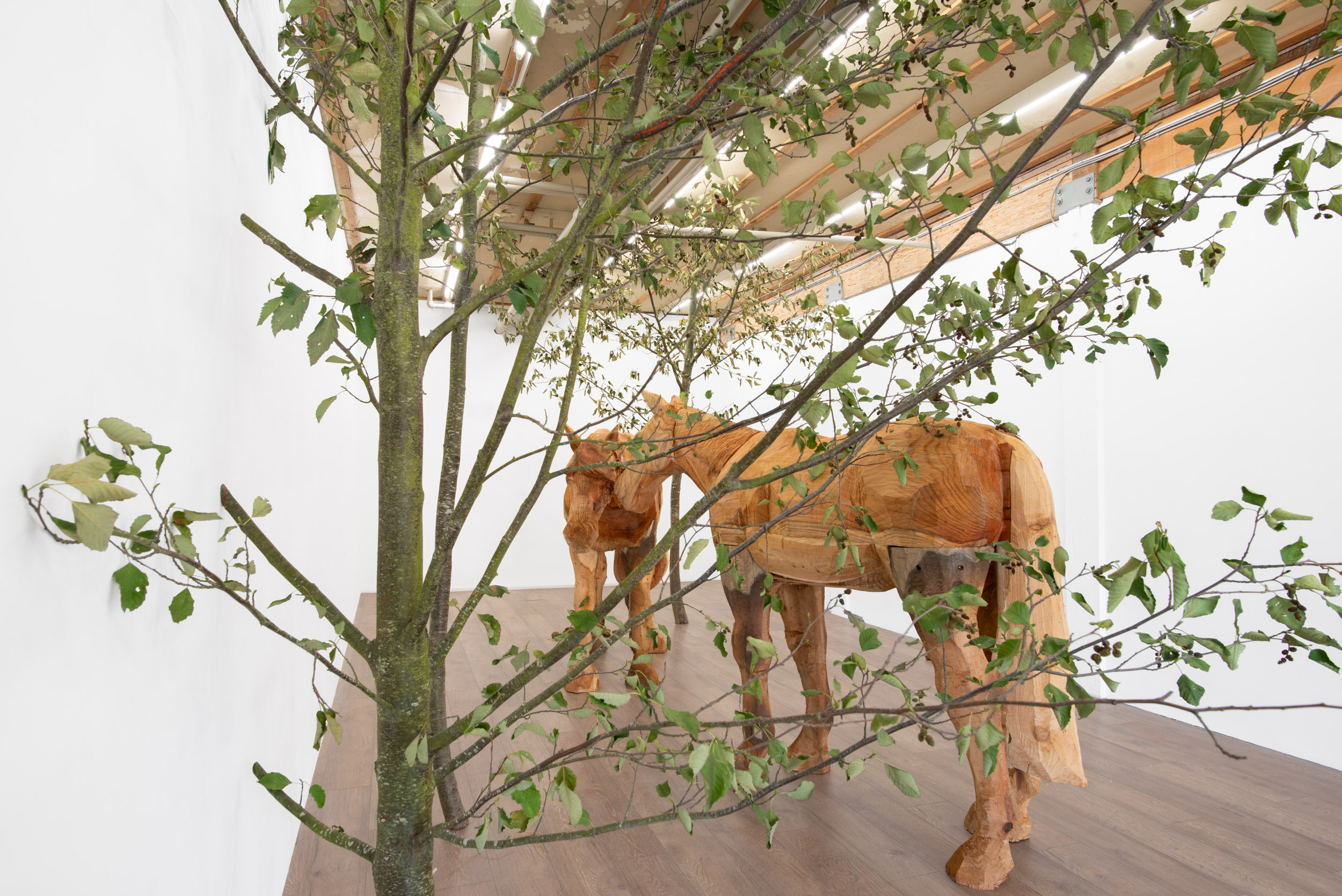
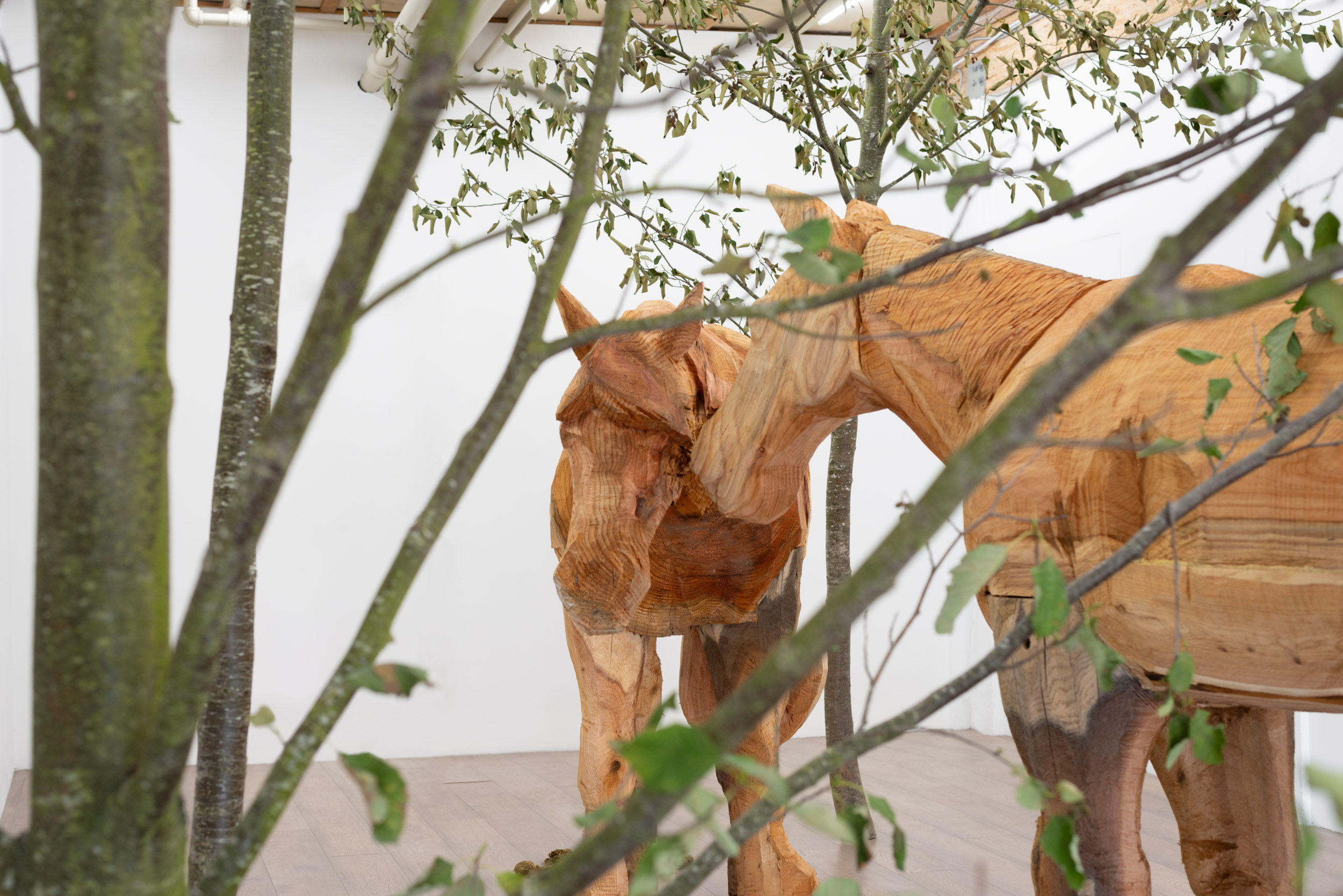
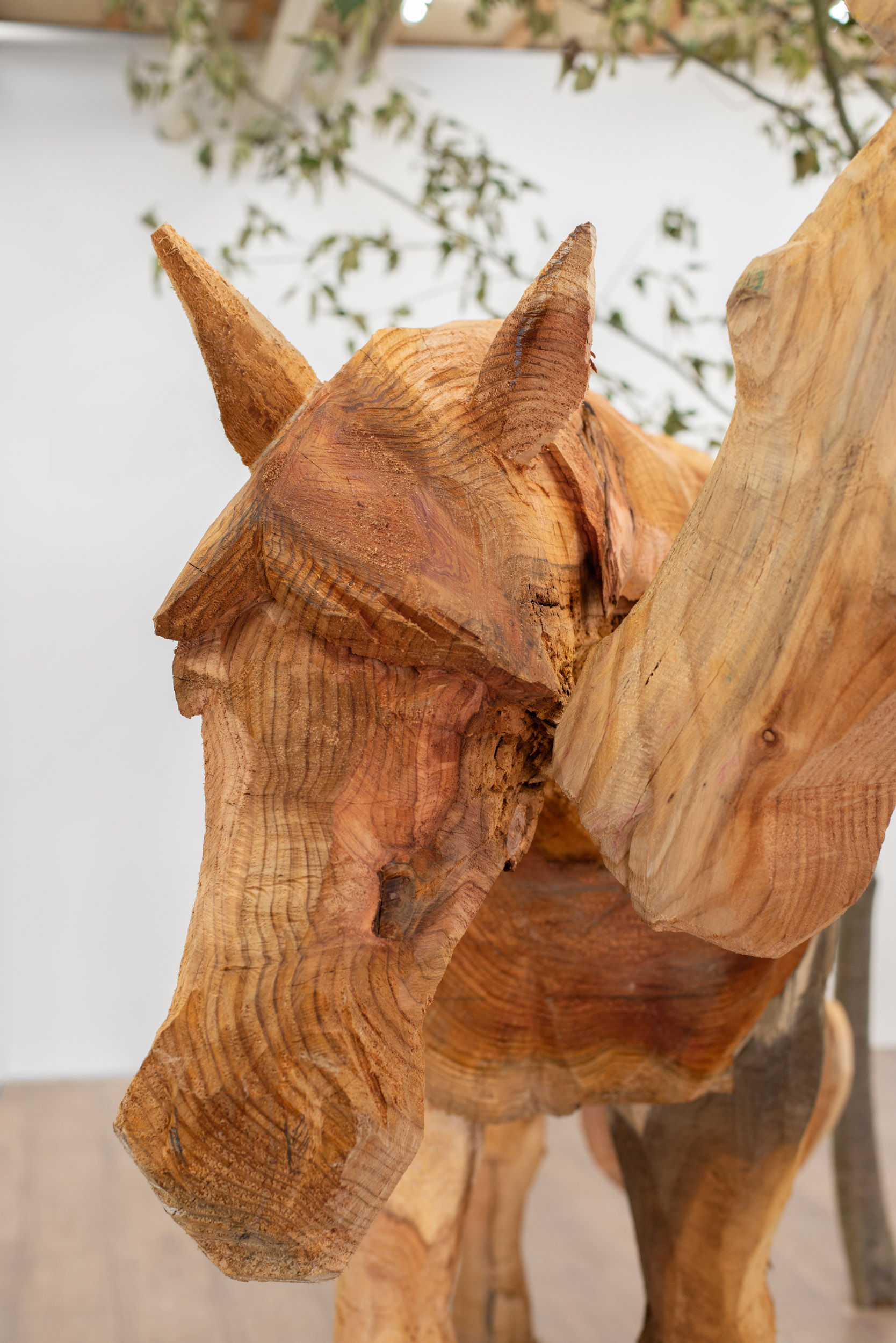
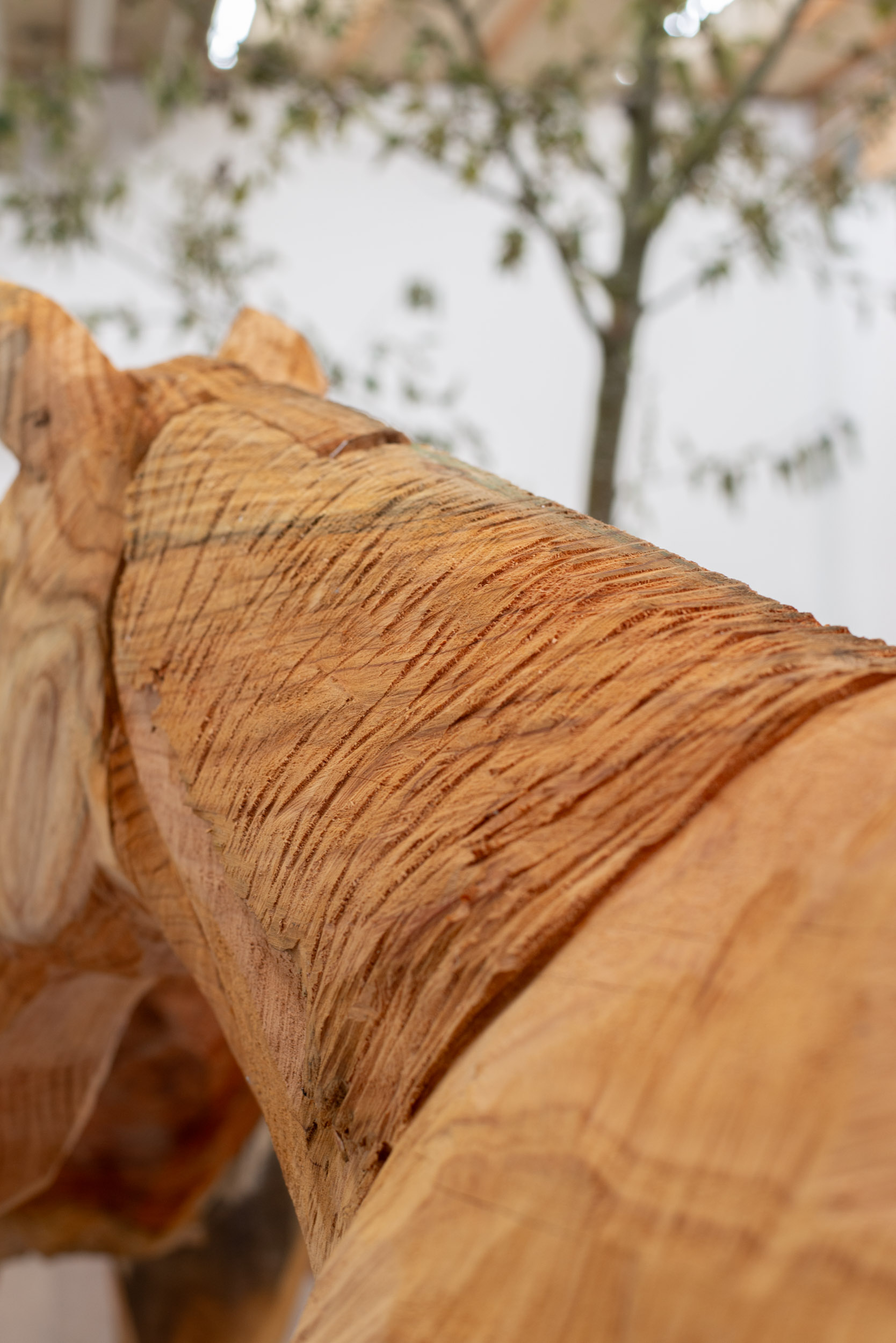
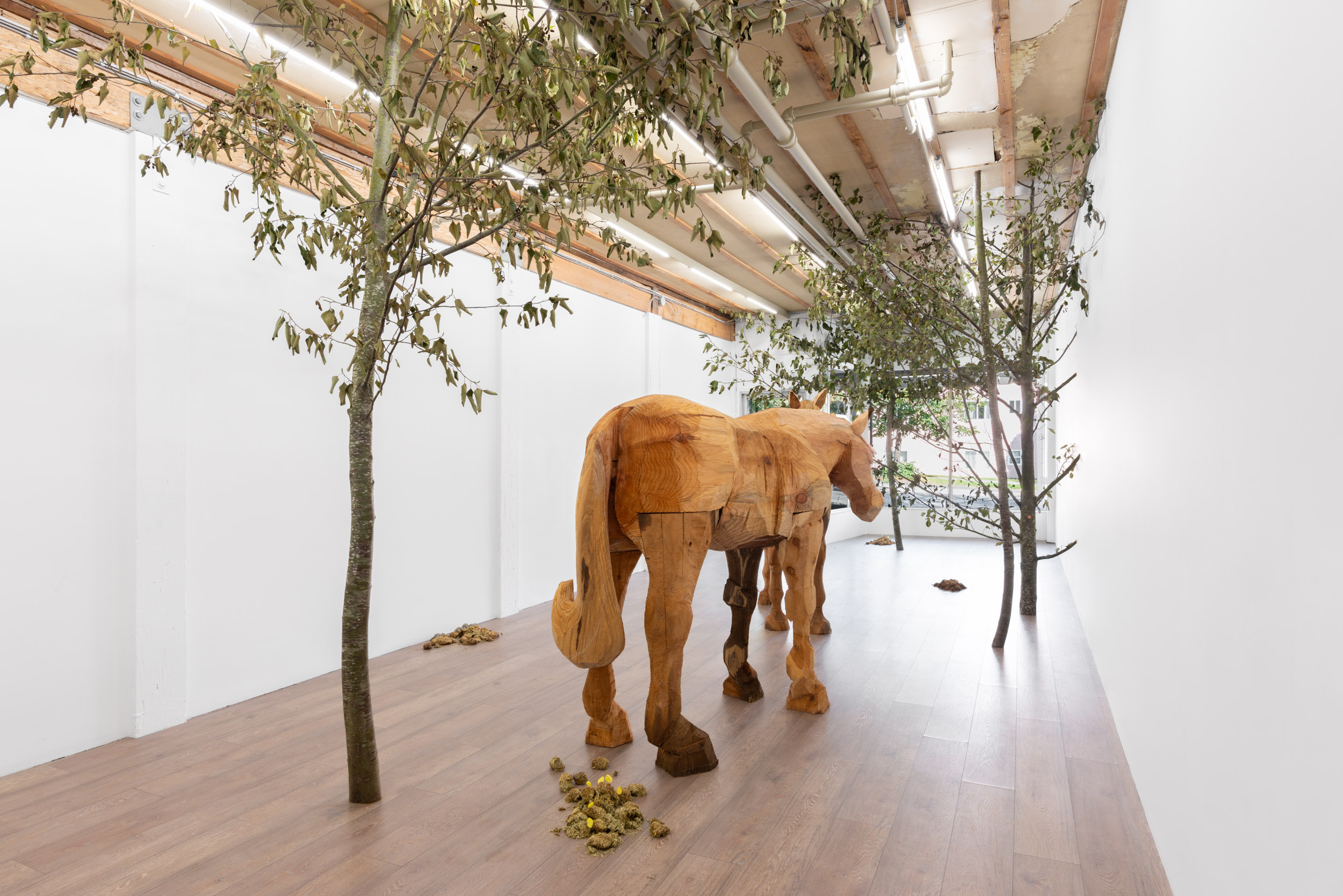
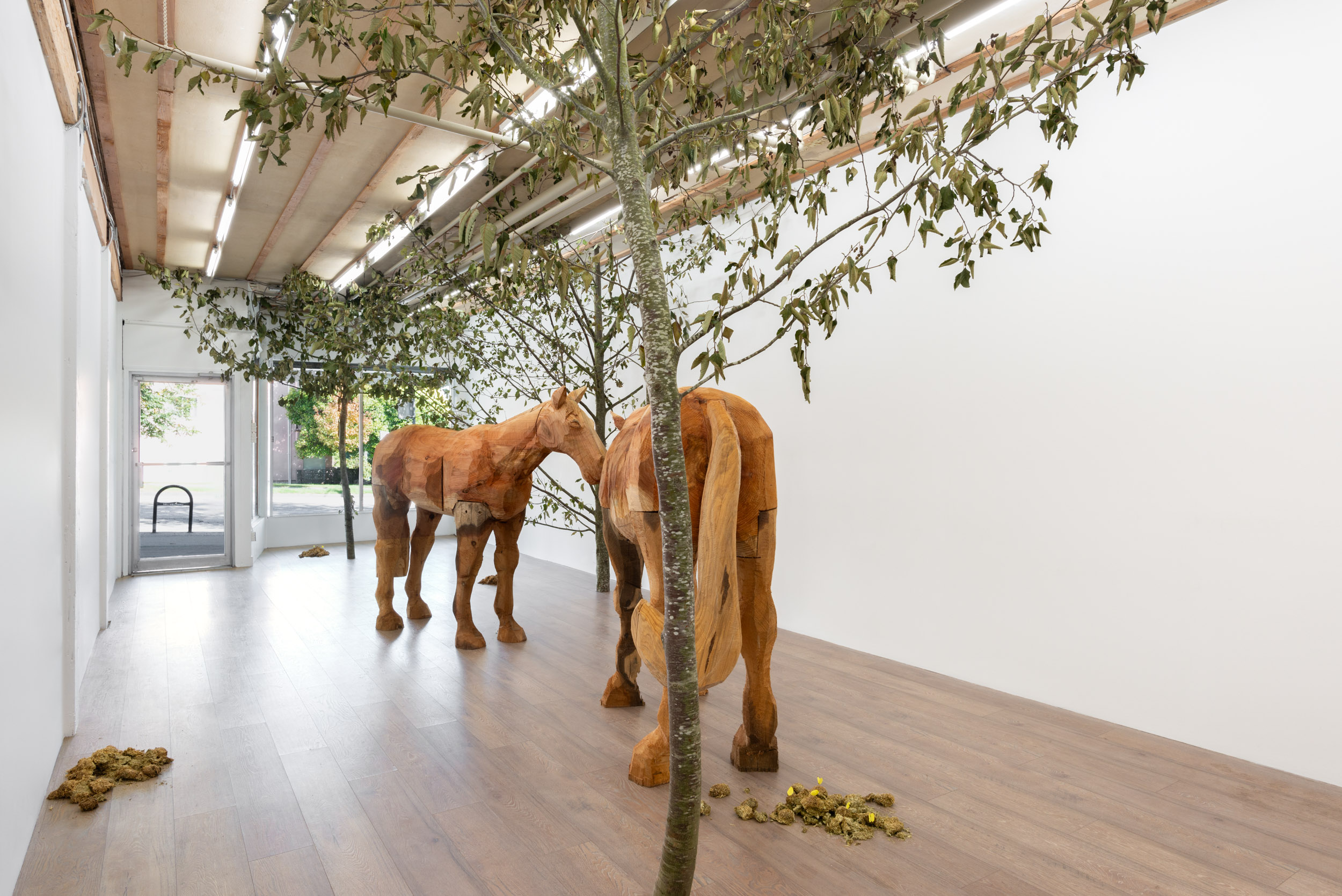
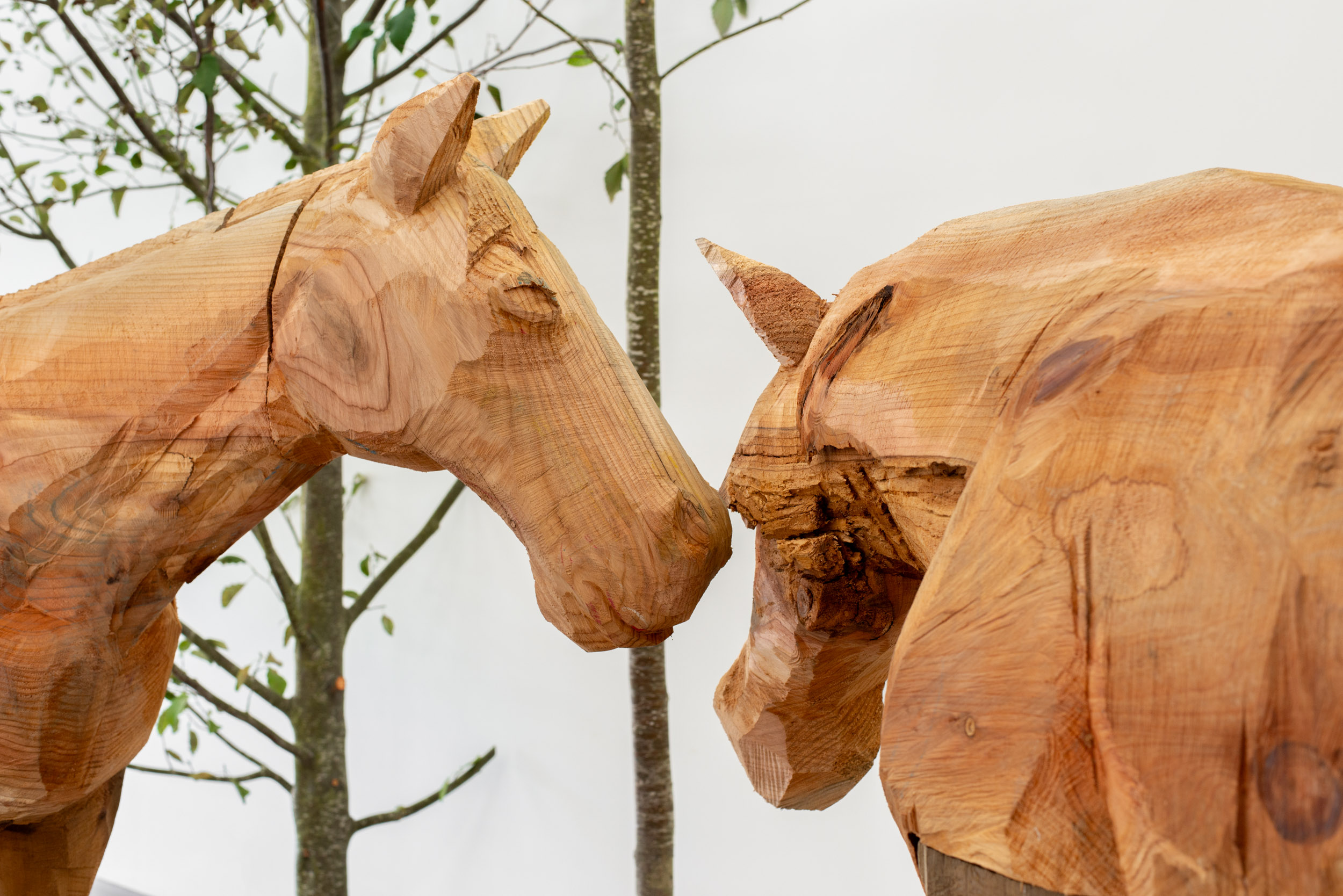
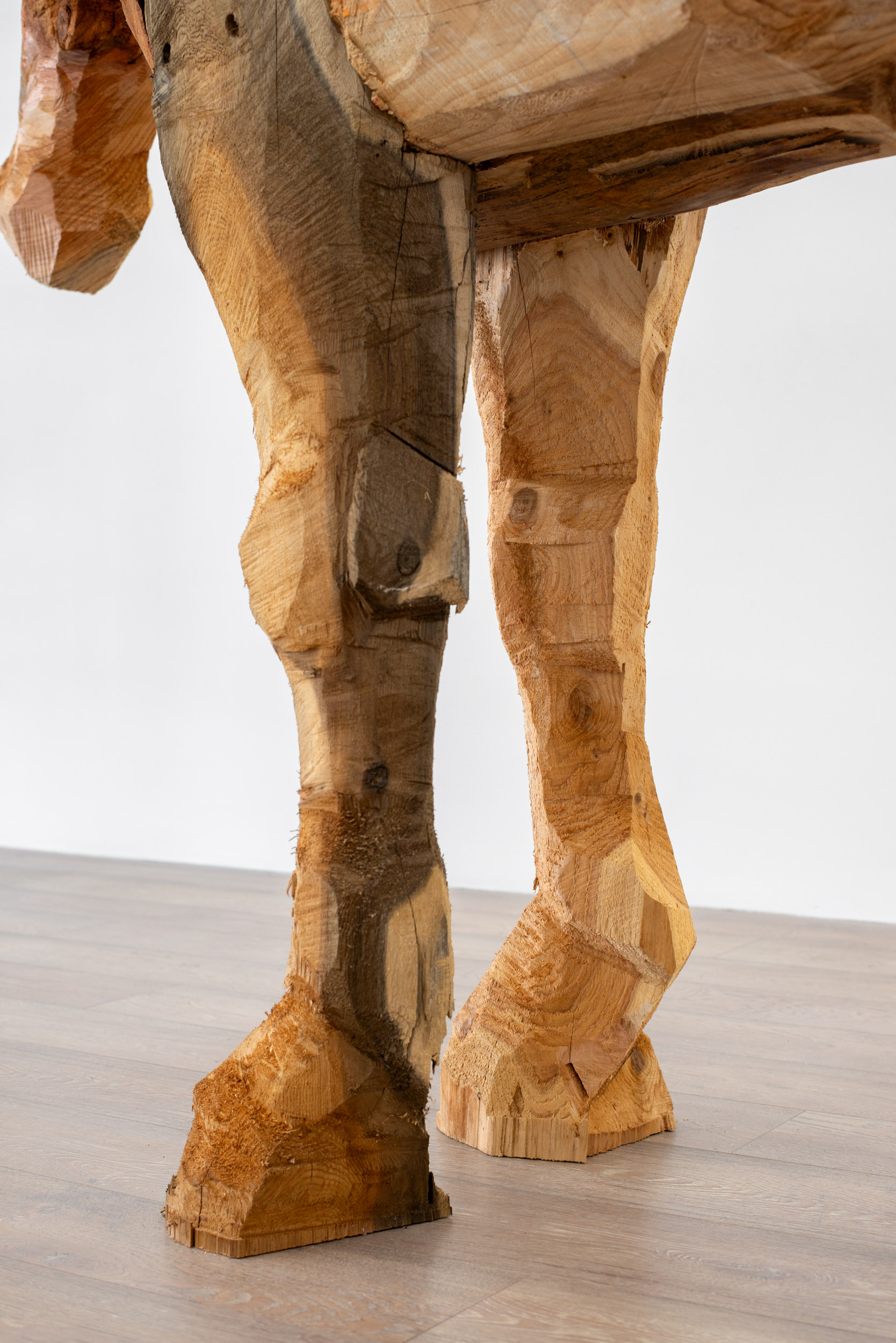
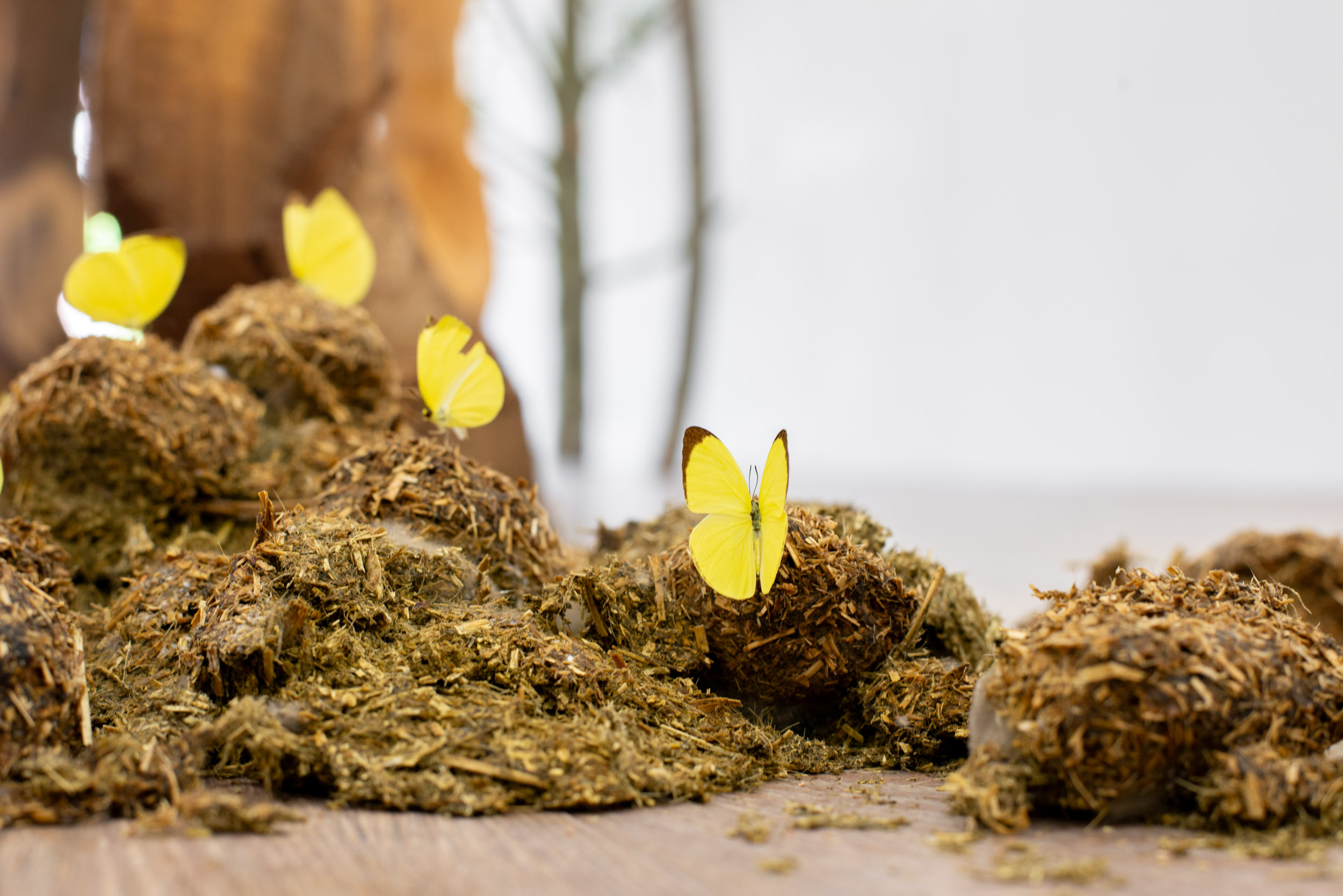
I returned from the trip a little dizzy and disoriented, replaying the experience in my mind and examining it from all angles. Ideas came to me in flashes: horse packs piled high, old-fashioned pack saddles and oilskin tarps bound tightly with double diamond hitches. I pulled a small sketch from my luggage that I had whittled by the fireside. It was far from perfect, yet serviceable. In it I could see the horse. I was surprised by the emotions I felt when bidding farewell to my friend who had carried me through smoky valleys, over alpine passes and across the braided river.
Recalling our early morning cat-and-mouse routine, in which I would calmly follow him with an outstretched hand, the other behind my back holding the halter that I’m certain he knew was there. Just when I thought we had reached an agreement, he would bolt on me. After a few rounds of chase, he would give in and bow his head to take the bit. This ritual took place each morning, yet he would always agree to carry me further down the trail.
Graham Landin (b. 1982) is a visual artist and carpenter who lives and works in Richmond, BC. Drawing influence from classical antiquity, off-grid culture, folk art and a variety of modernisms, Landin makes pavilions, sculptures, furniture objects and wall reliefs. Since relocating his studio to agricultural land in 2018, he has employed a chainsaw to work swiftly at the scale of the human body. His work has been exhibited in Canada and the United States, and he has created over thirty sculptures for Stüssy International’s flagship stores.

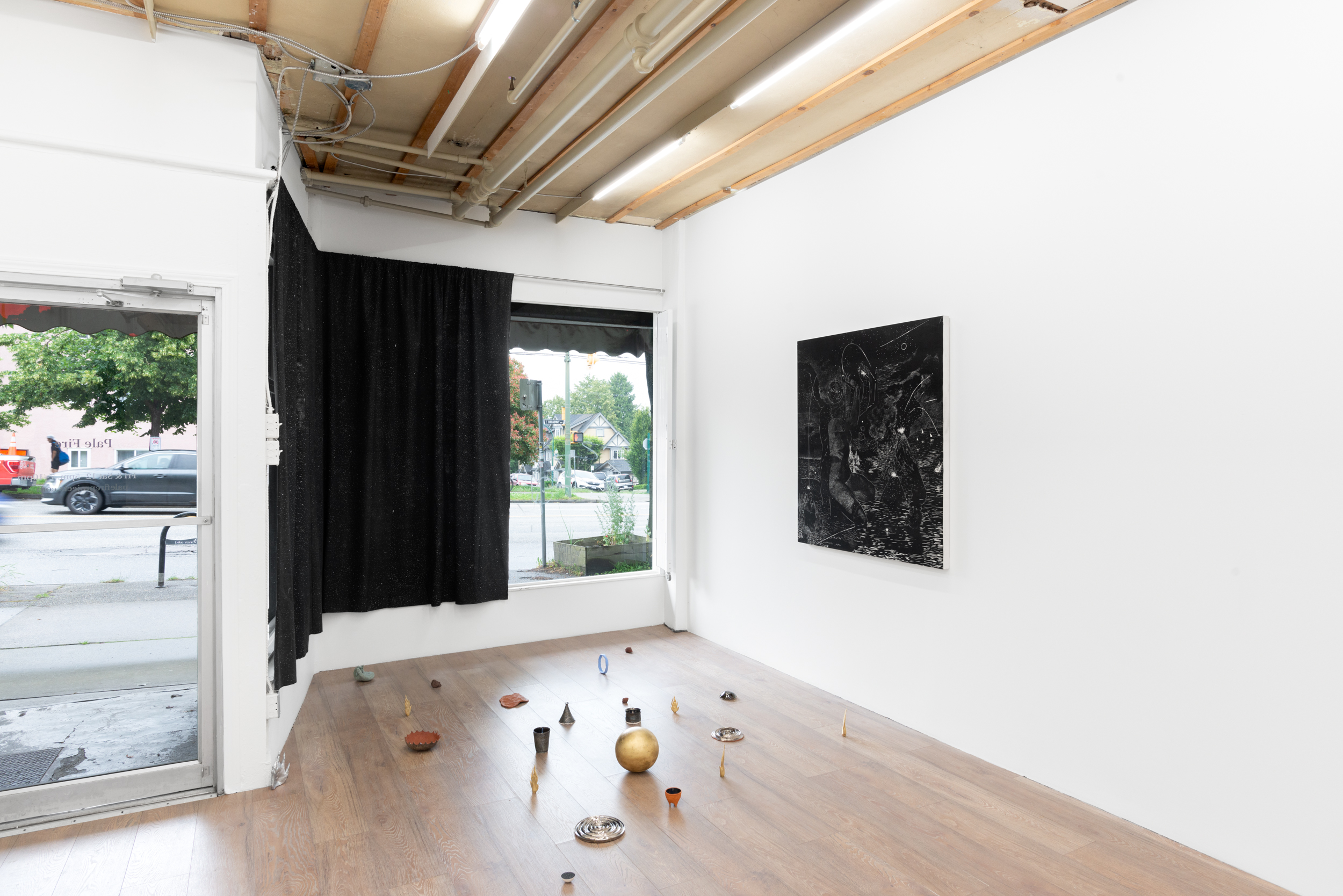
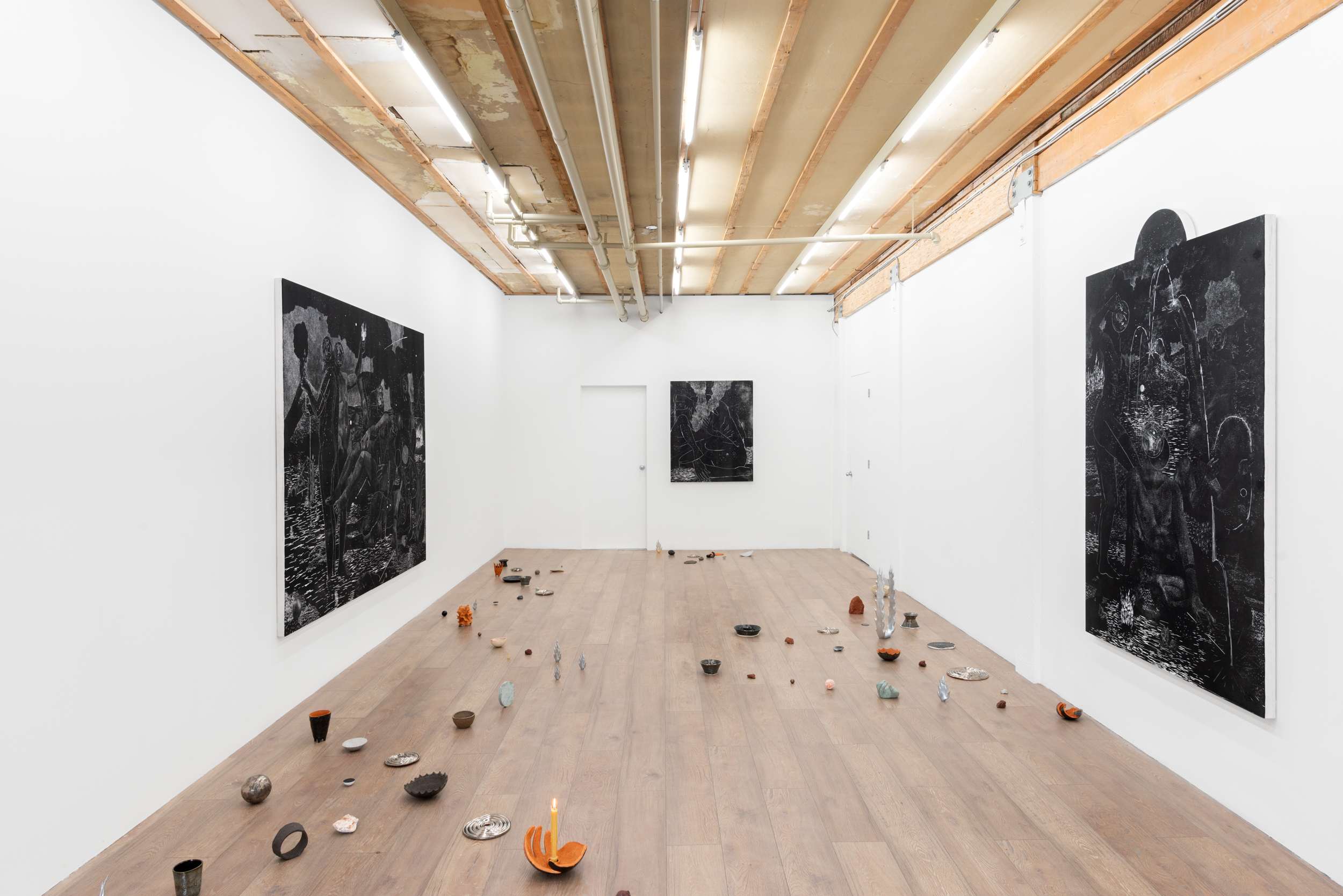
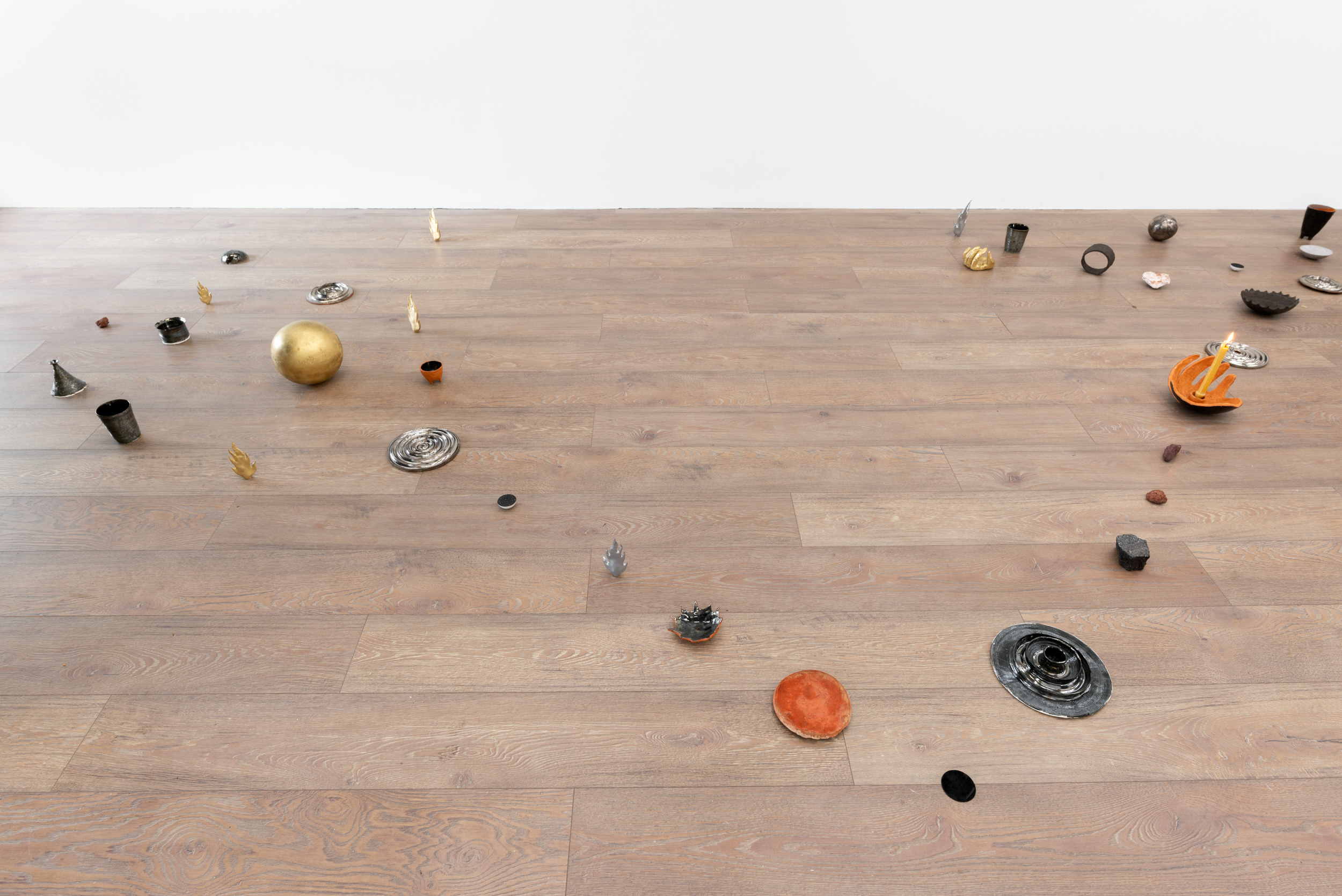


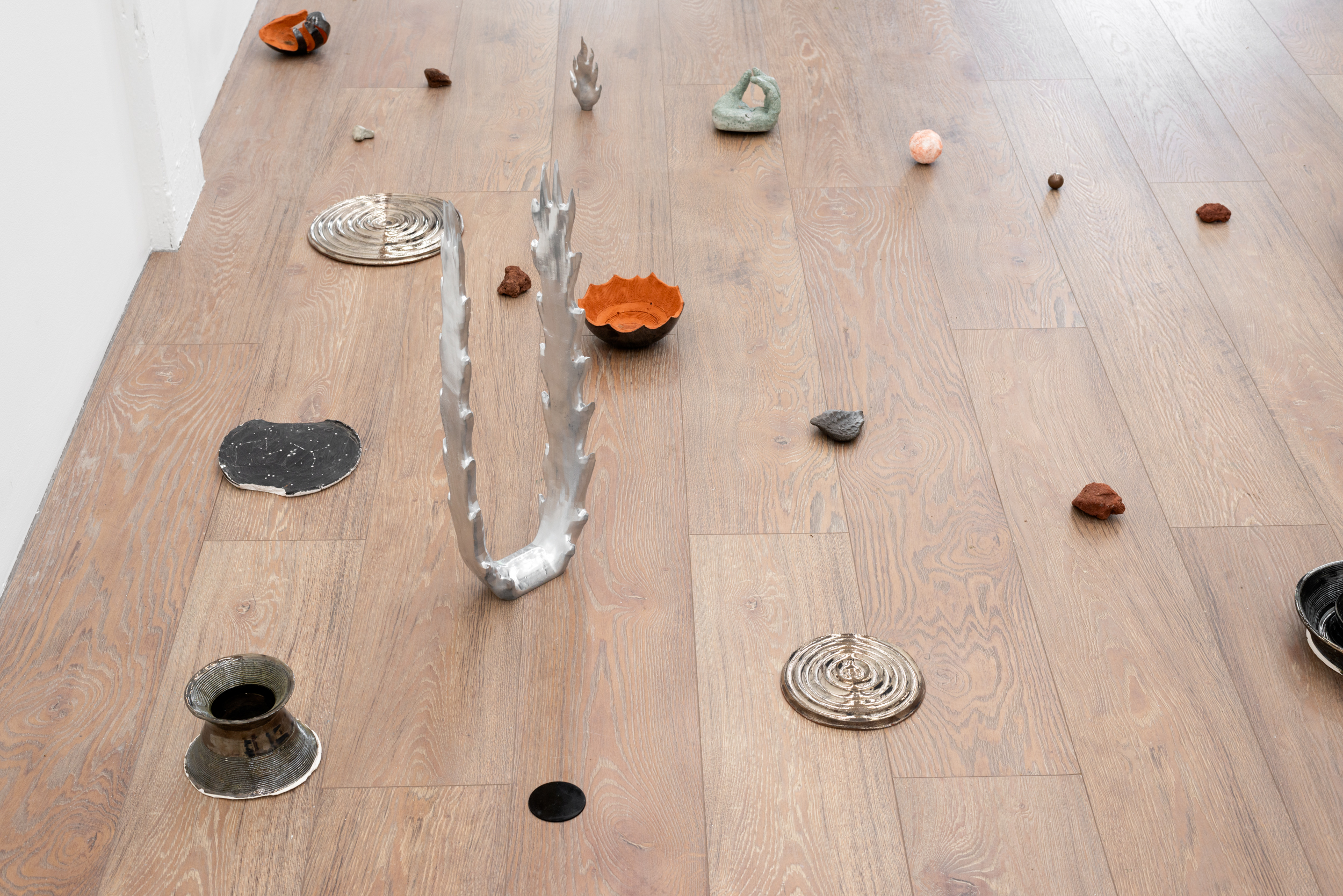




Sergio Suárez: Aphelion
June 28–August 17, 2024
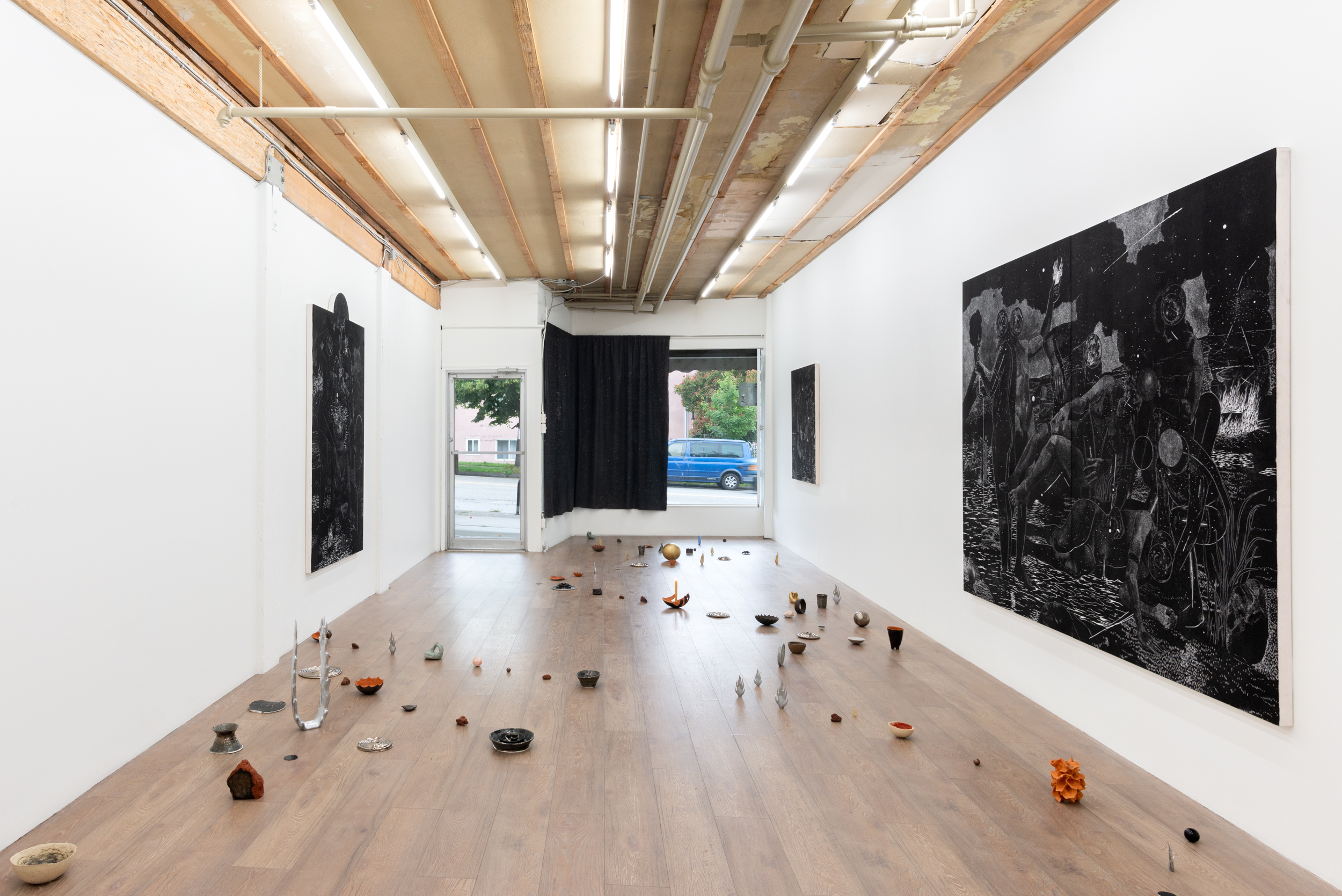
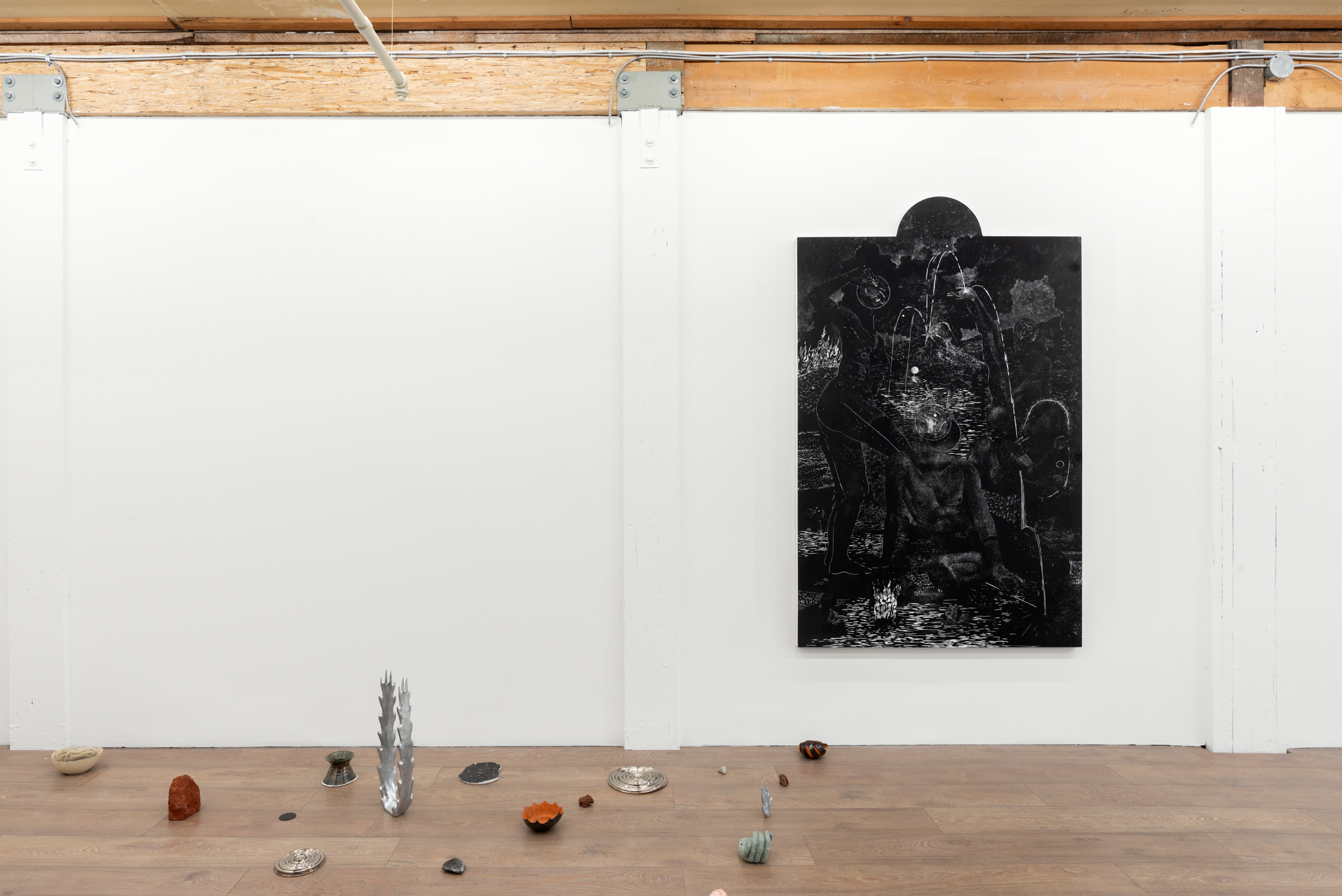
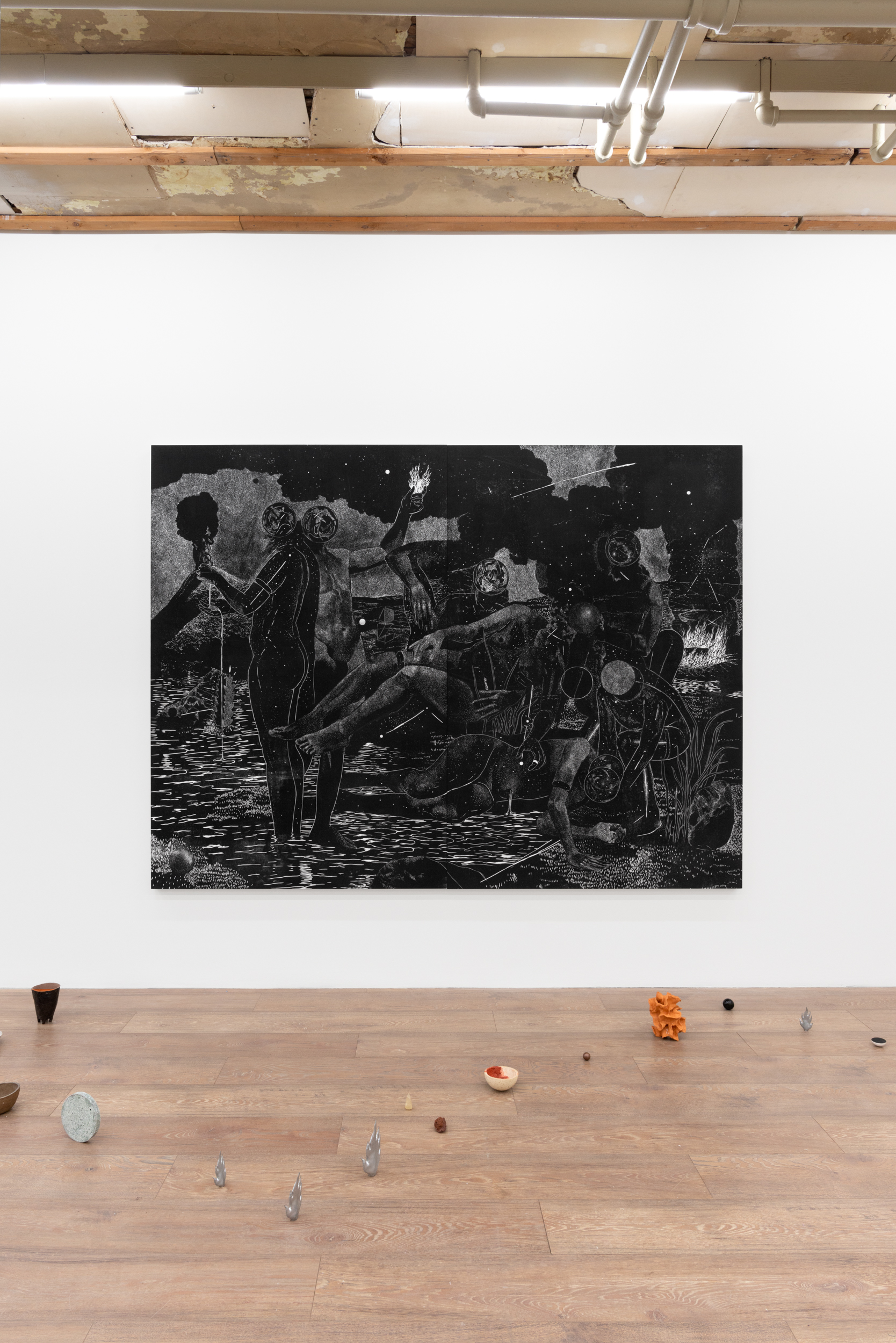
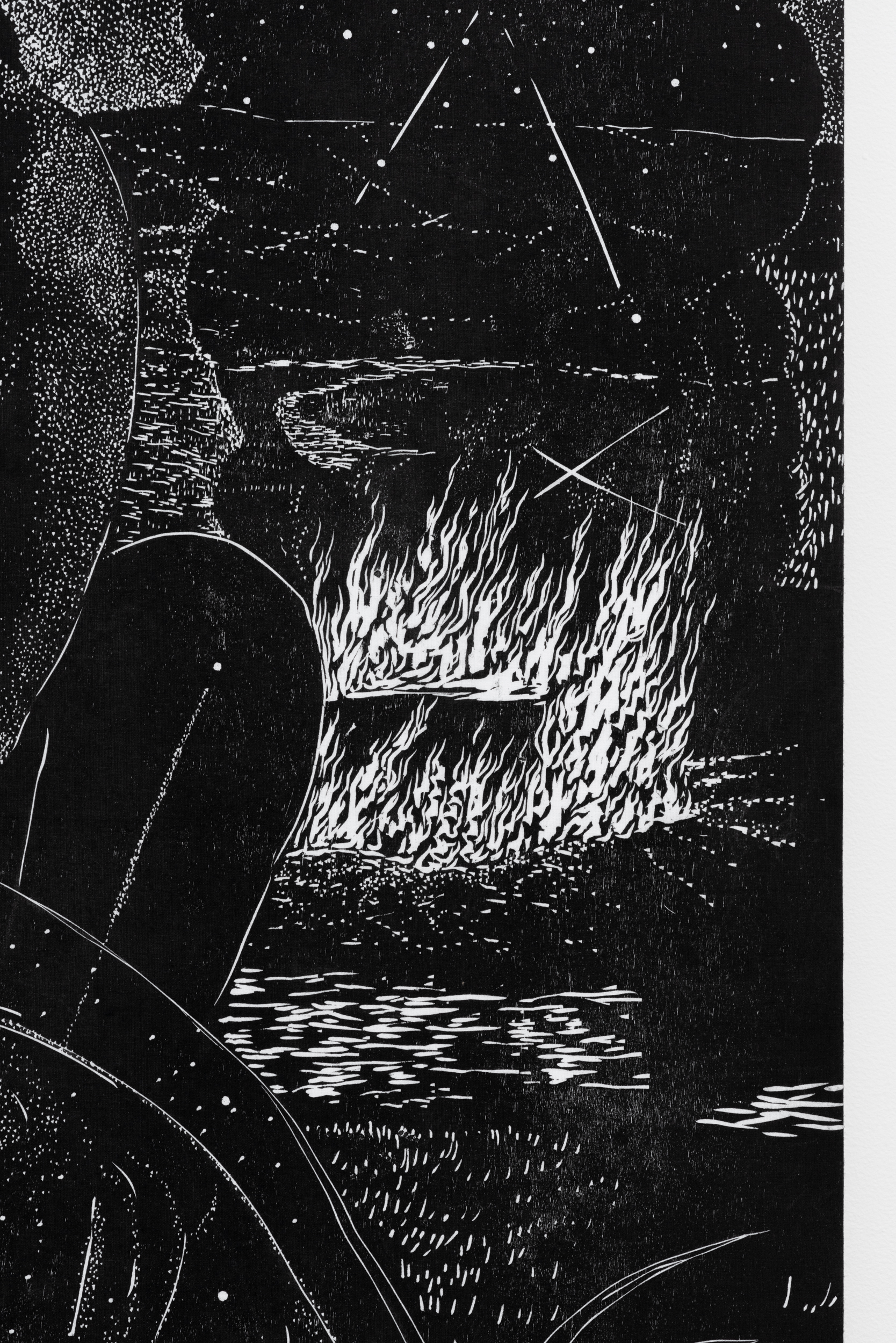
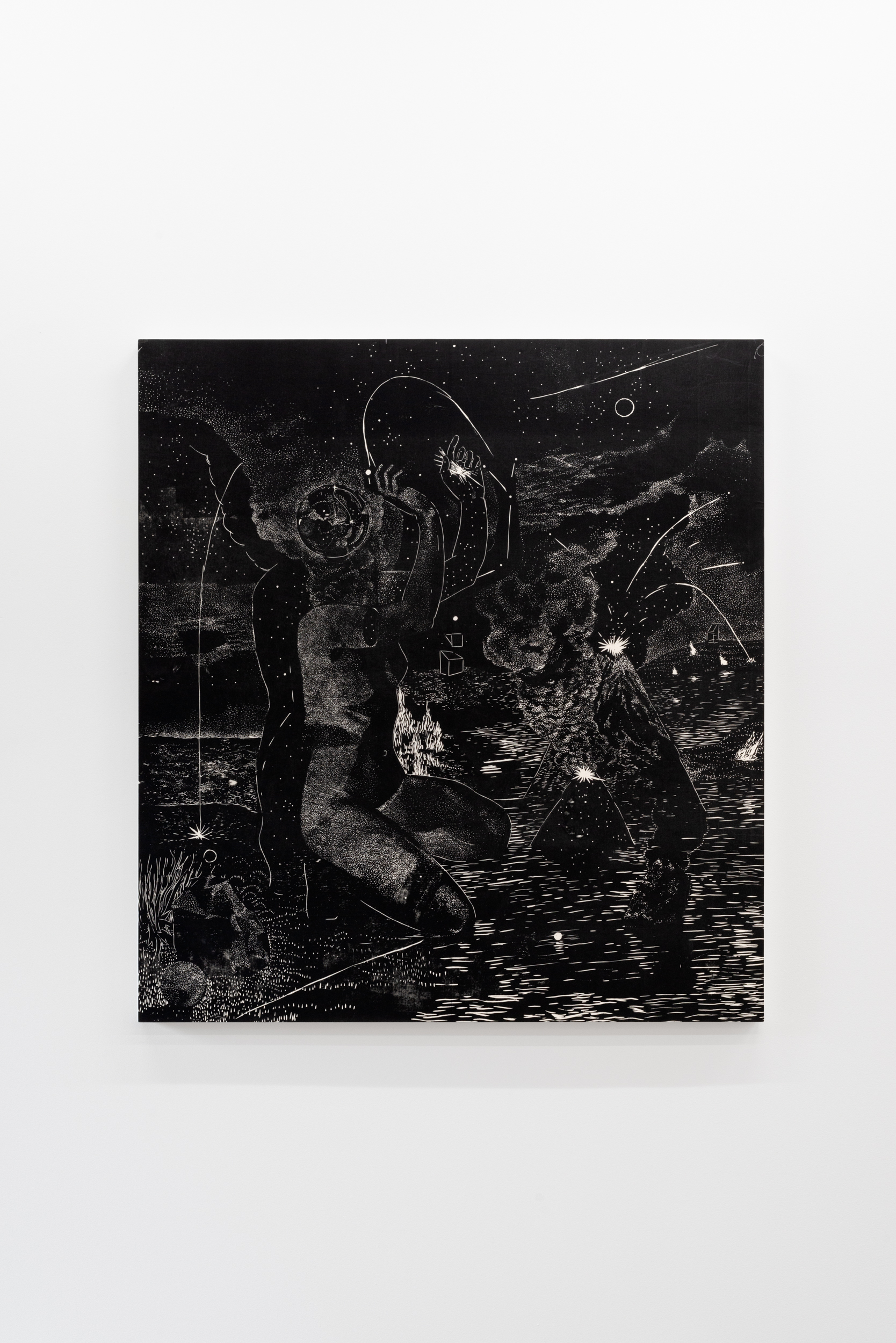
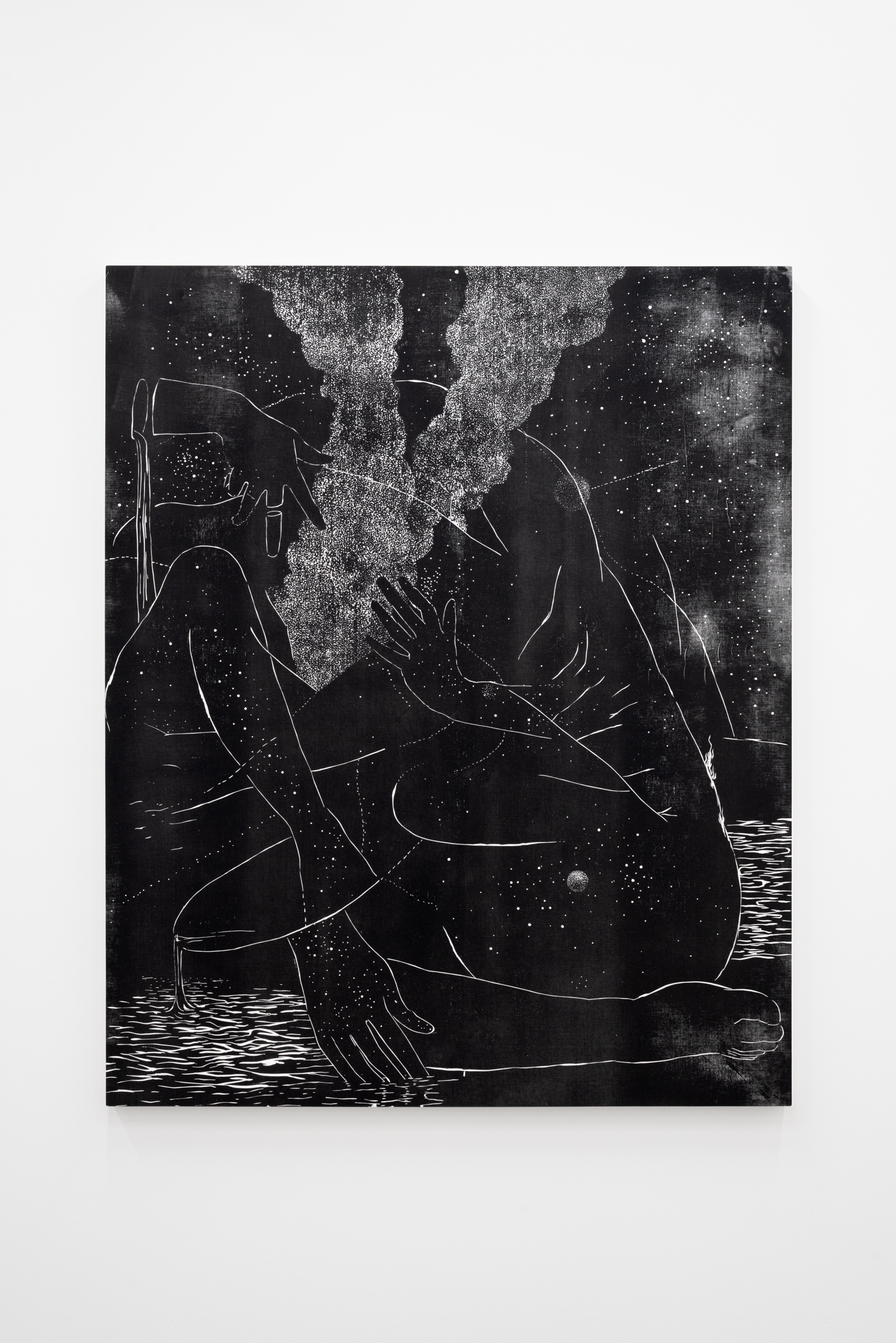
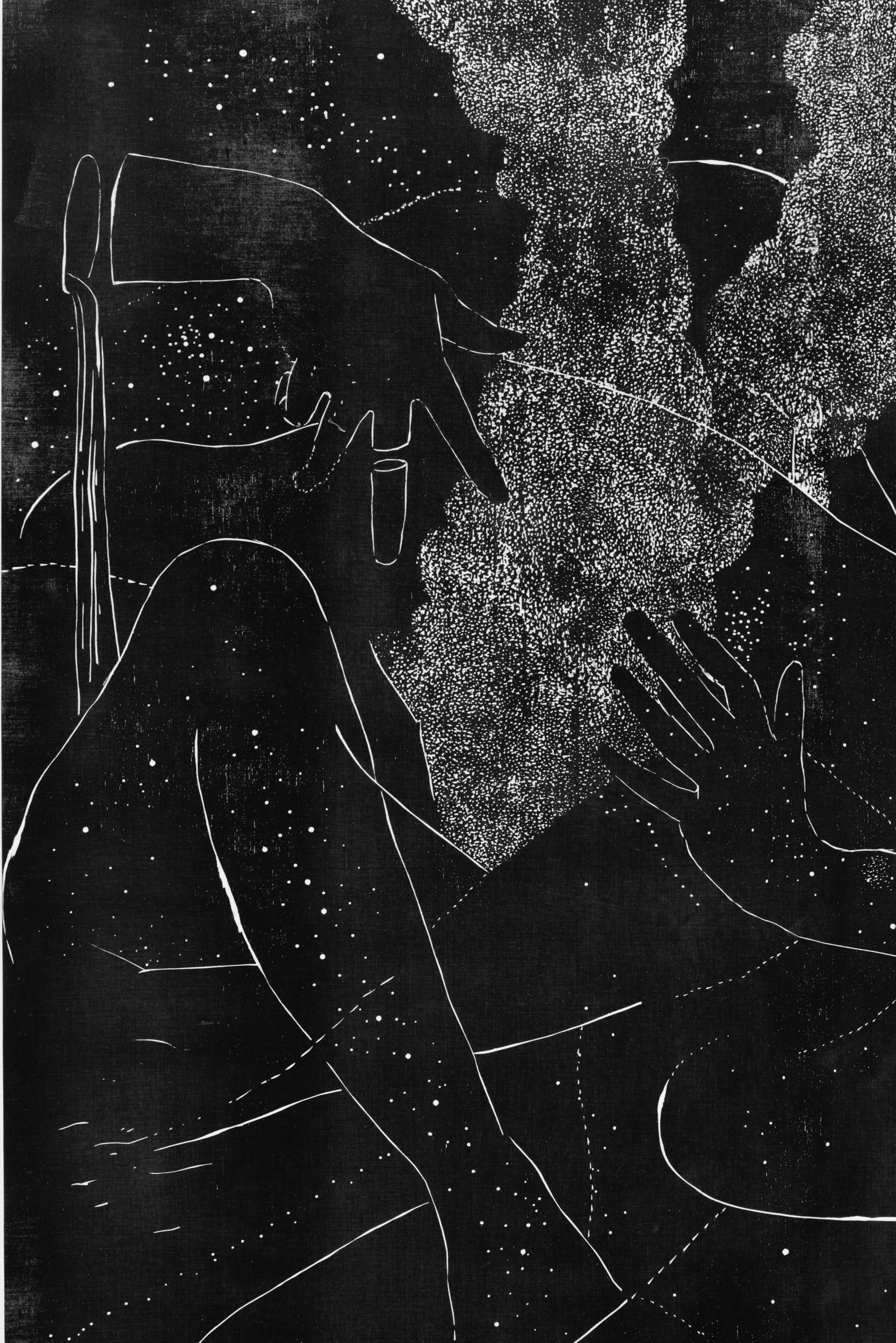
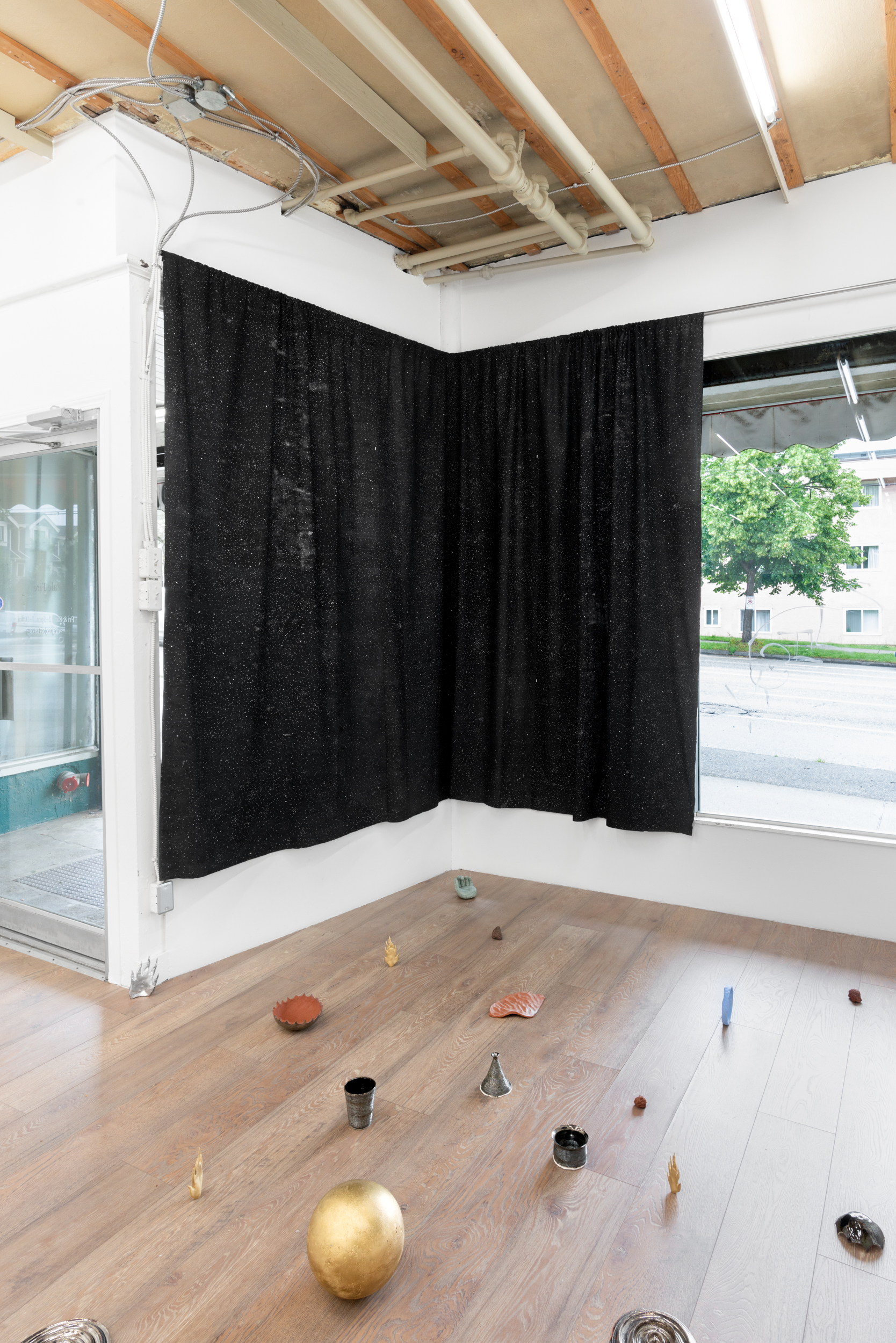
Pale Fire is proud to present Sergio Suárez’s first exhibition in Canada. The exhibition coincides with the earth reaching its farthest position from the sun in its orbital cycle. This occurs annually, roughly two weeks after the summer solstice. The phenomenon is called aphelion, a term composed of the ancient Greek words apo, for “far,” and helios, for “sun.” In Greek cosmology, Helios is the god of the sun and vision. He is an omniscient witness who oversees oaths, magic and spells.
Cosmology is a means of organizing human emplacement and connection in the universe. Philosopher Frederico Campagna has described it as a melodic line that imprints a sense of harmony onto the inherent cacophony of existence. Suárez is curious about the diverse melodies that people have composed throughout history. His compositions are densely saturated with icons, symbols and gestures that conjure the traditions of frescoes, mosaics and codices. His prints and installations produce encounters between visual lexicons that open up how these systems have been coded, metaphysically, socially and politically.
Sergio Suárez (b. 1995) was born in Mexico City and is based in Atlanta, Georgia. His practice spans printmaking, sculpture, painting and installation and is informed by baroque intricacy, theological iconography and traces of Mesoamerican material cultures. Suárez’s work has been exhibited in Atlanta at Whitespace Gallery, Day & Night Projects, THE END Project Space, the Consulate General of Mexico in Atlanta and Atlanta Contemporary. Internationally, he has show at the Woolwich Contemporary Print Fair in London, England; Haugesund International Relief Print Festival in Norway; Oped Space in Tokyo, Japan; and Ionian Center for the Arts and Culture in Metaxata, Greece. Suárez is the recipient of grants from the Nexus Fund and Idea Capital, as well as residencies with the Bemis Center for Contemporary Art in Omaha, Nebraska; the Studios at MASS MoCA in North Adams, Massachusetts; Stove Works in Chattanooga, Tennessee; and the Skowhegan School of Painting and Sculpture in Maine. Suárez studied drawing, painting and printmaking at the Ernest G. Welch School of Art and Design in Atlanta.



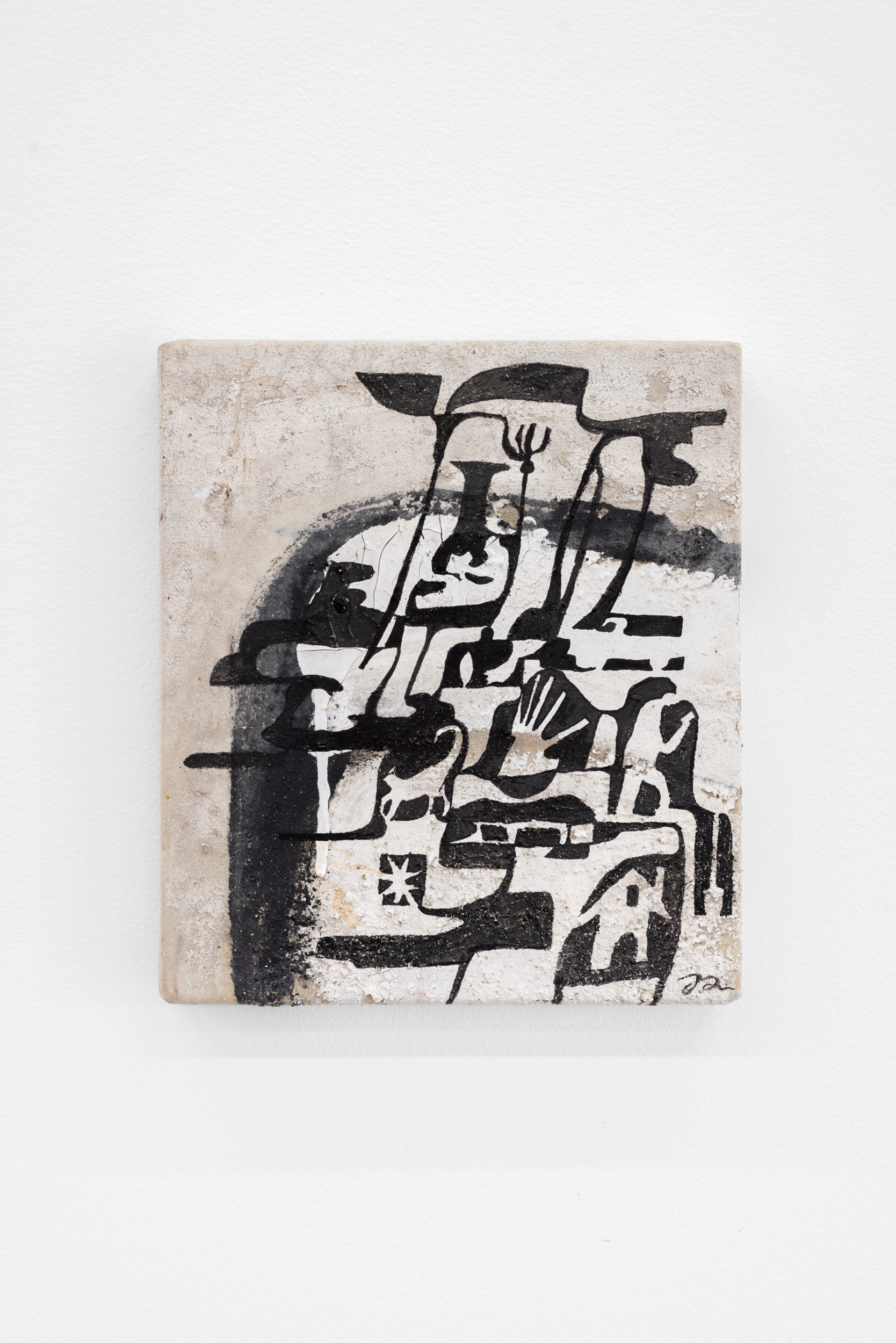
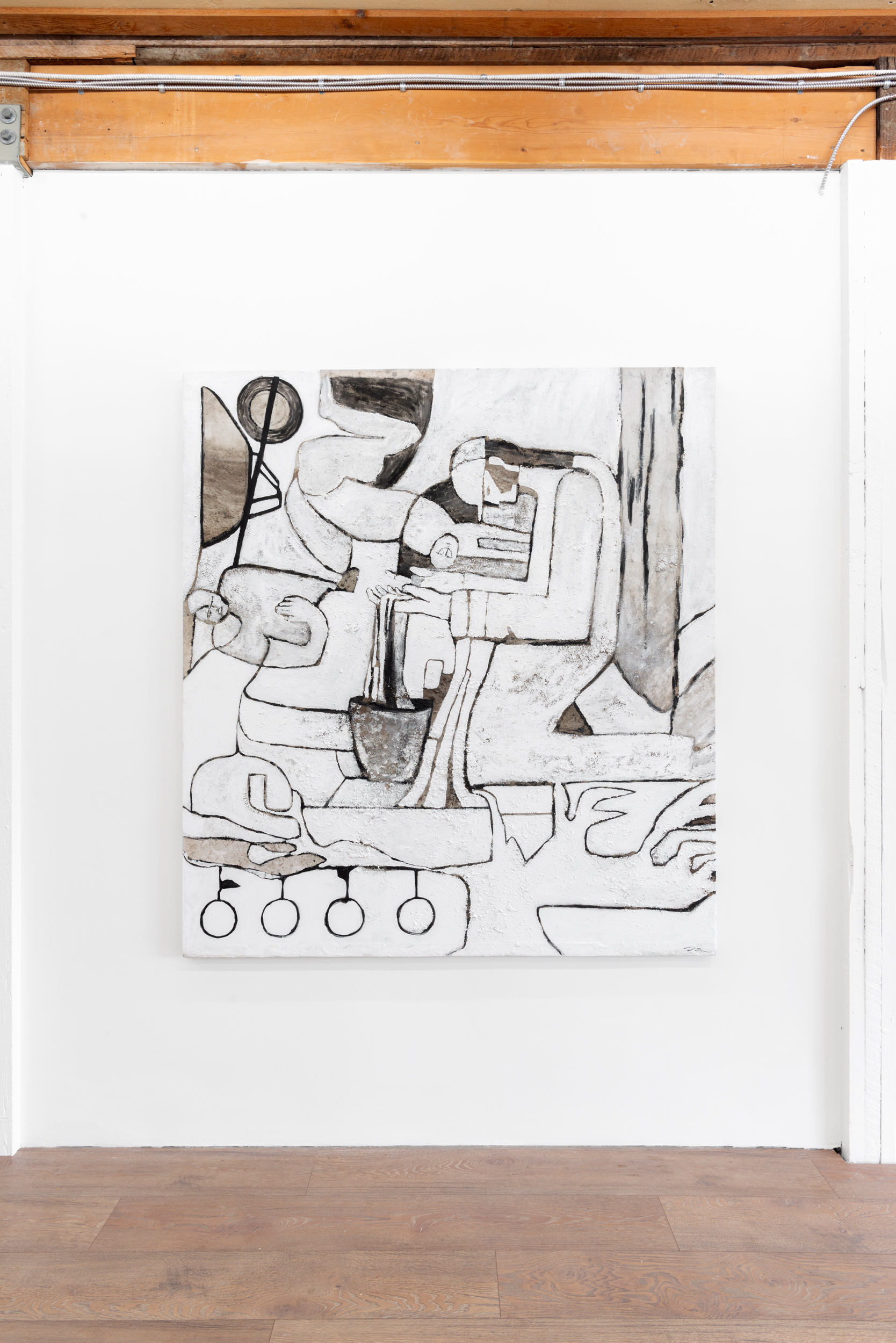

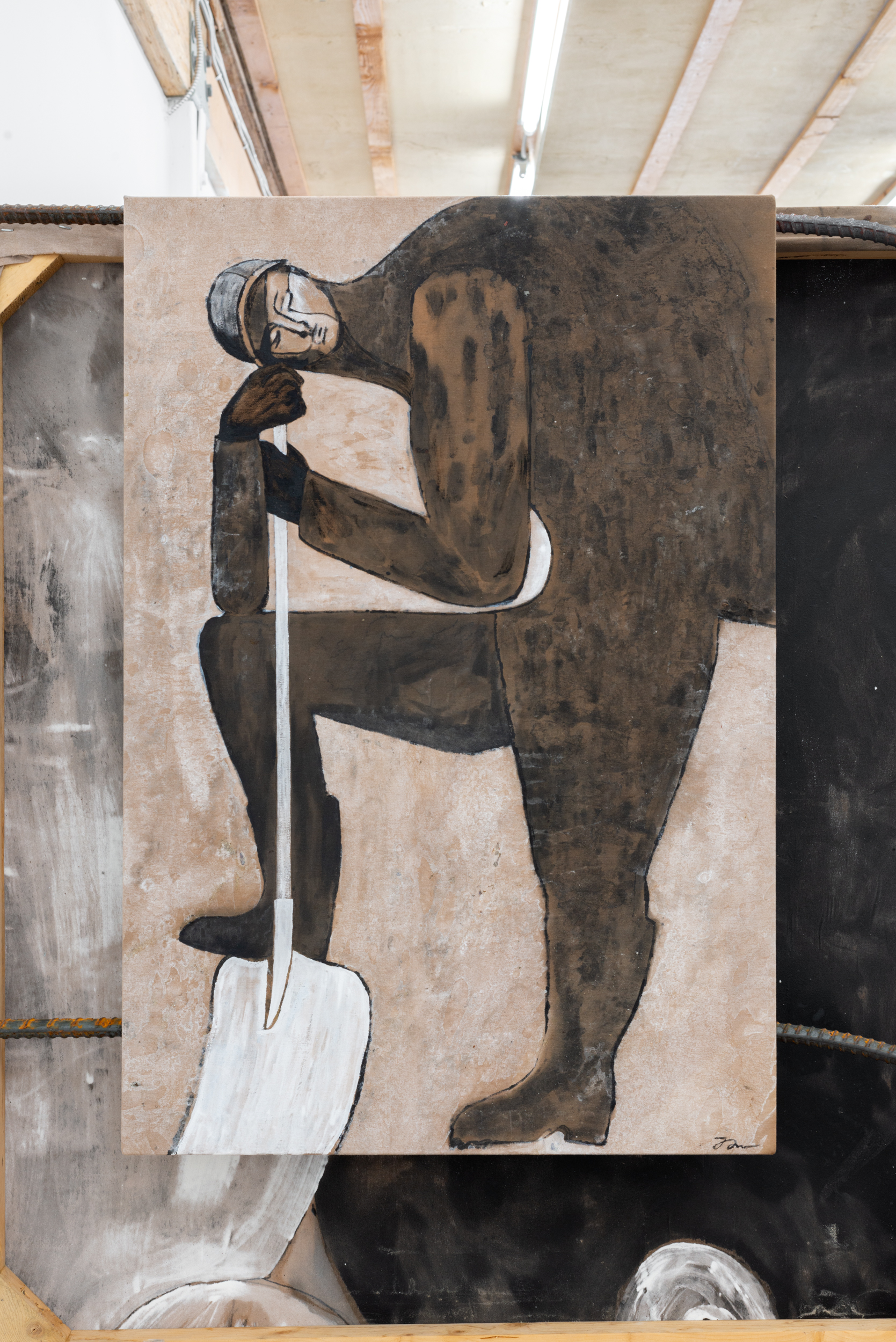
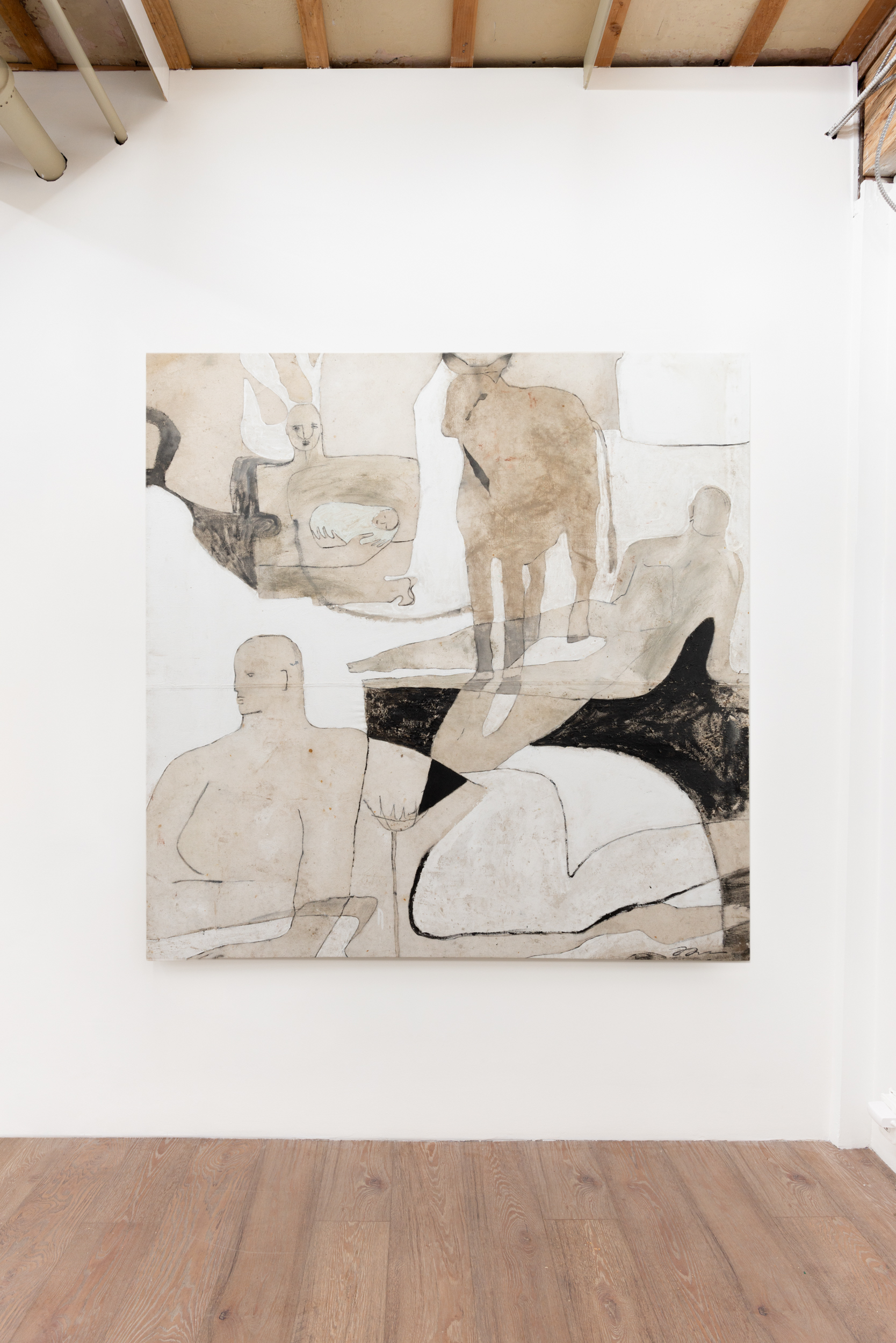
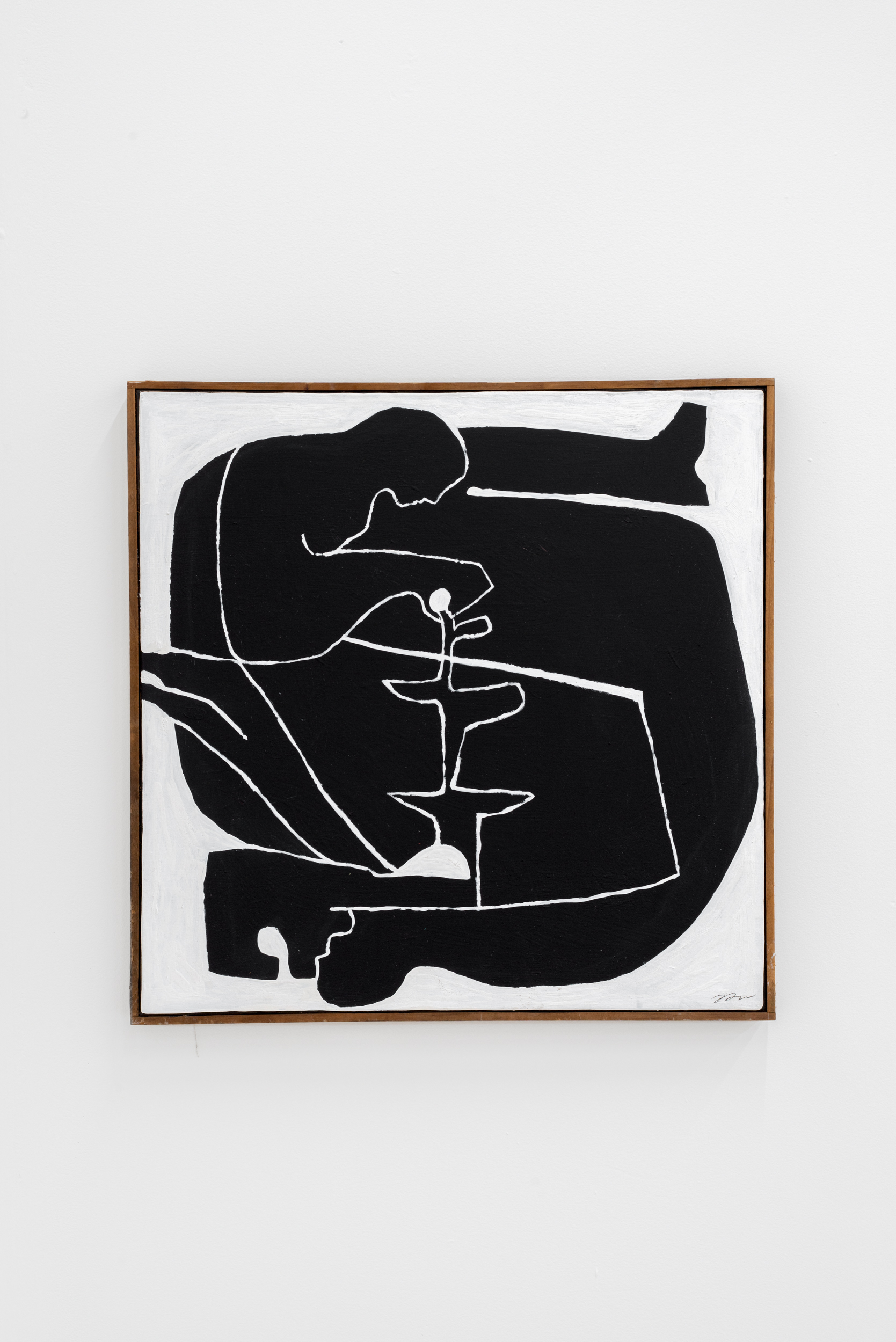
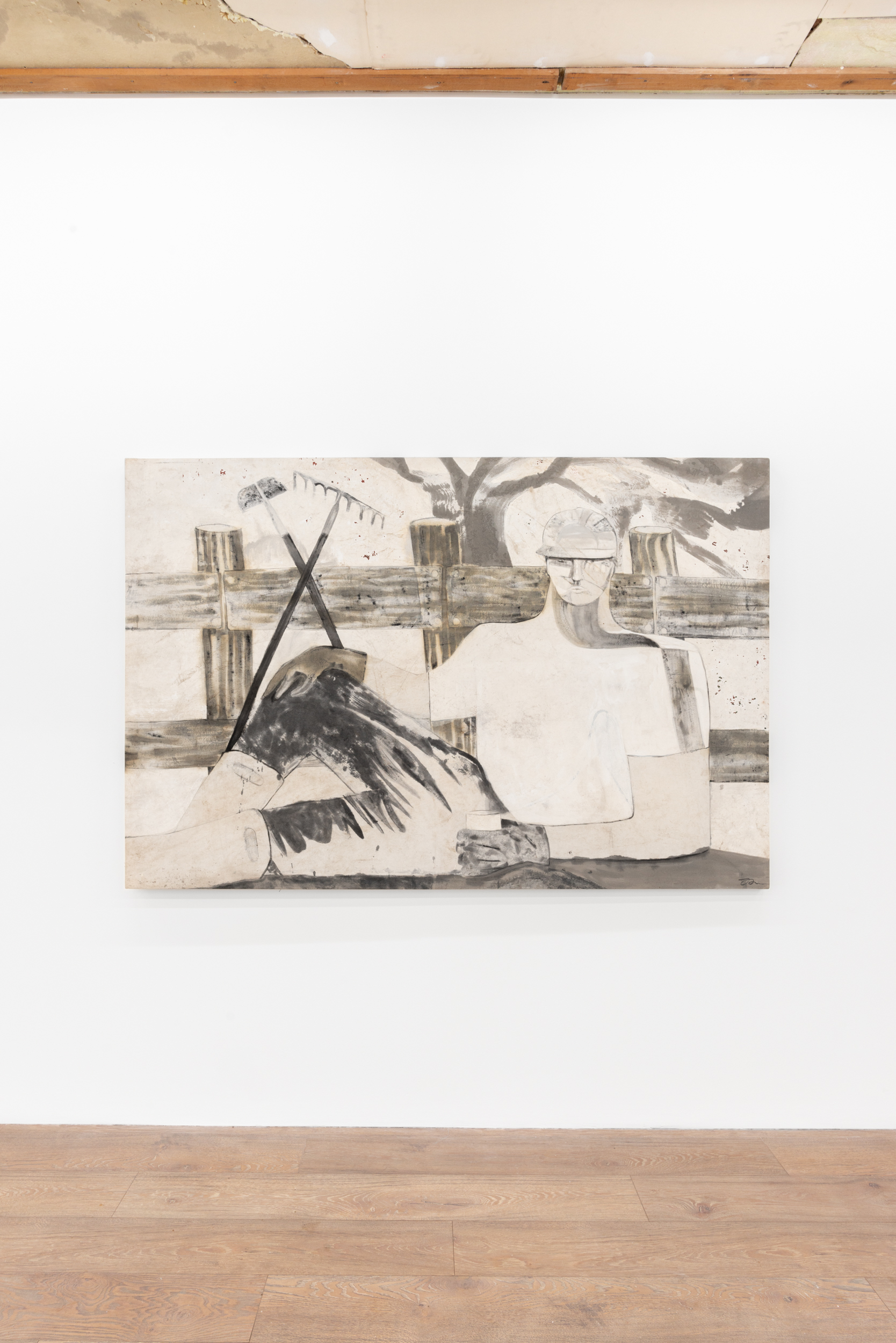
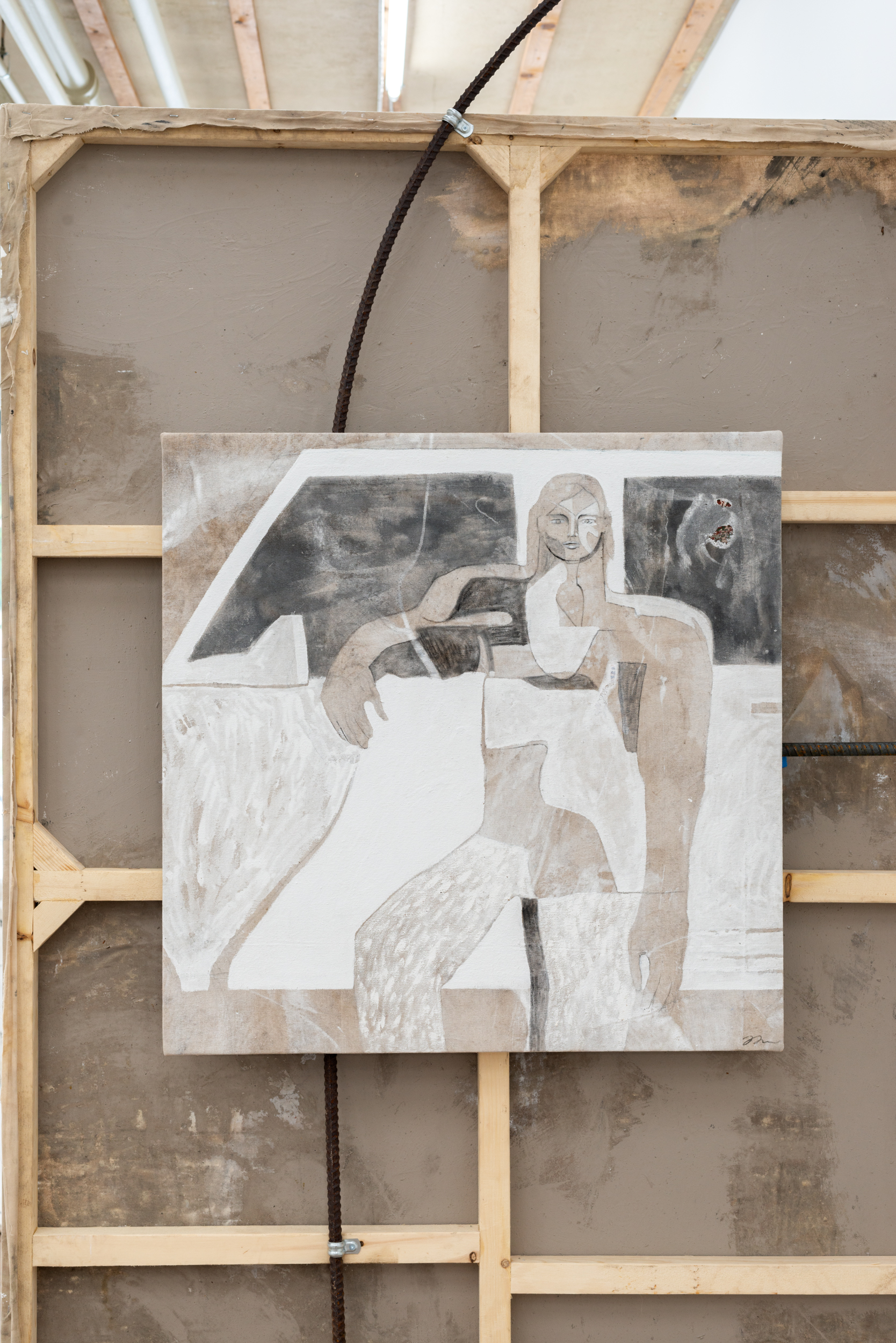

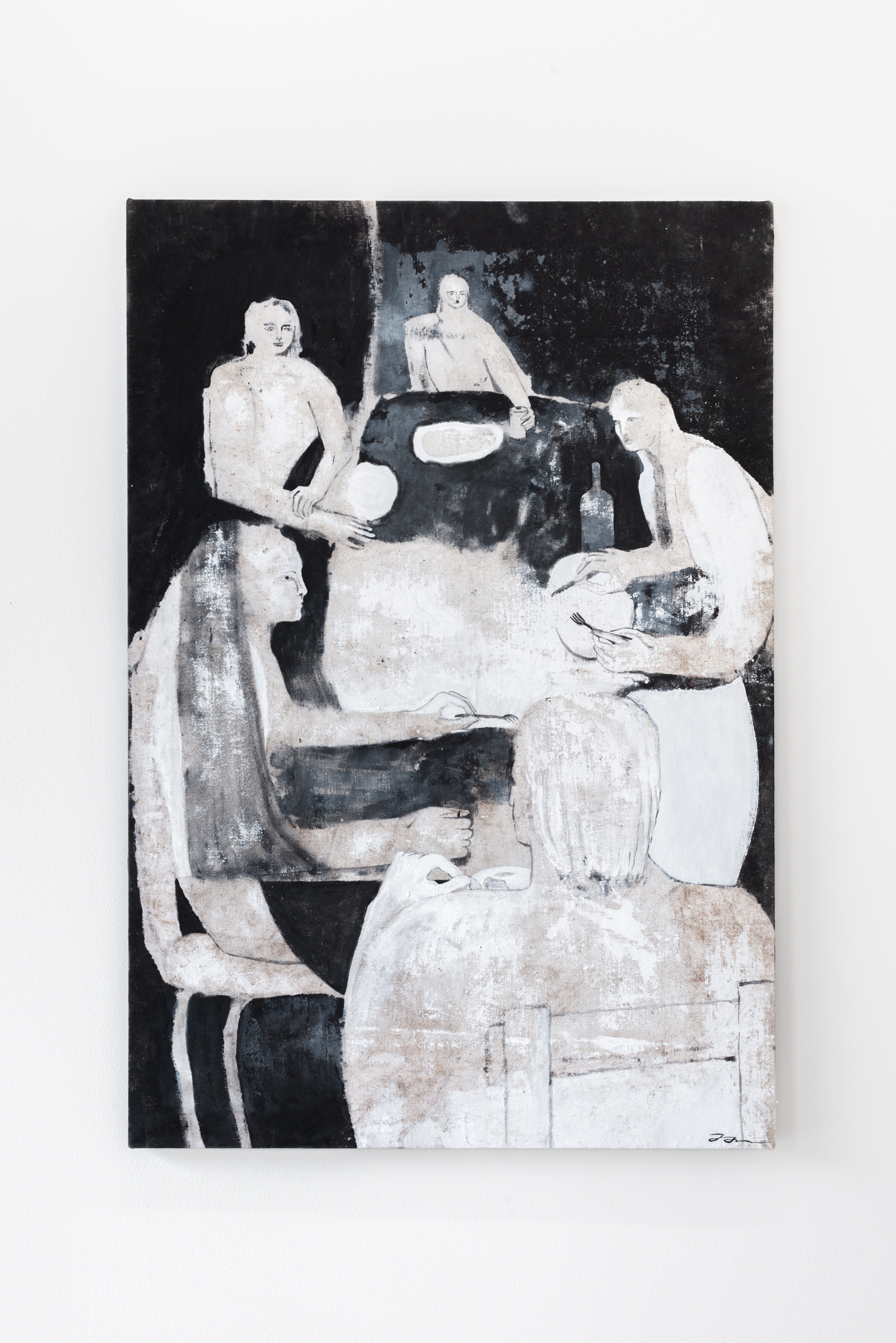
Janine Dunn: cover the taken bone
May 18–June 22, 2024
Available Works
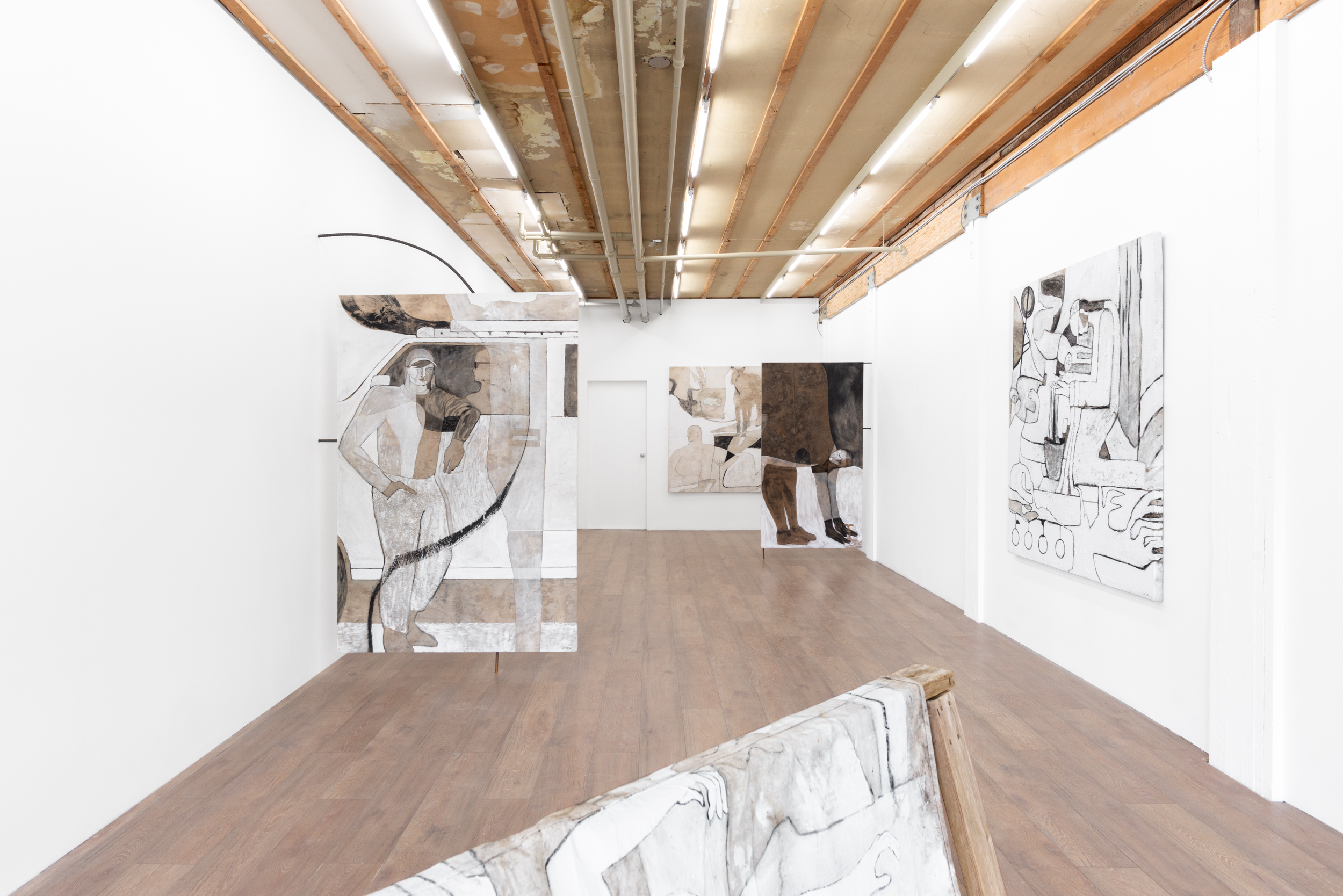
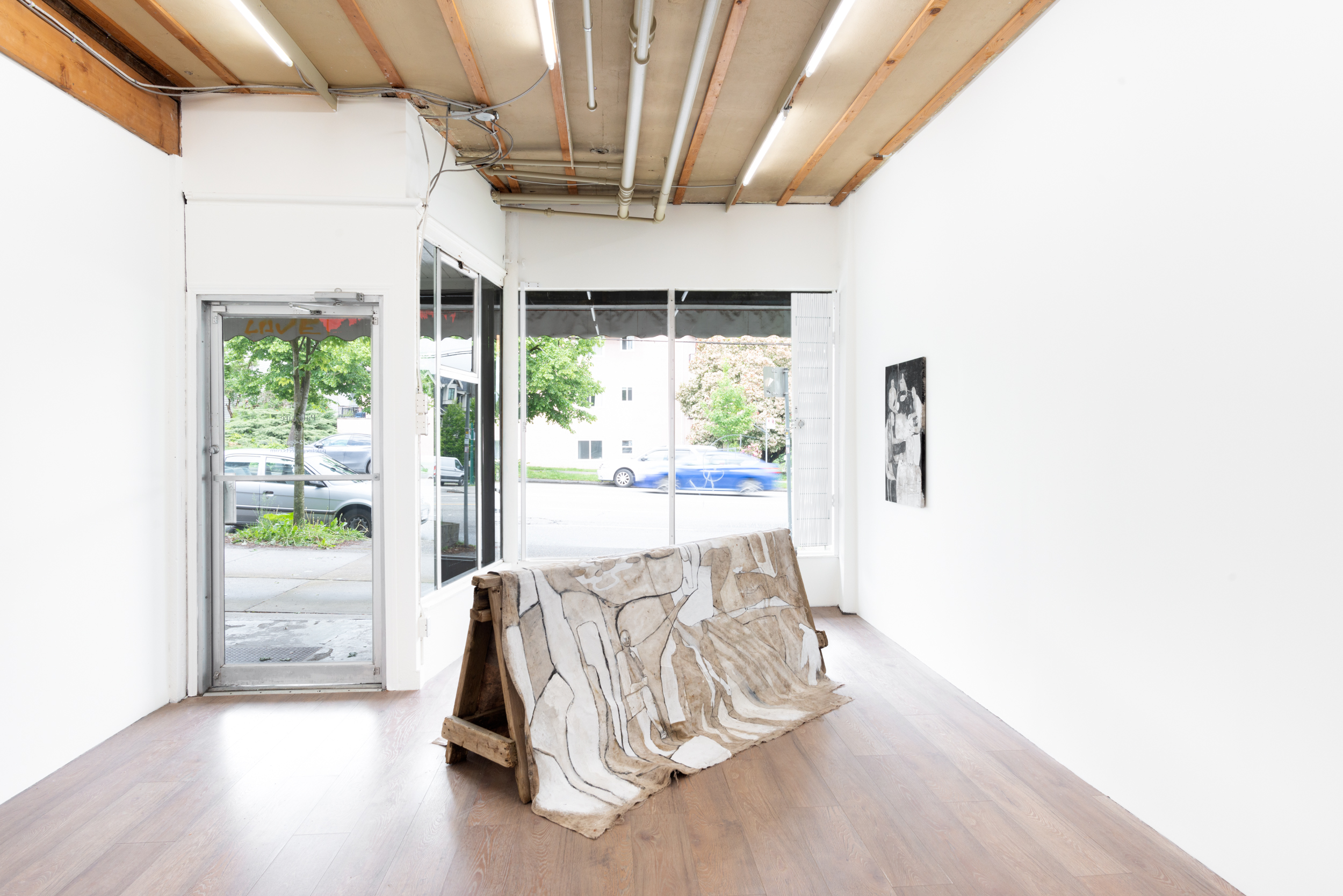
In his essay “The Work of Local Culture,” American writer and agrarian Wendell Berry recalls a galvanized bucket that hung from a fencepost on his grandfather’s farm in Kentucky. For over fifty years, he watched the bucket gather fallen leaves, feathers, nuts and bugs. These materials naturally composted over time into several inches of black humus. On this phenomenon, Berry reflects: “I recognize there an artistry and a farming far superior to mine, or to that of any human. … It has been at work immemorially over most of the land surface of the world. All creatures die into it, and they live by it.” He then observes that a similar process of social accretion, through sharing and circulating stories, is integral to creating a vital local culture and bonded community.
Janine Dunn has begun to share stories of daily life on her farm on the Sunshine Coast through painting. She draws on personal impressions of motherhood, animal husbandry, degradation and repair, shared labour and hospitality, and isolation and solitude. Dunn makes space for the work of dreams, symbols and archetypes to filter her narrative impulses. Influenced by the principles of the early twentieth-century purism movement, which valued basic forms stripped of decoration, she uses methods such as bisection, redaction and abstraction to distill her compositions into simplified figures.
Janine Dunn is an artist and farmer living in Gibsons, BC. Her work is inspired by her environment, agrarian culture and her community. Her paintings are suffused with people, animals, plants, rural architecture, machinery and tools. She works with industrial, agricultural and domestic materials and collaborates with the weather and elements to develop her canvases. In 2023, Dunn won a commission to create a permanent public art sculpture, called The Landing Eye, for the town of Gibsons.