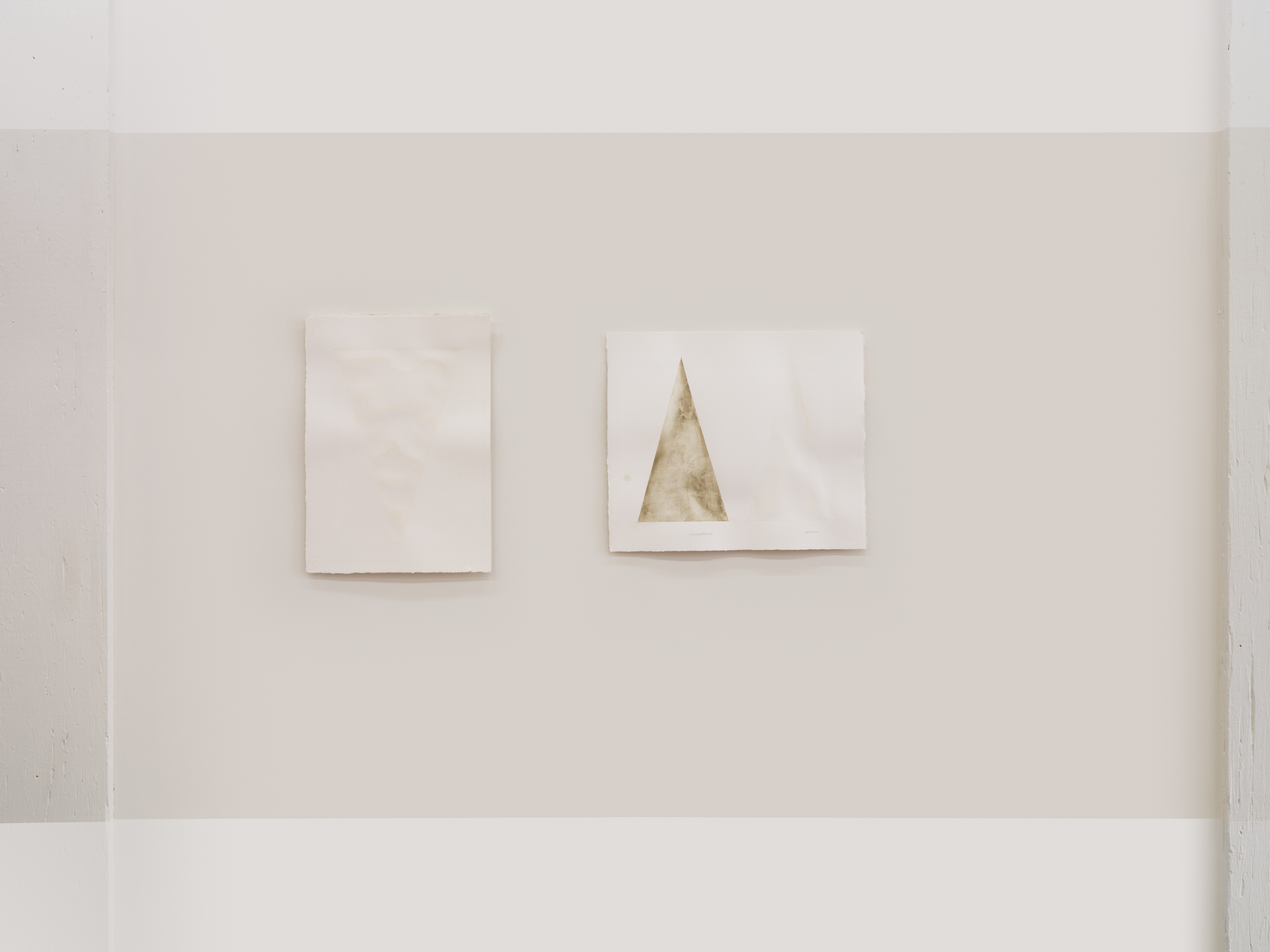
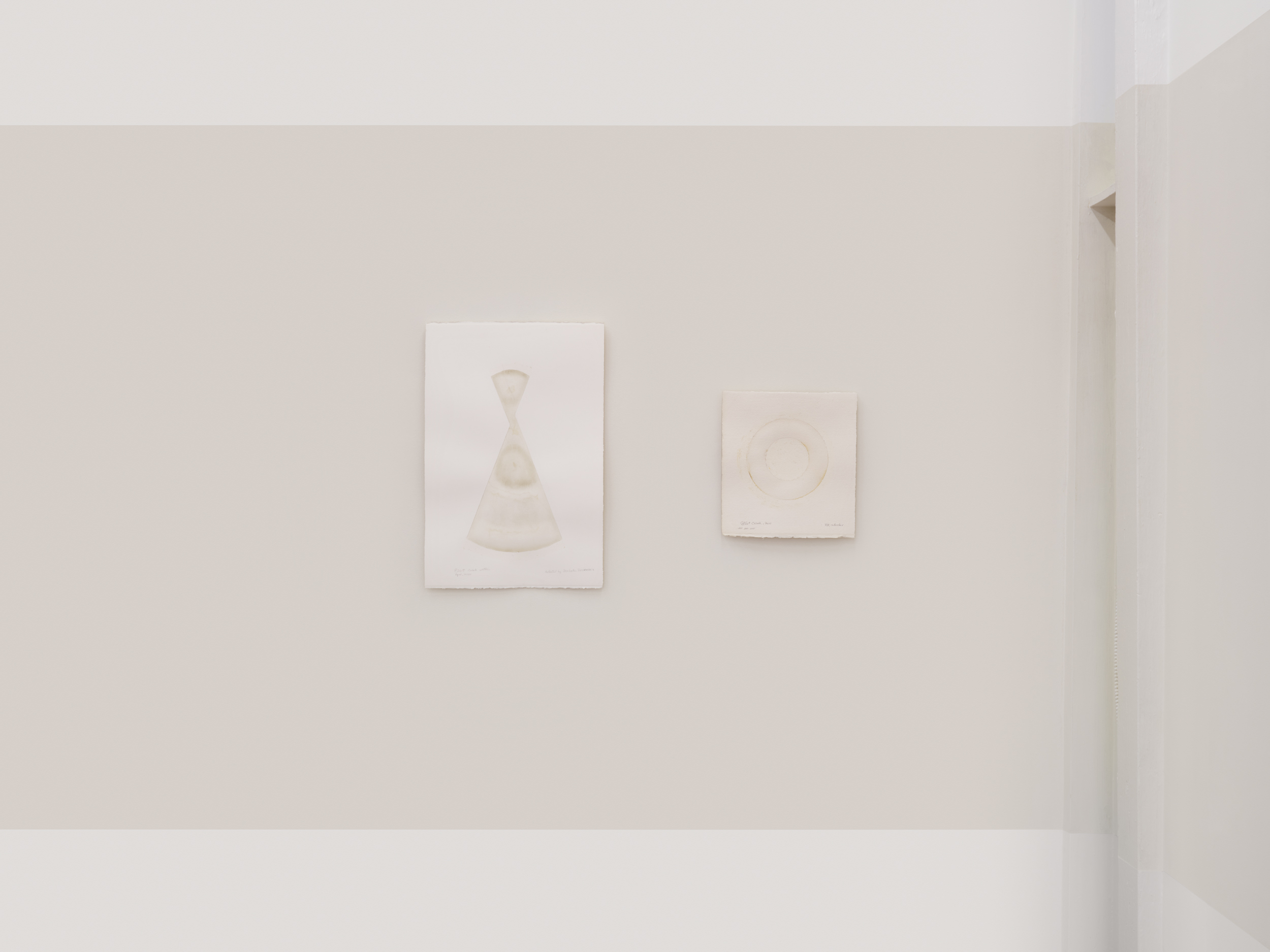
![Judith Williams, Southgate River (two upright triangles), 2021. 48.5 x 57 cm / 19 x 22 1/4 in. River water after 2021 Elliot Creek landslide [Left triangle was collected downstream from the landslide and right triangle was collected upstream from landslide]. Collected by Isabelle Desmarais.](https://freight.cargo.site/t/original/i/70a79e7edd43e272d05a48cf7e71ef07395d232d4382942adebbe5fe6f671f4c/Judith-Wililams_WATER--COLOUR_Southgate-River_two-upright-triangles_2021.jpg)
Judith Williams: WATER / COLOUR
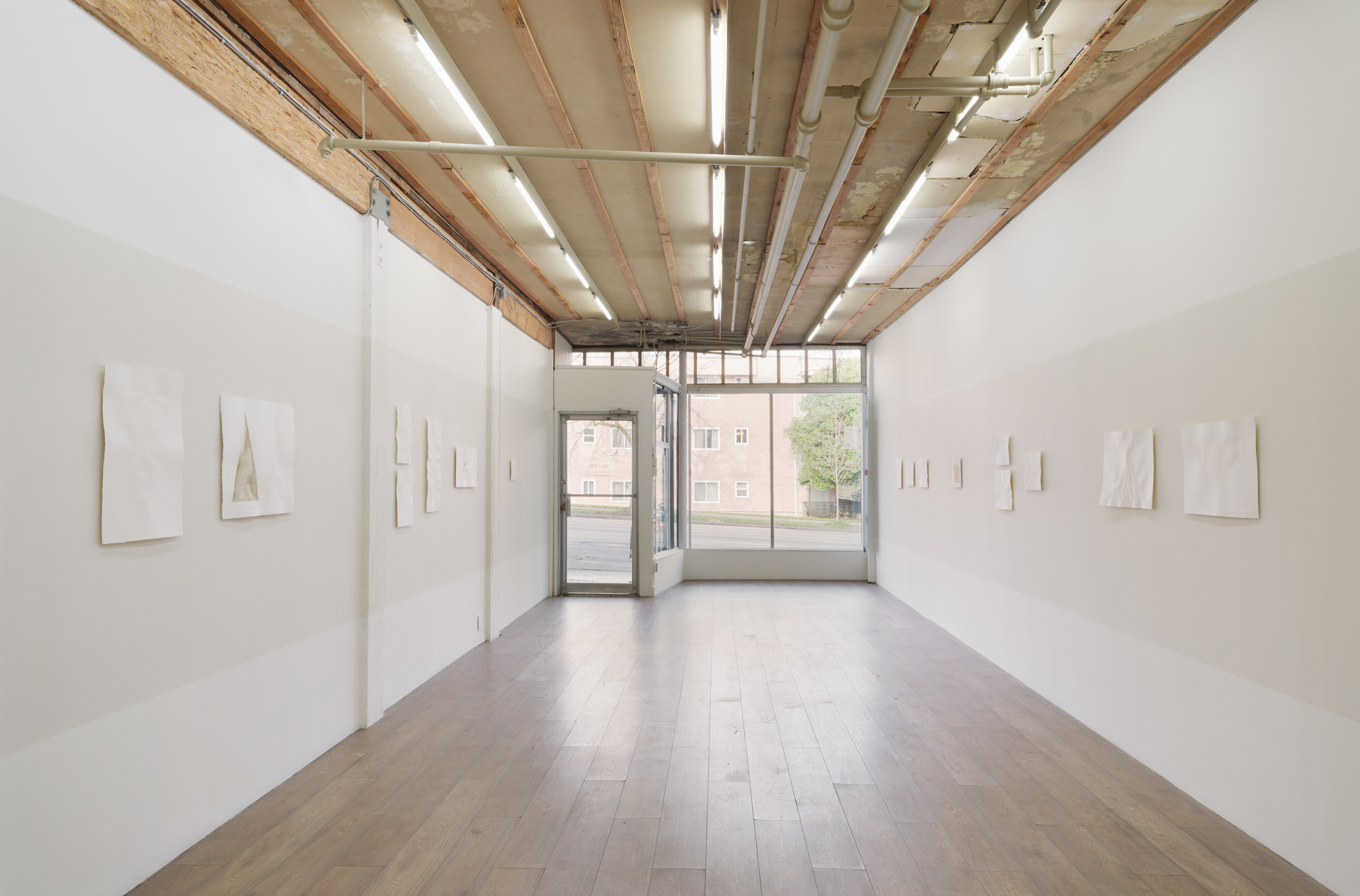
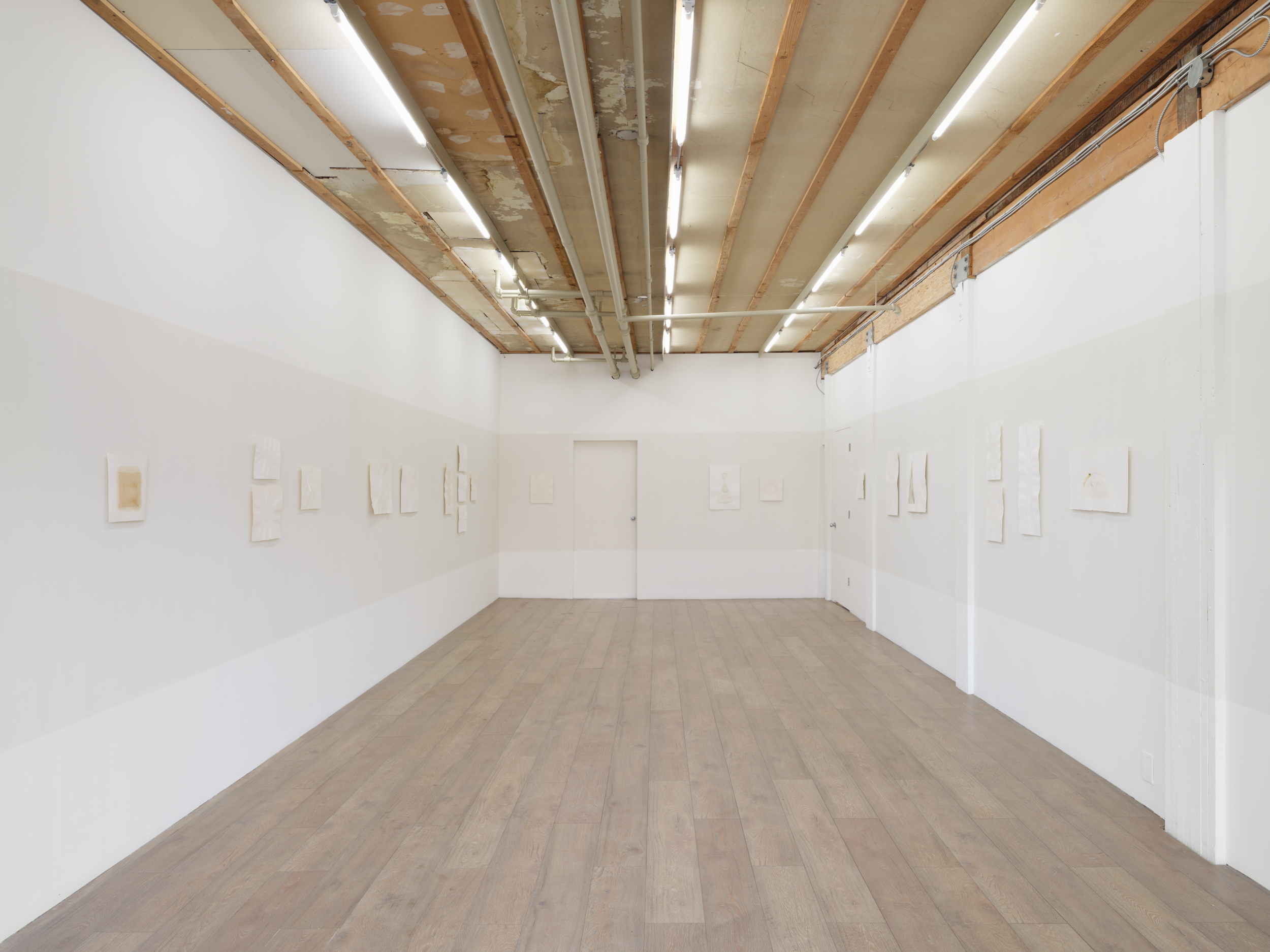
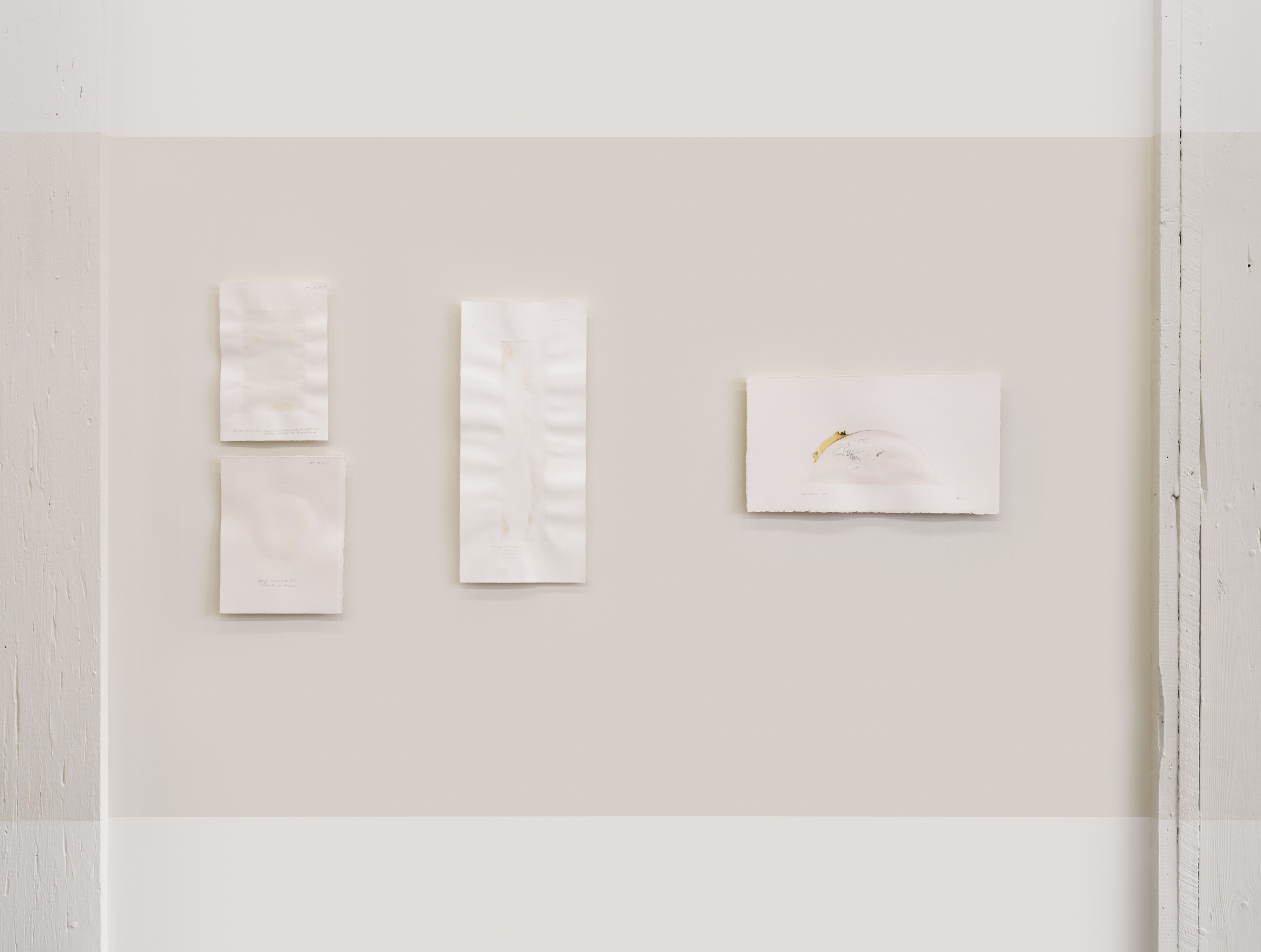
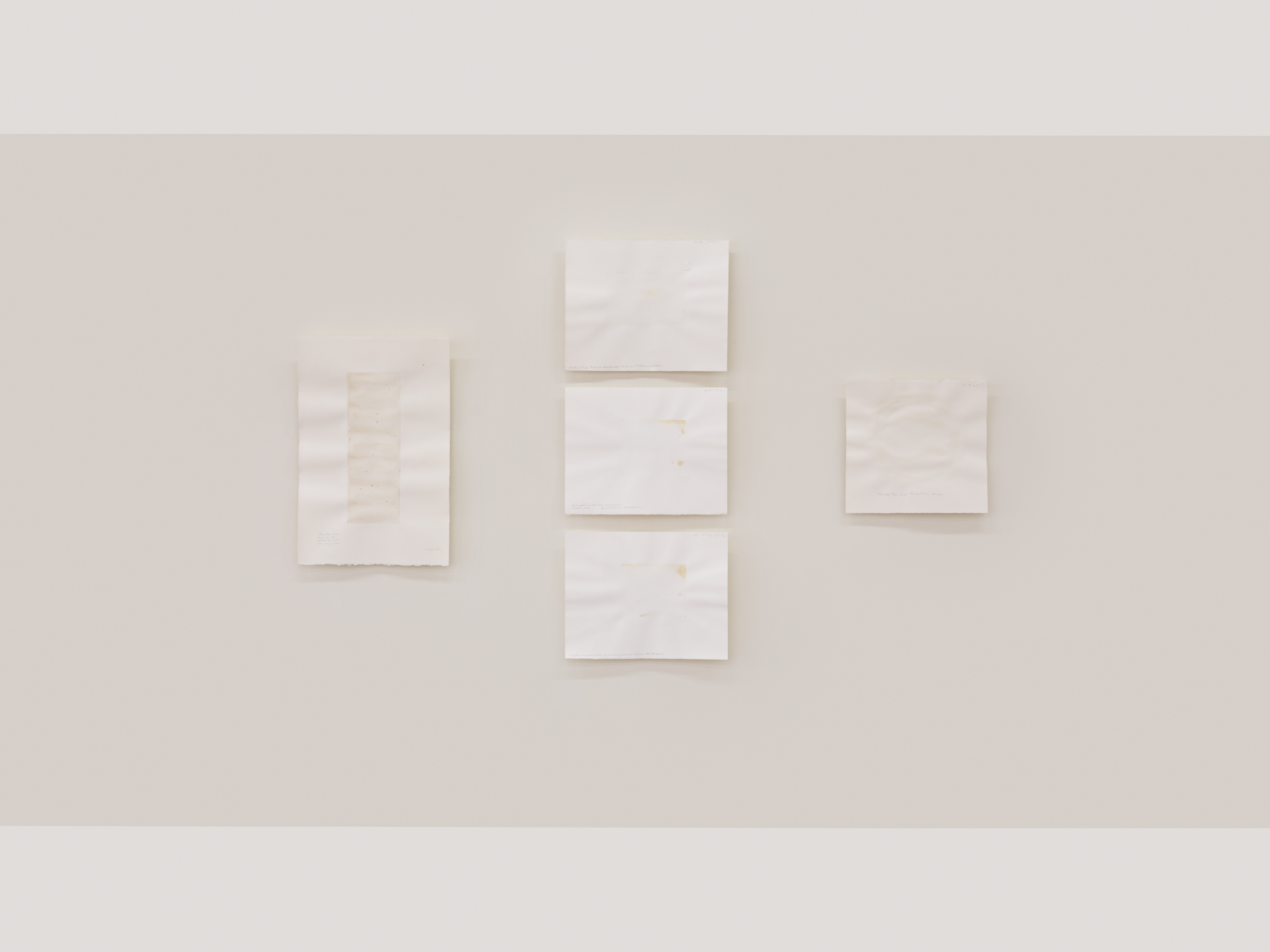
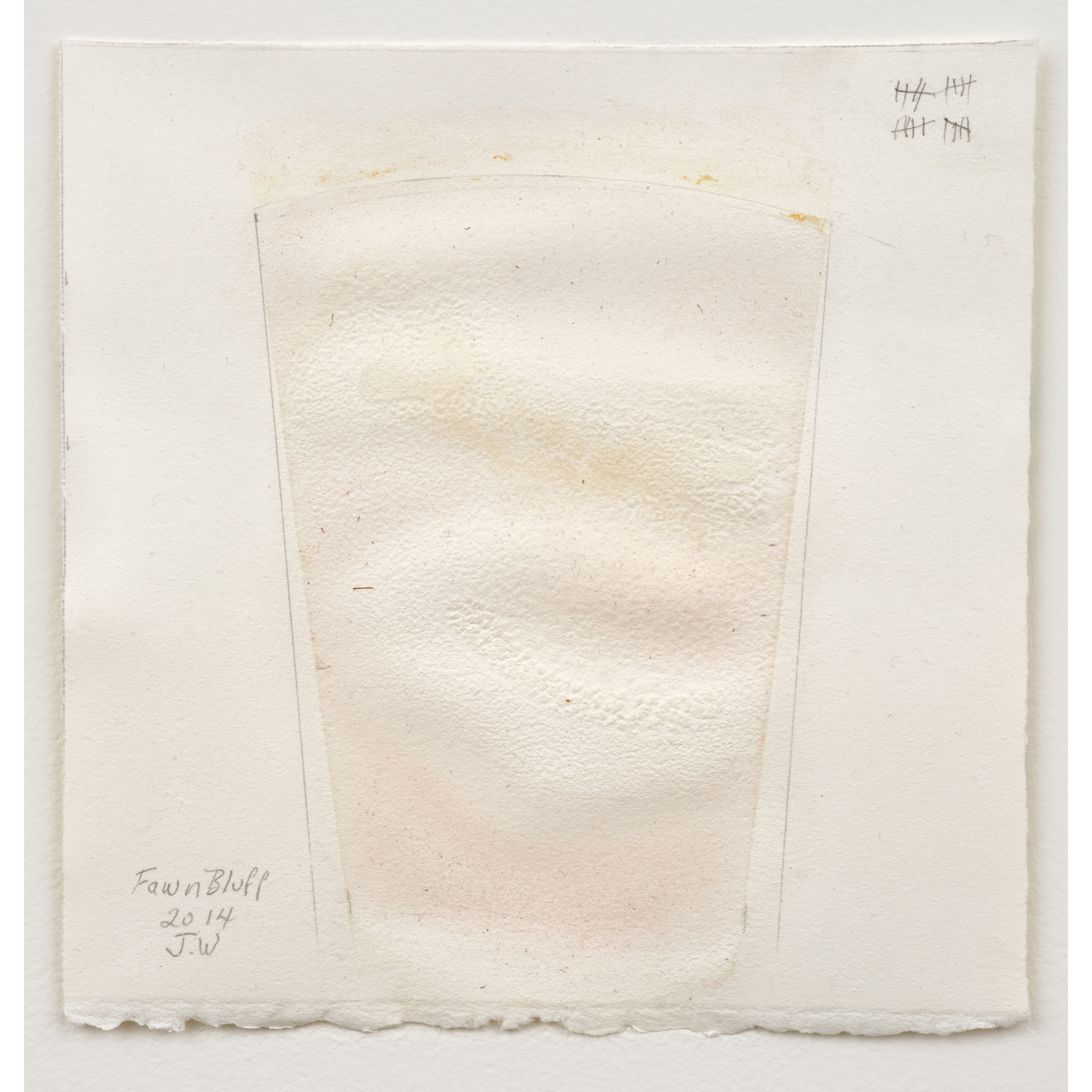
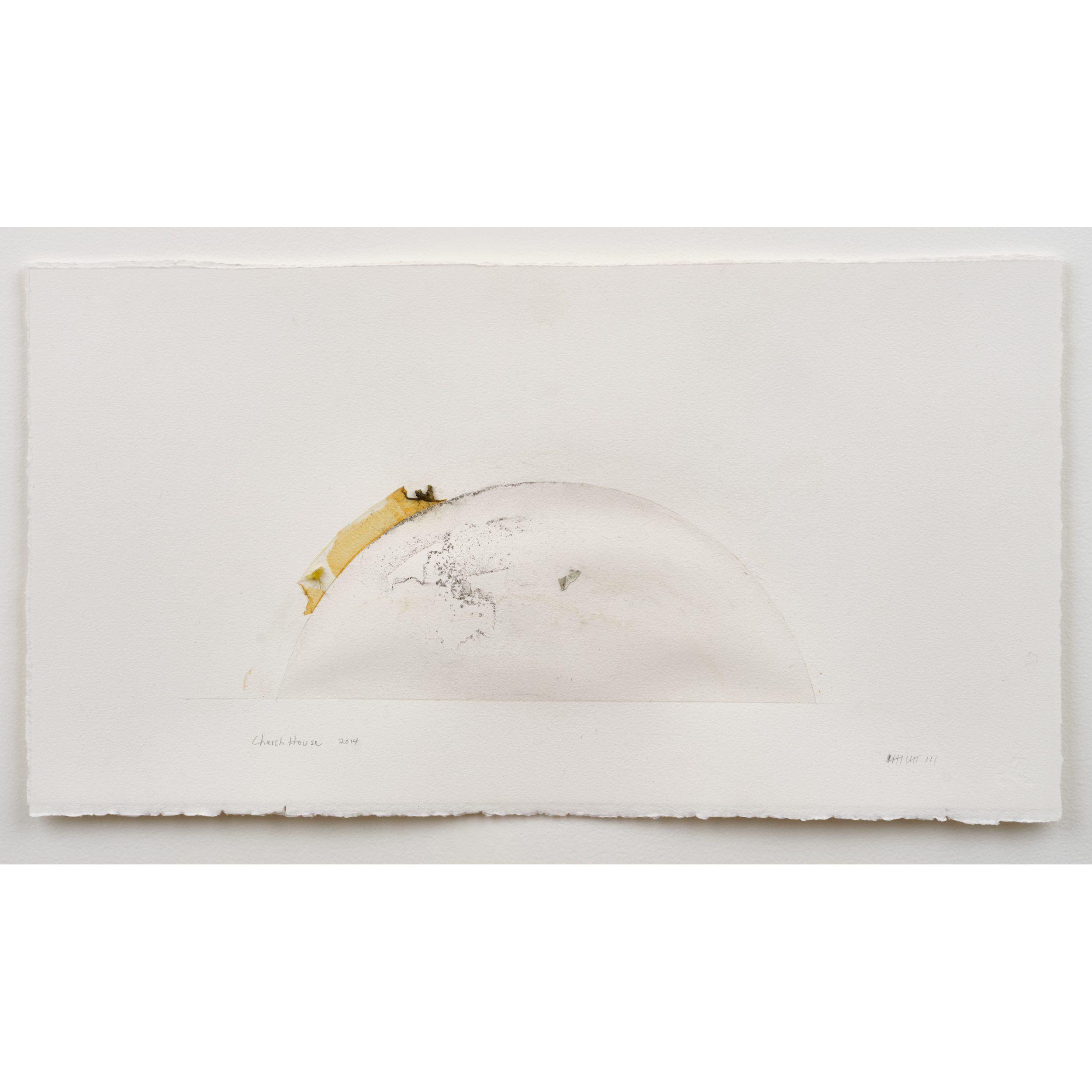
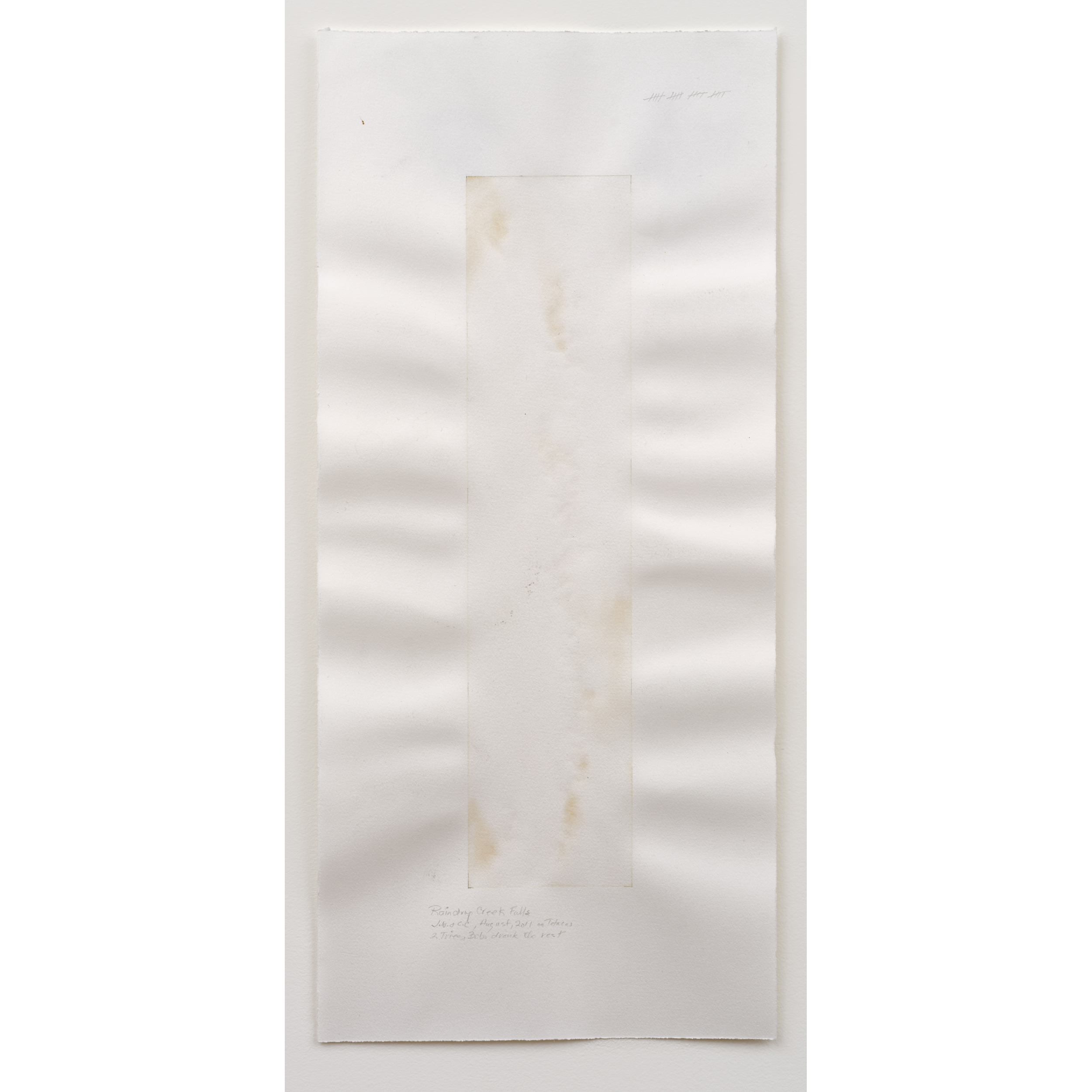
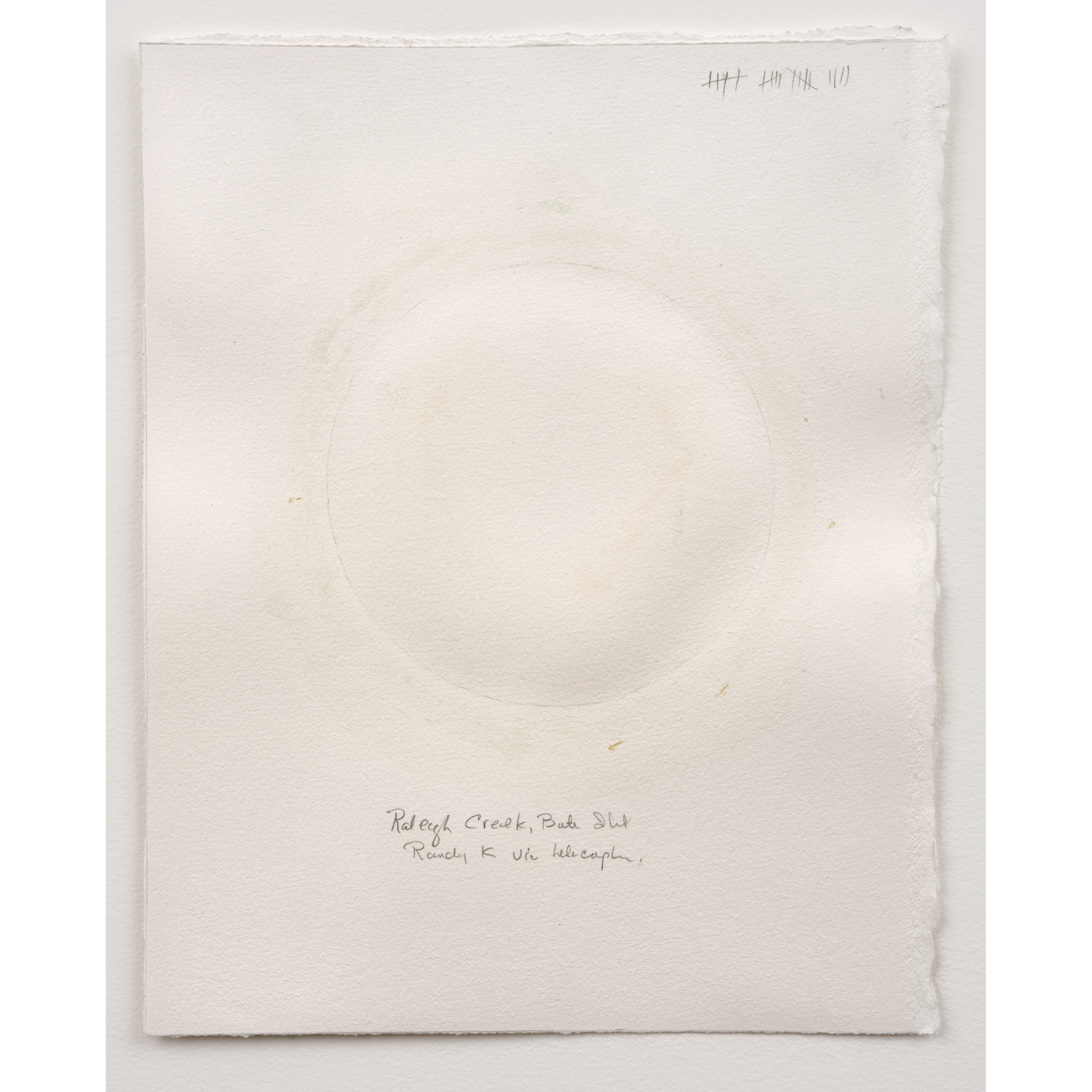
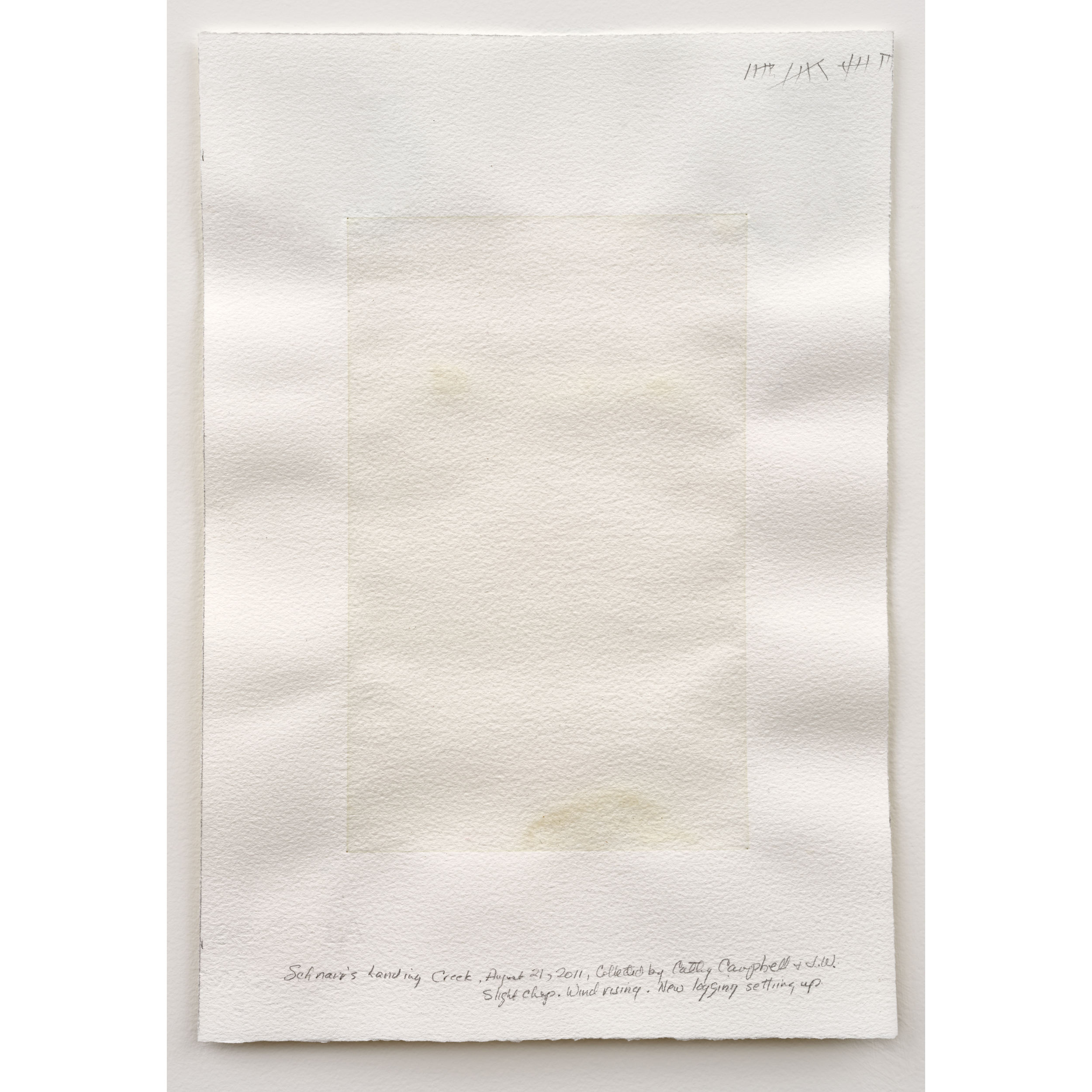
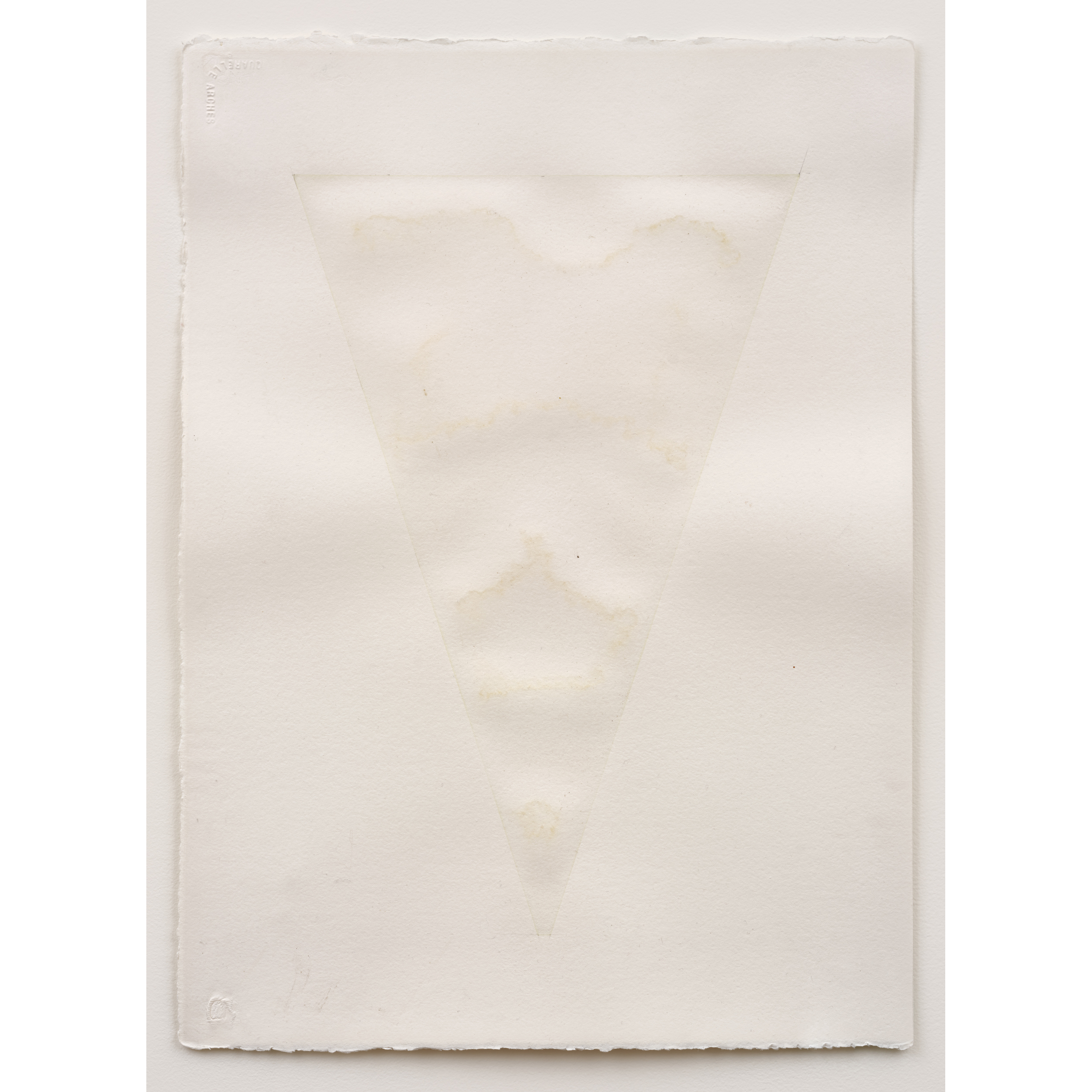
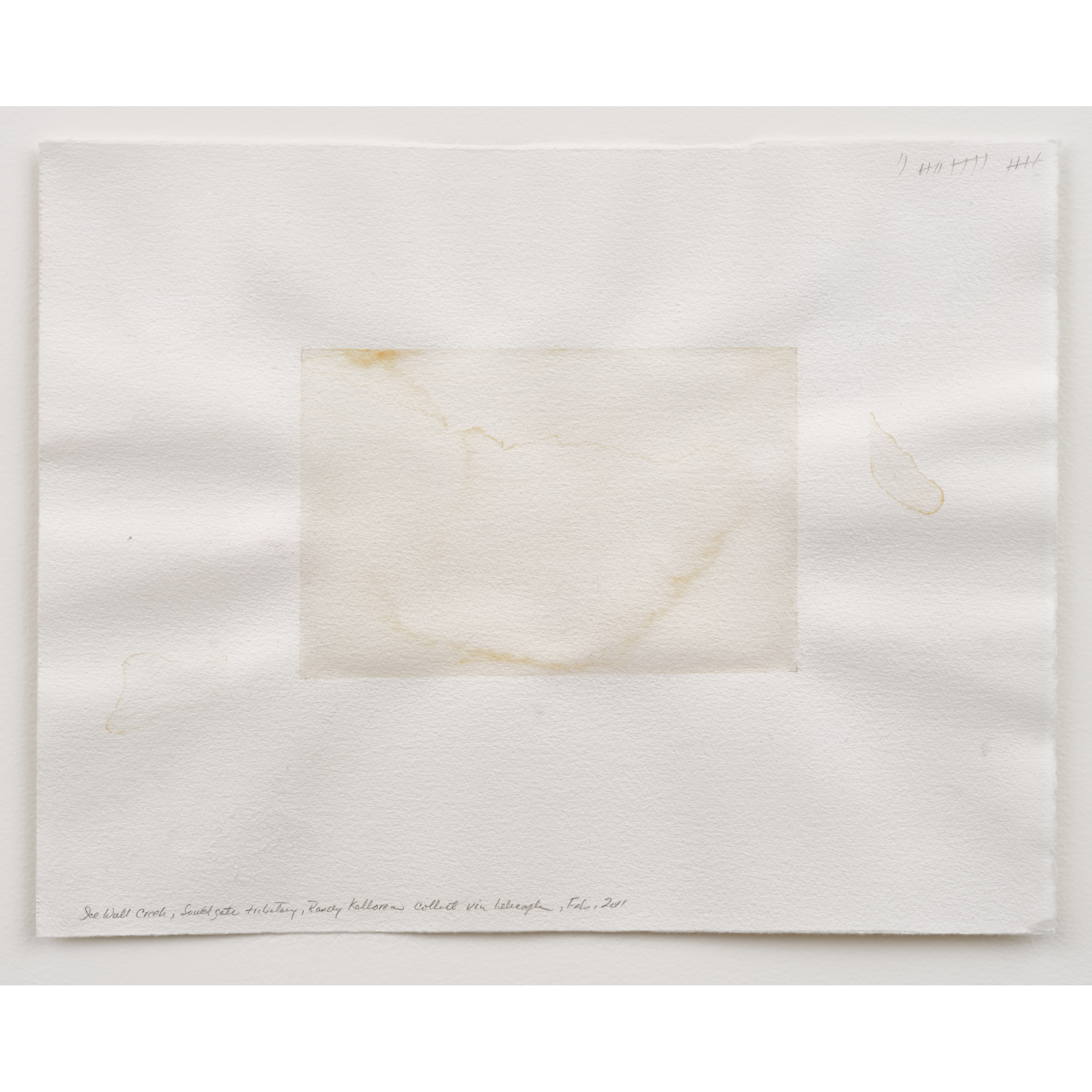
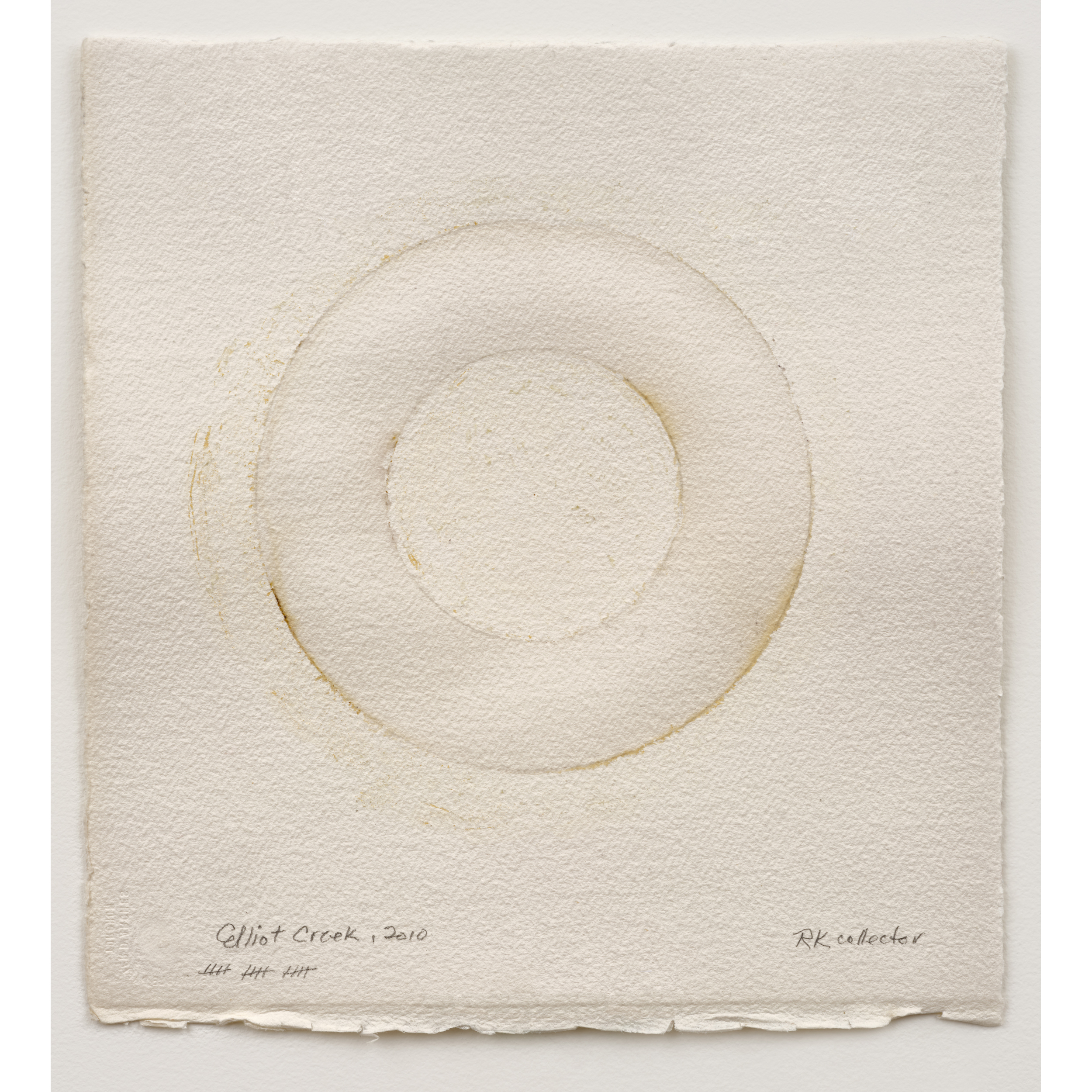
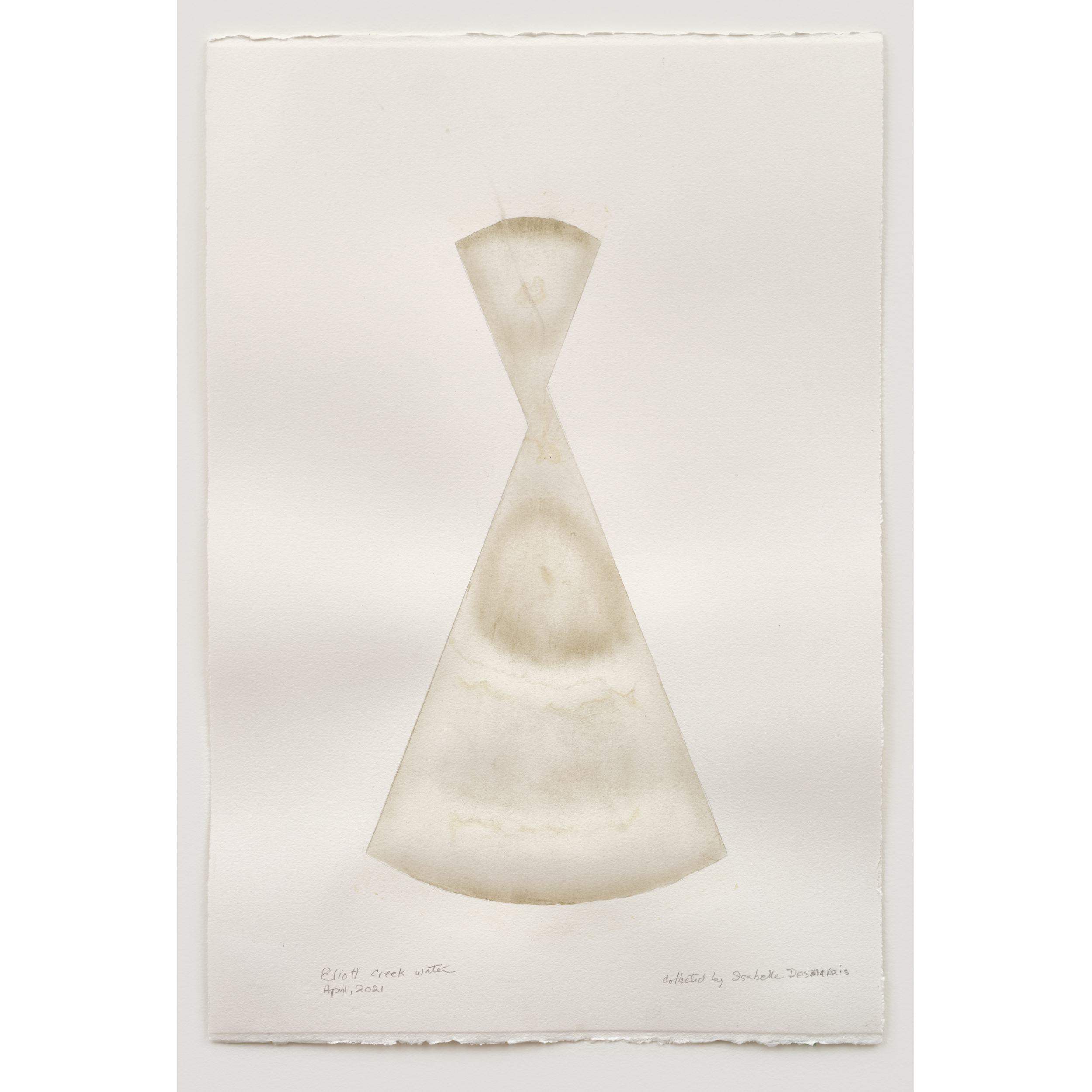
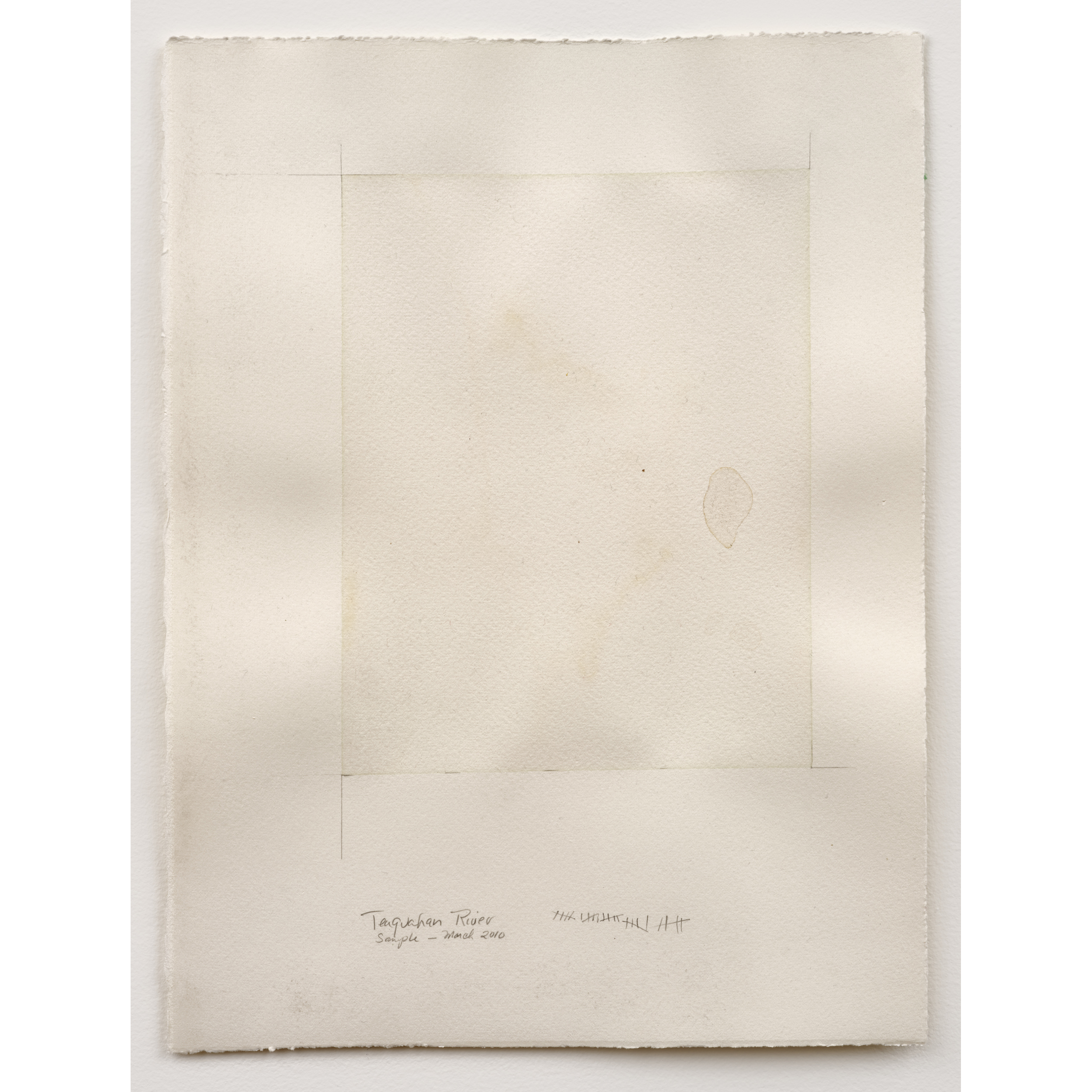
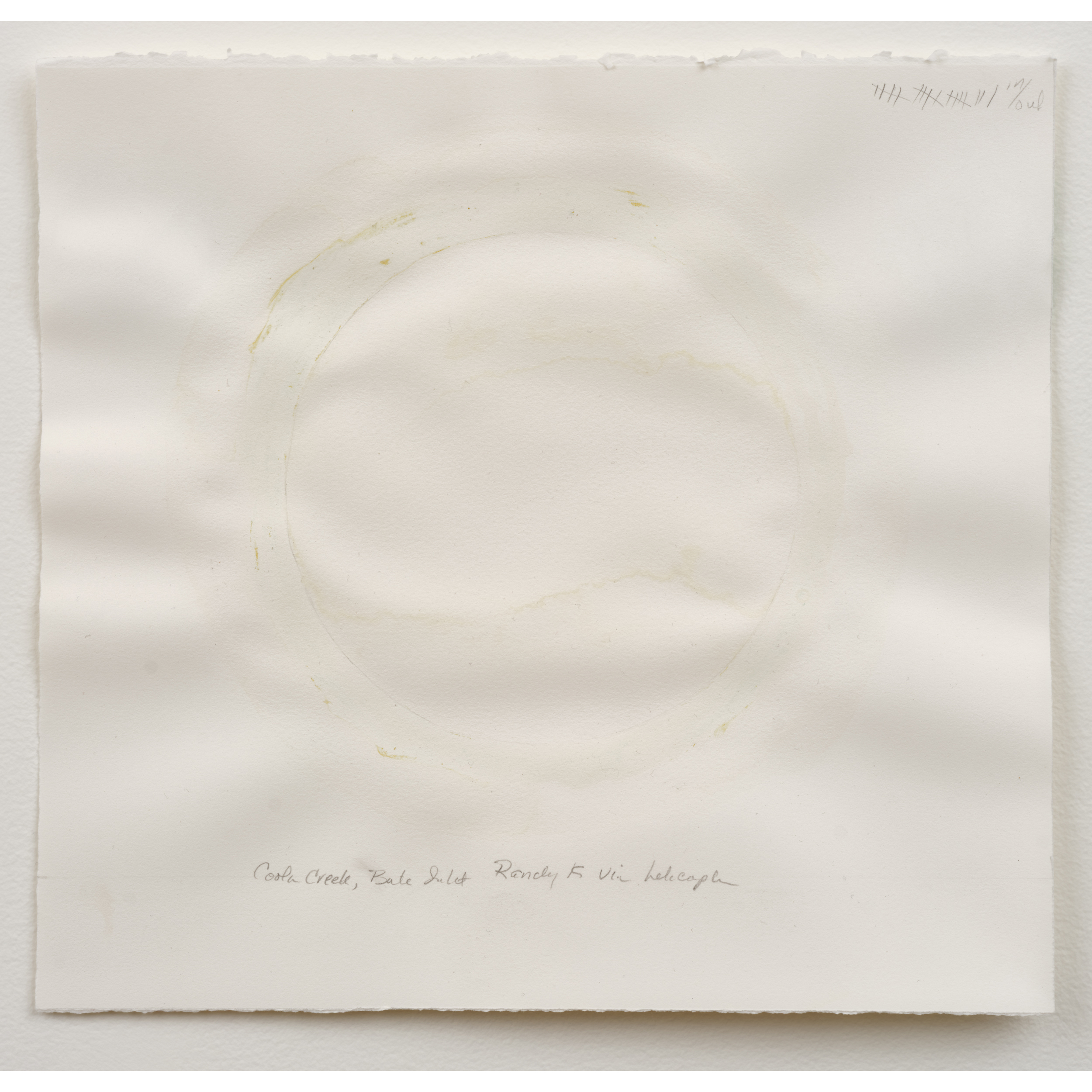
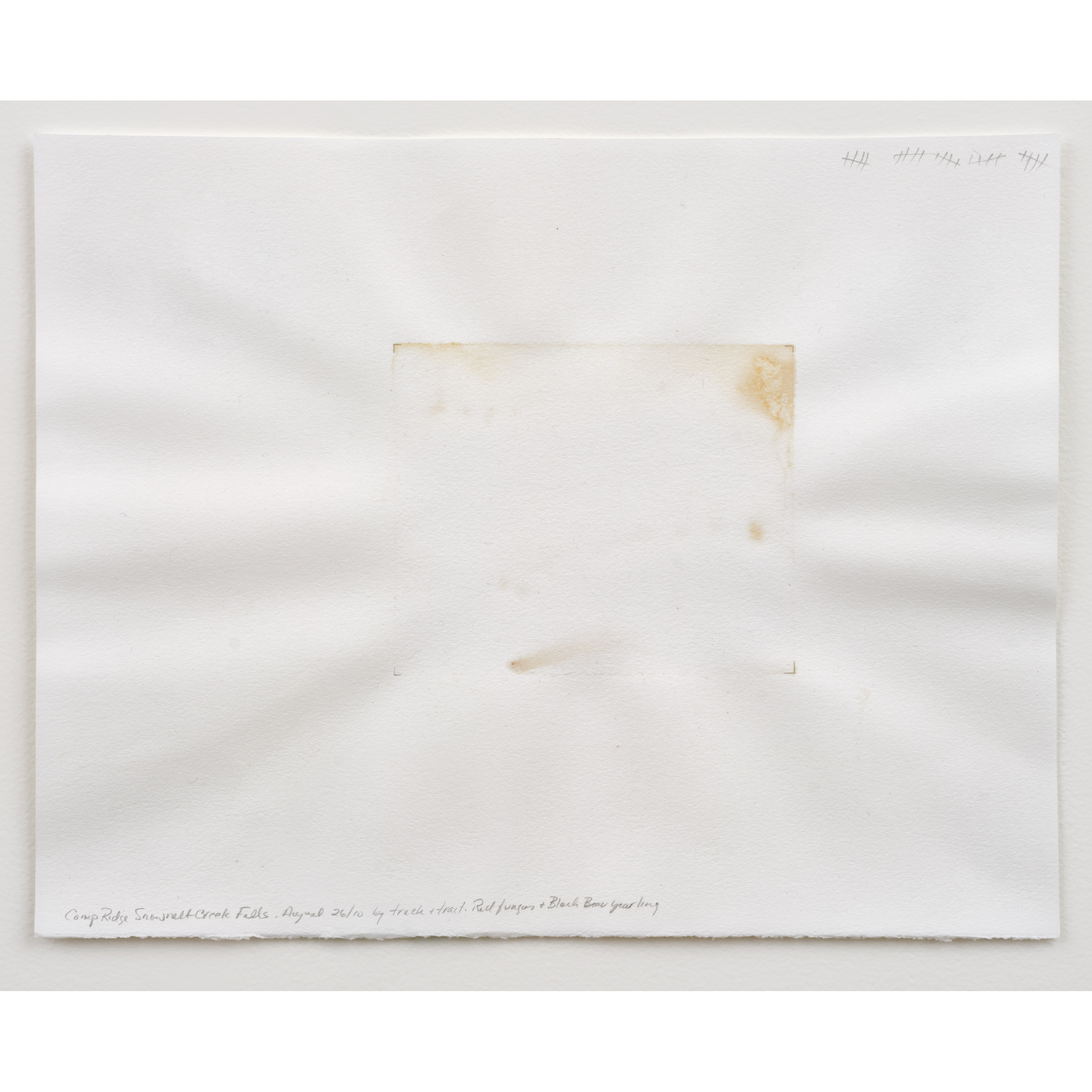
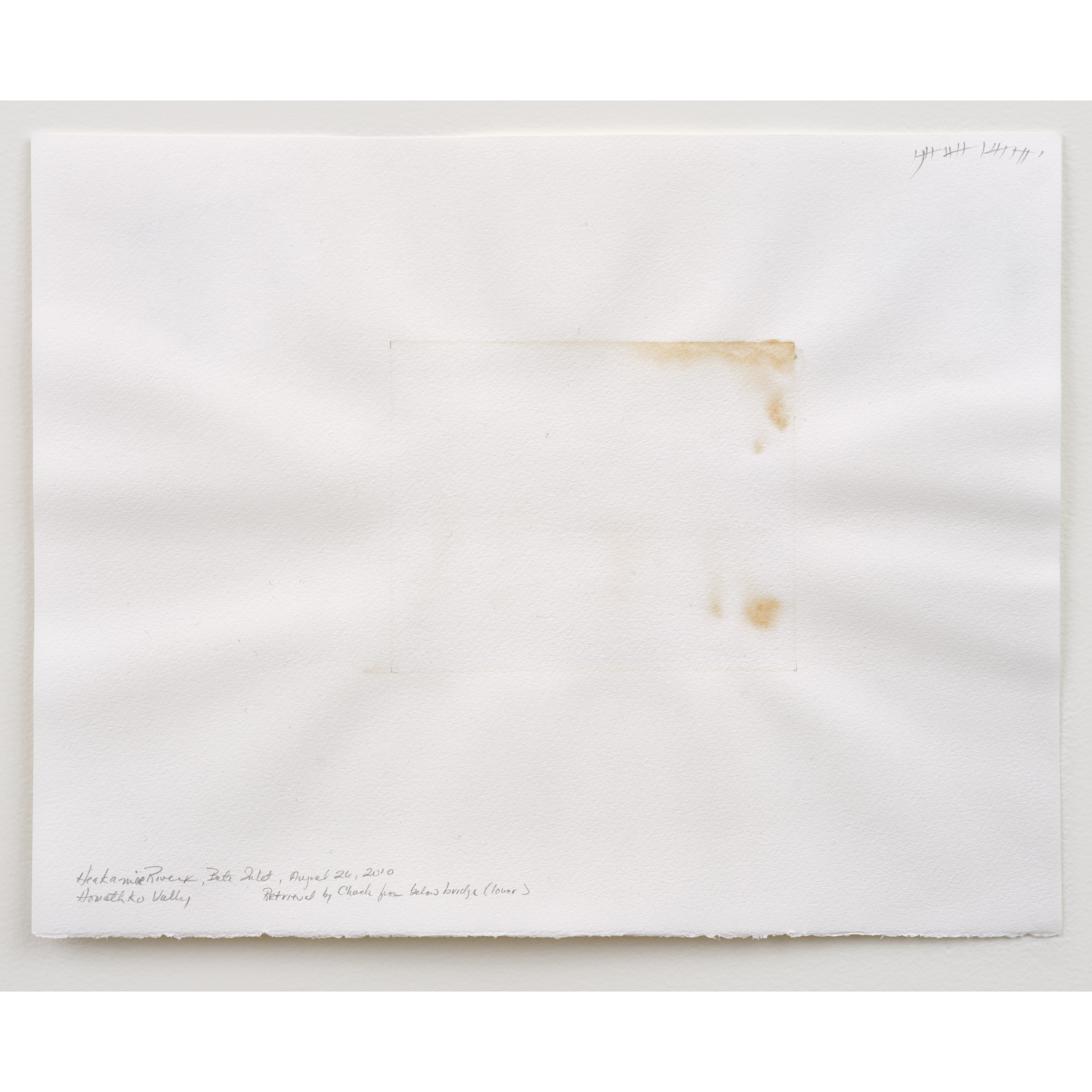
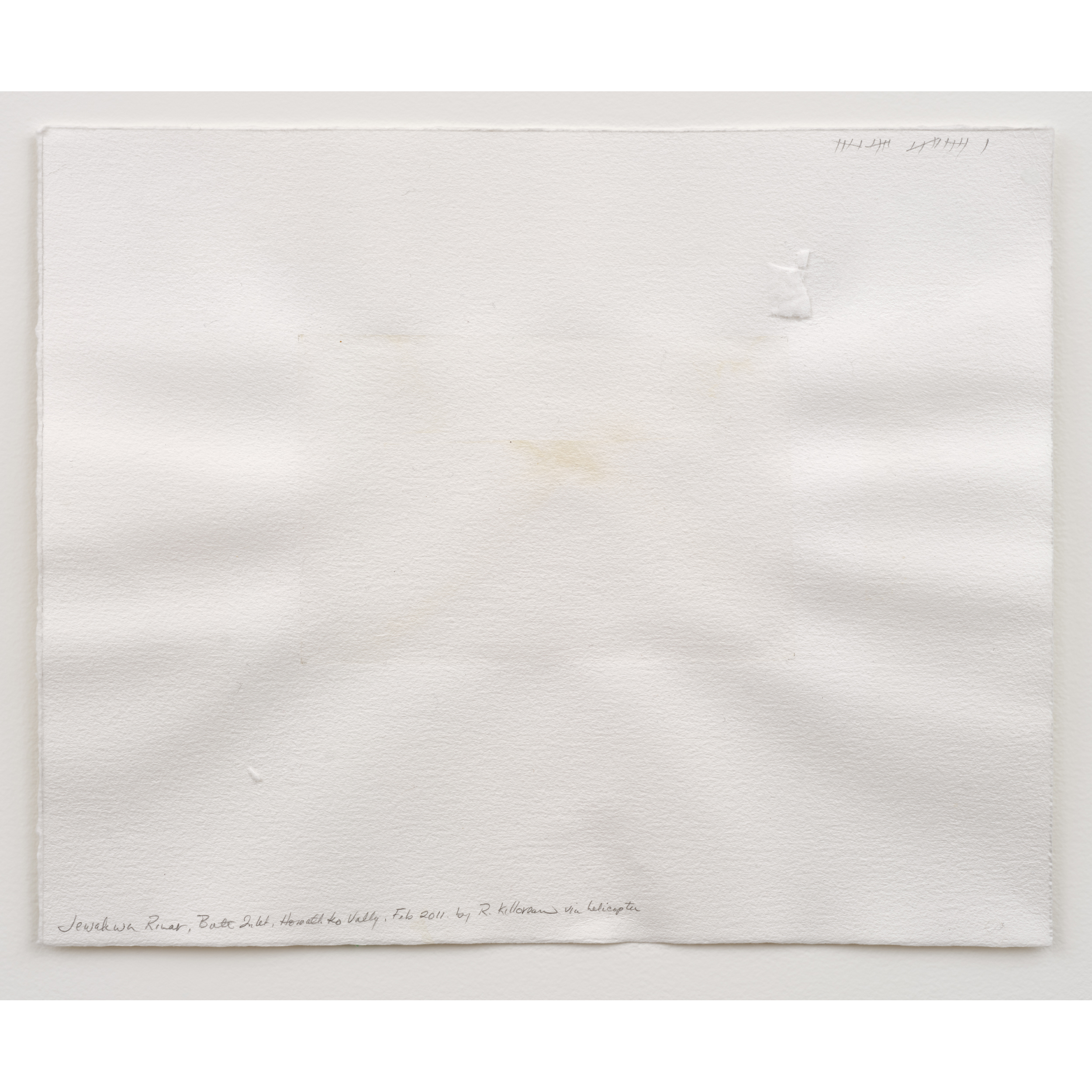
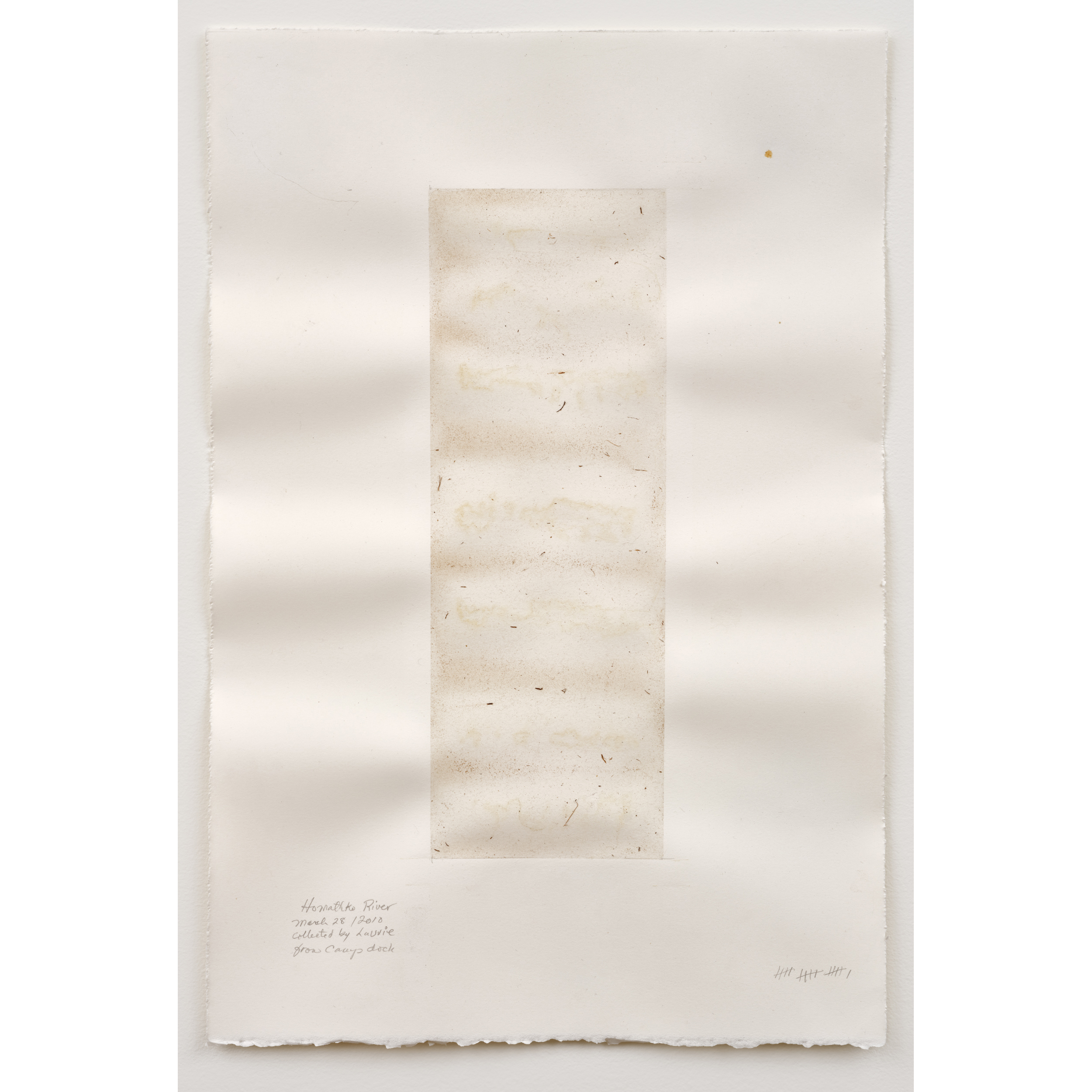
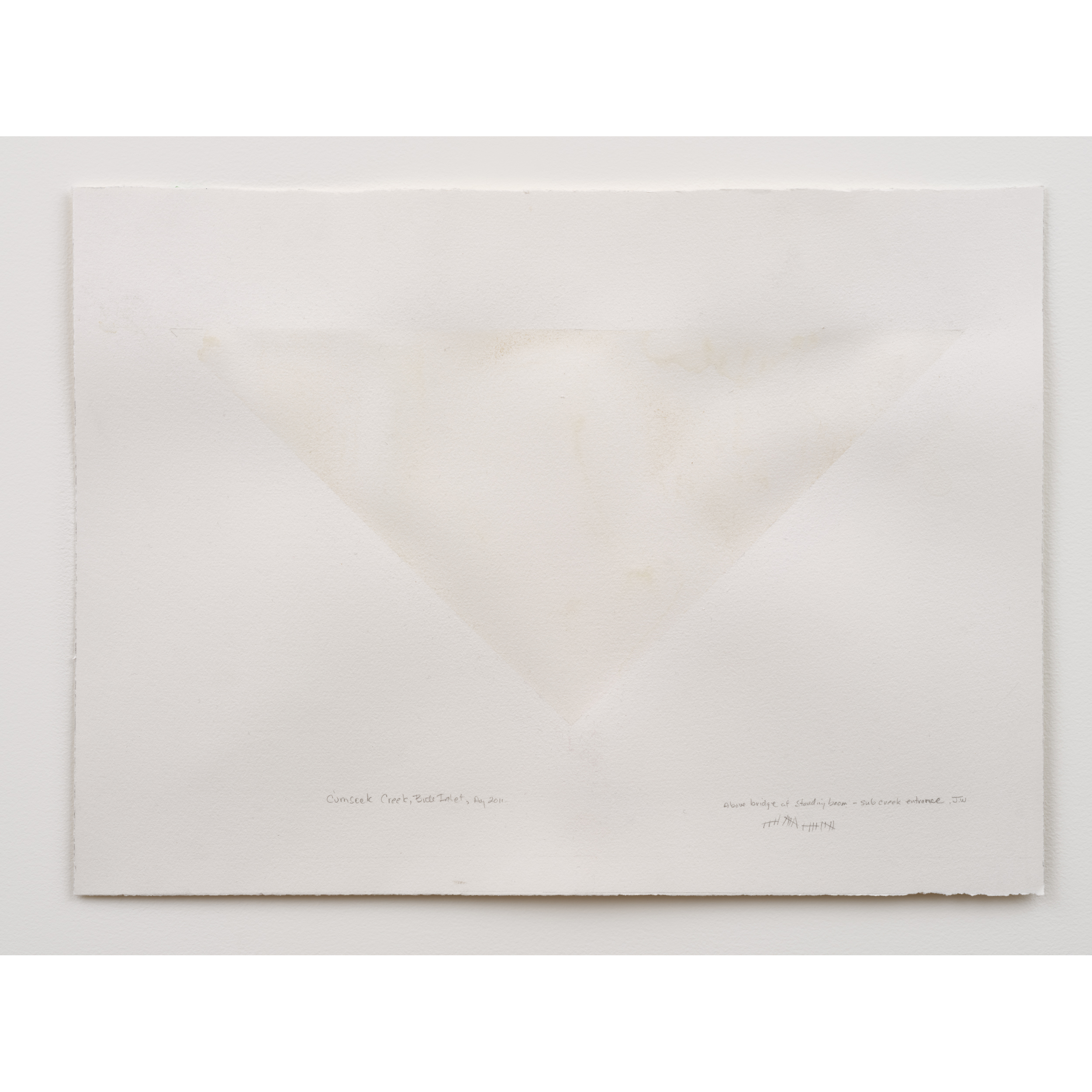
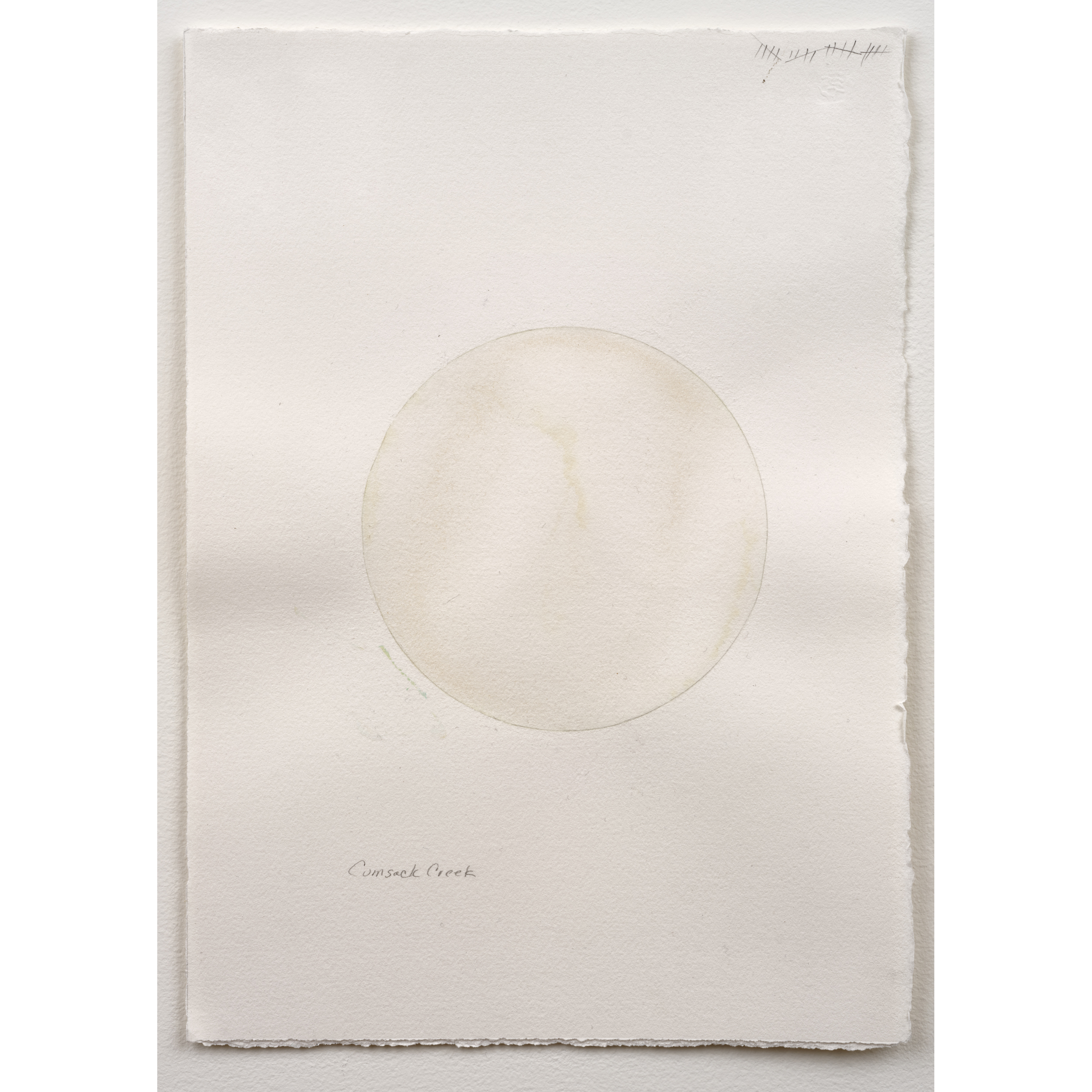
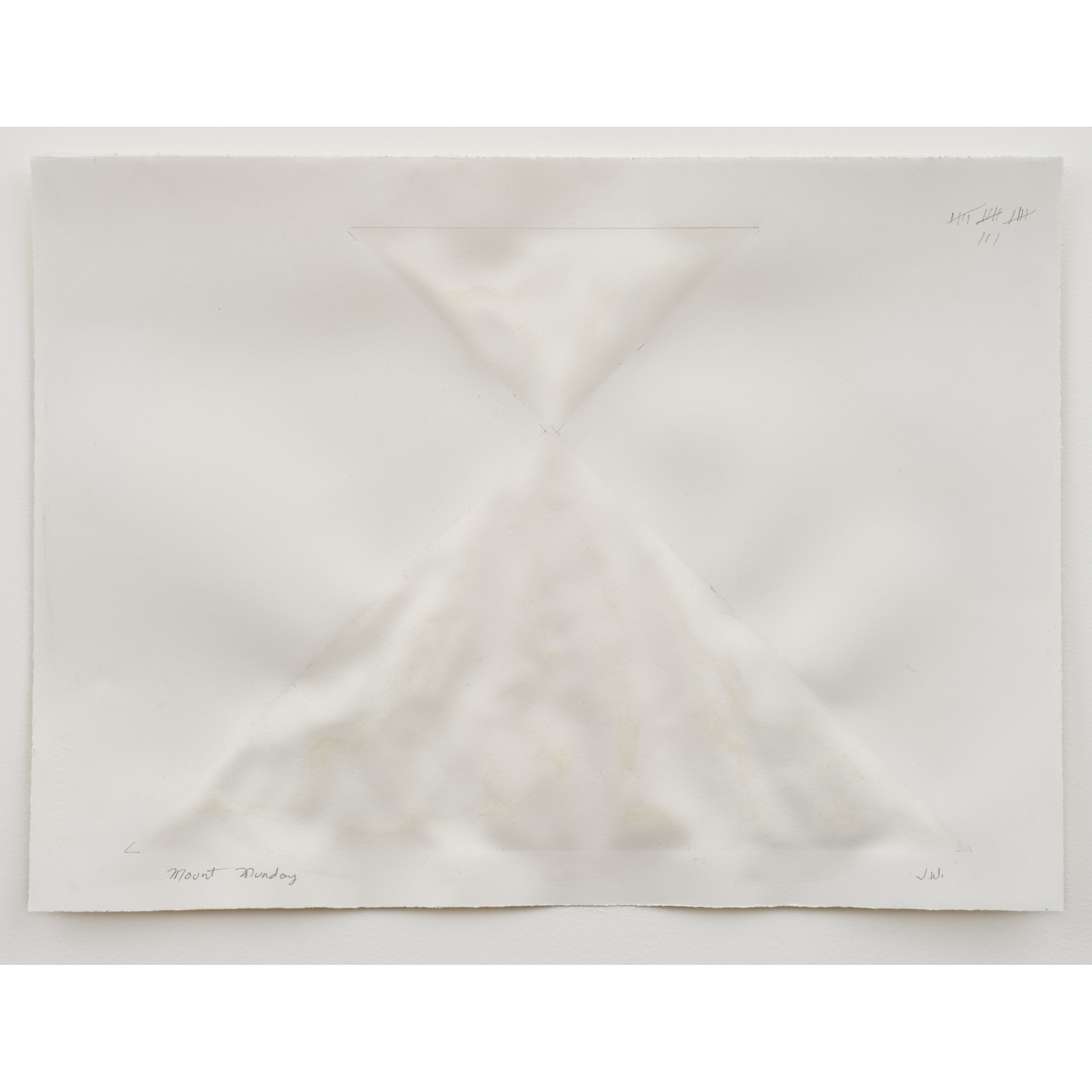
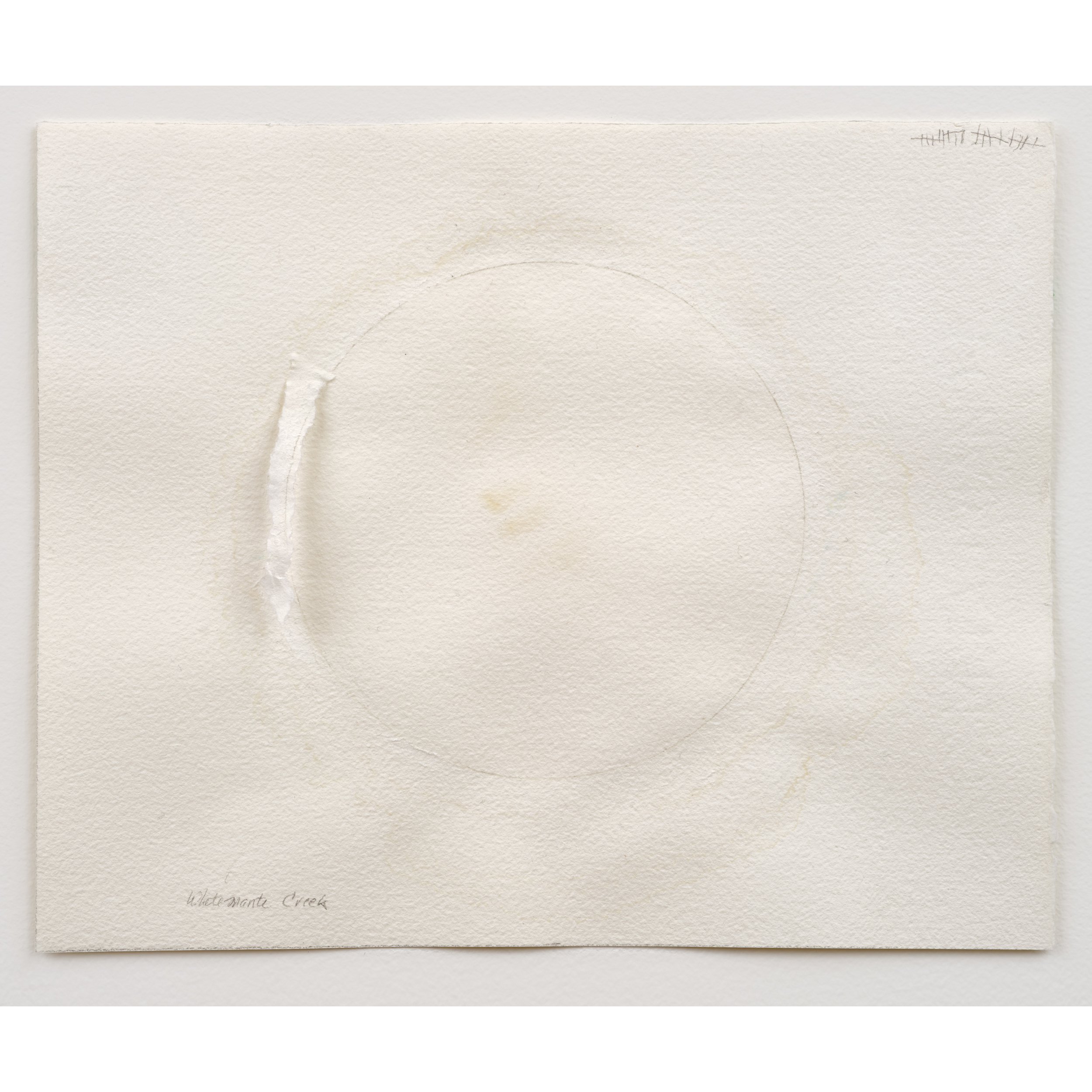
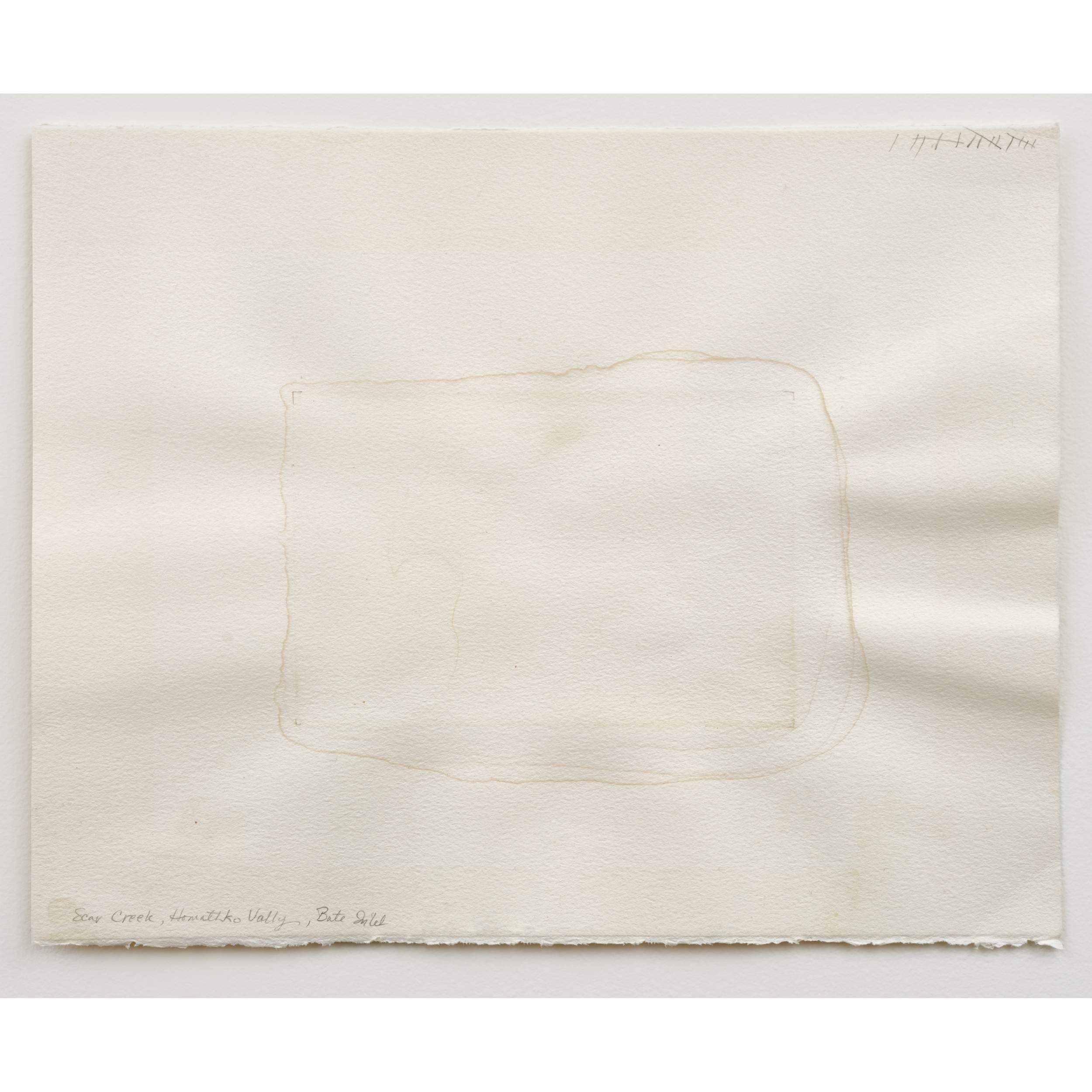
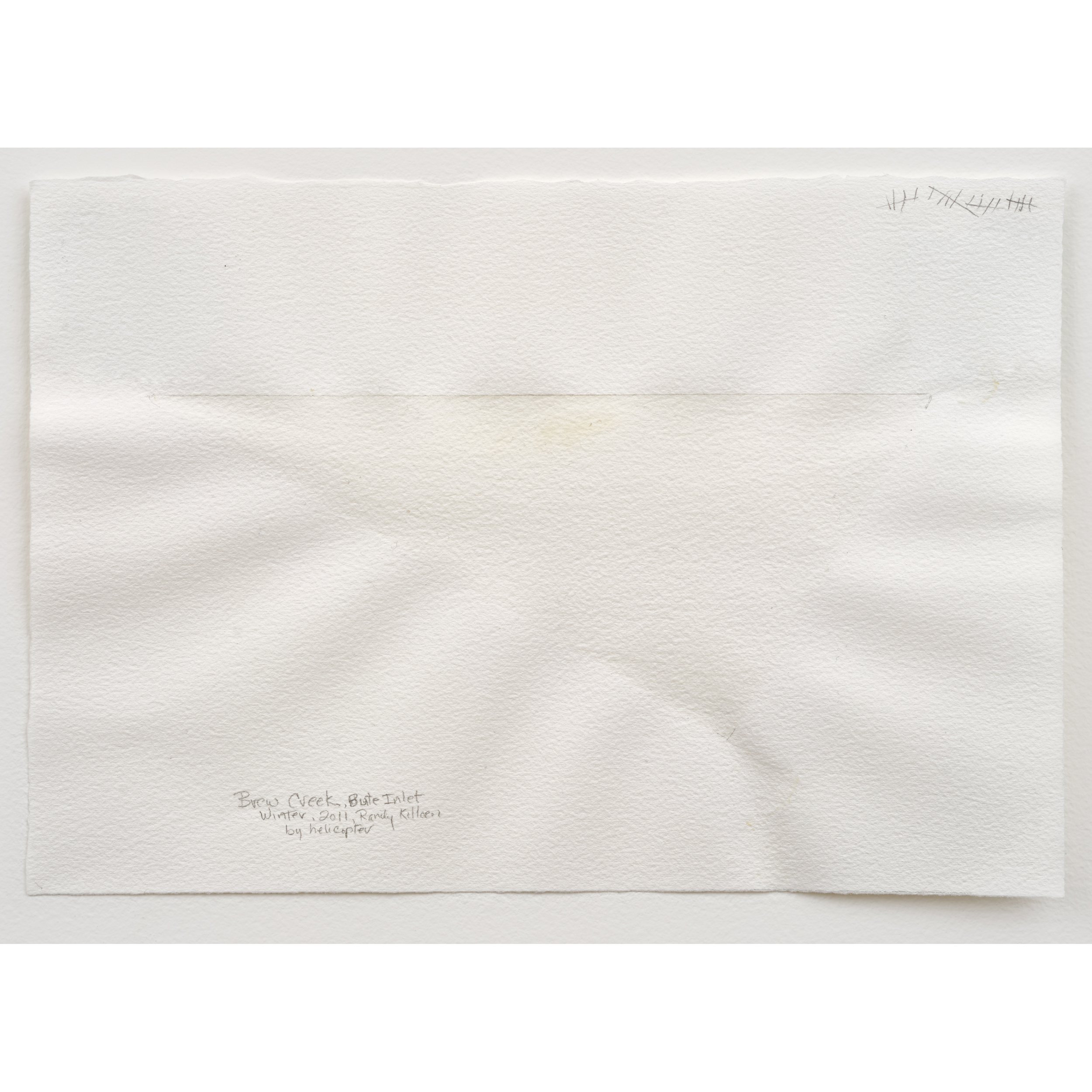
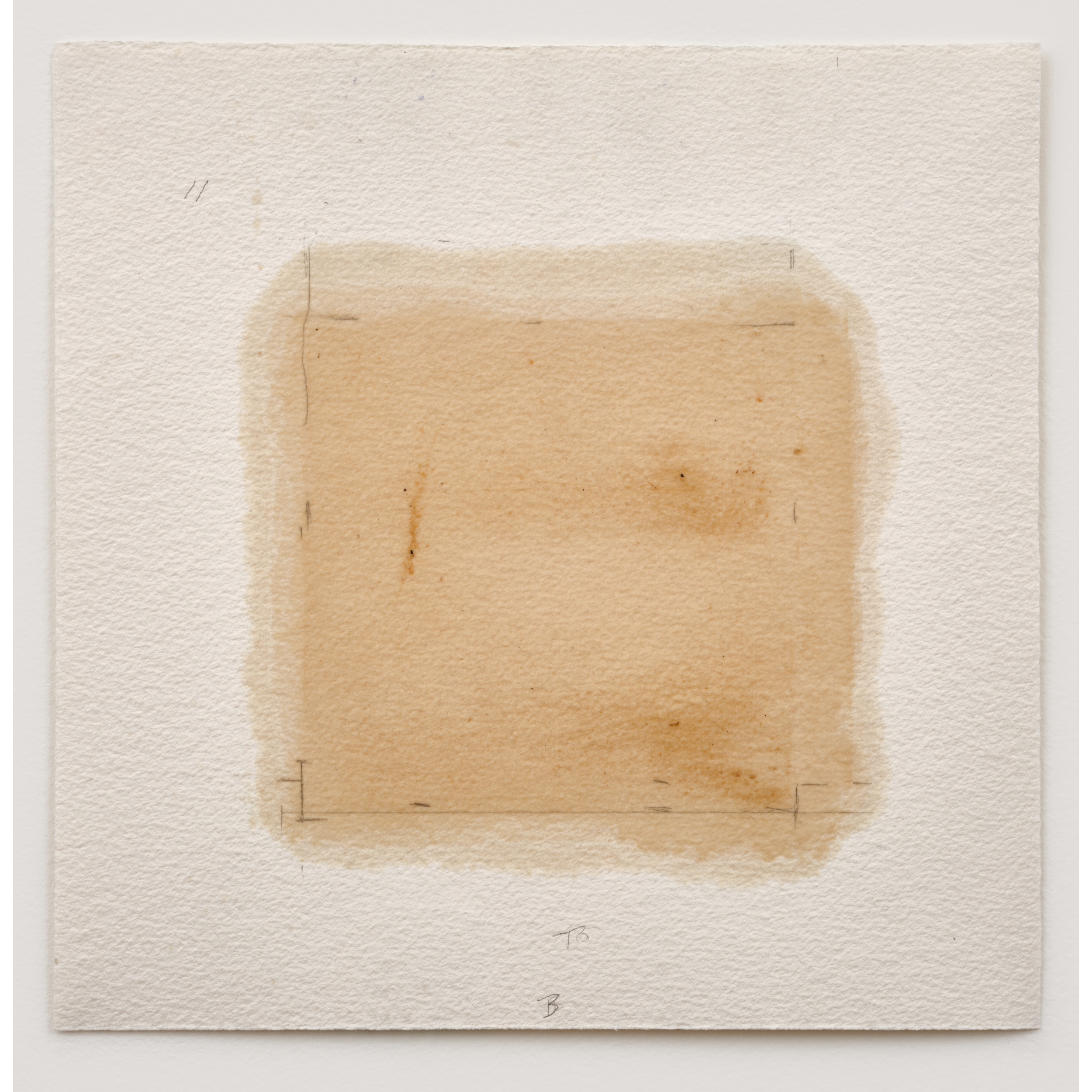
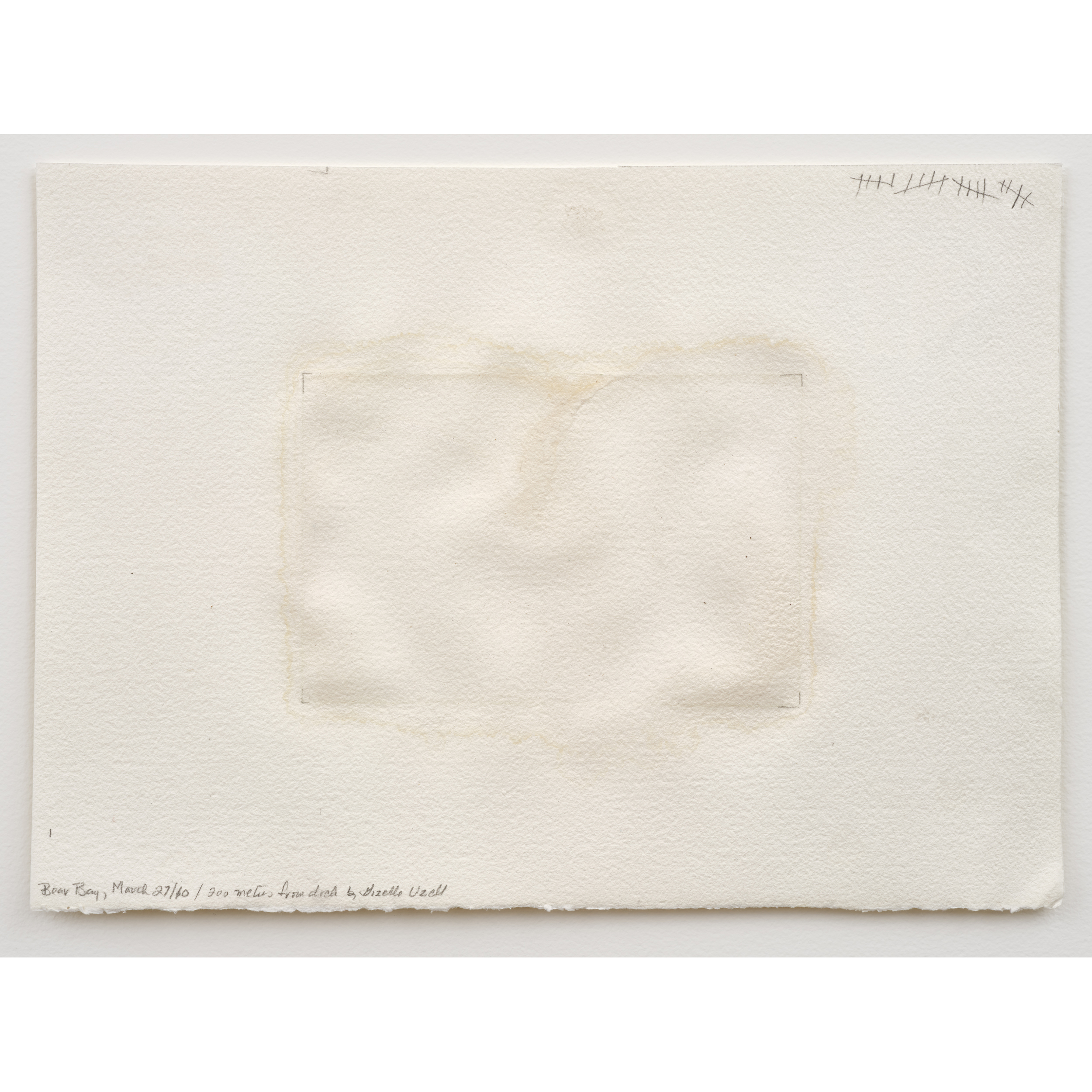
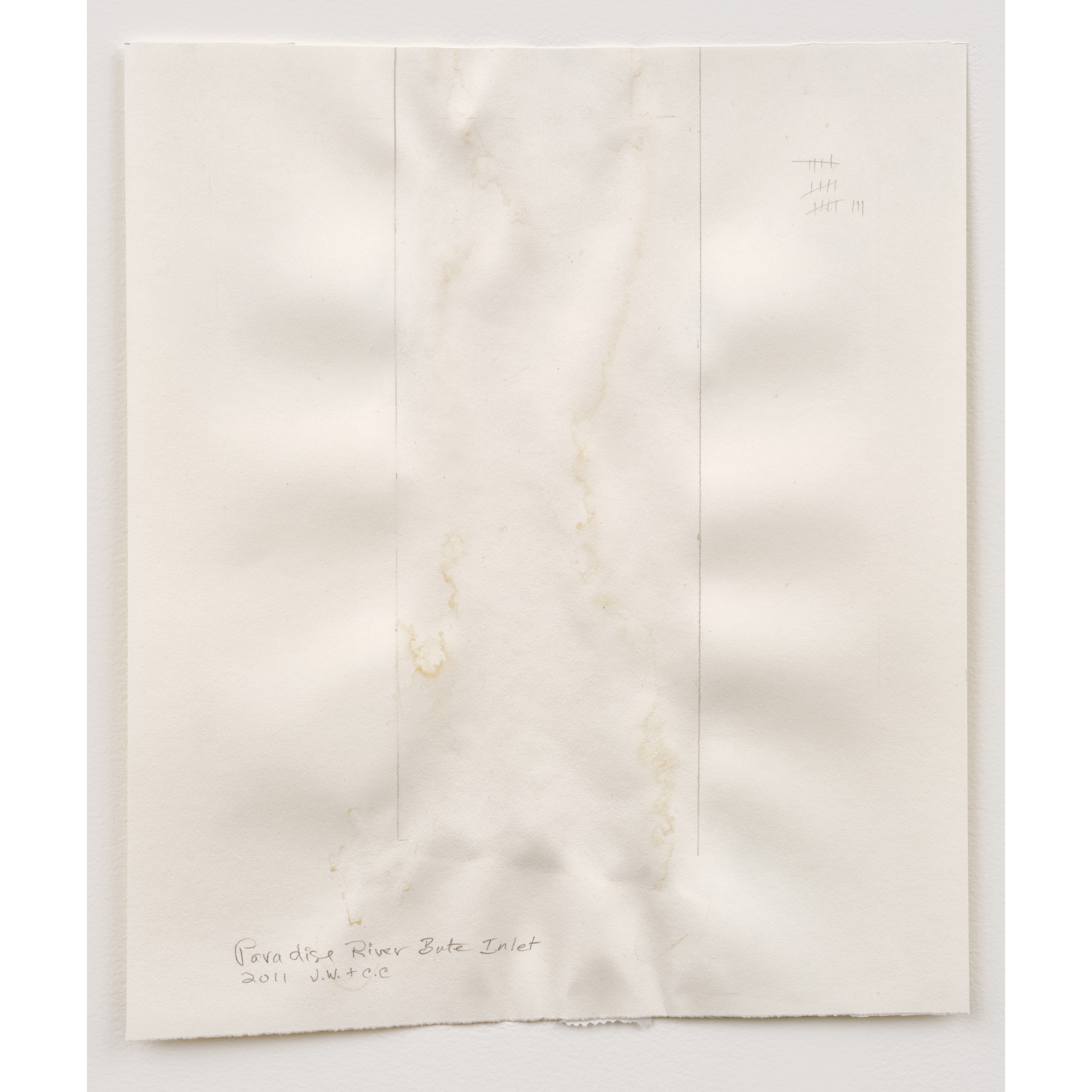
Judith Williams’ WATER / COLOUR features a sequence of paintings made solely with water collected from twenty-nine creeks and rivers up Bute Inlet, on the Pacific Coast of B.C., in ʔop qaymɩxʷ (Homalco) territory. Williams began the project in 2010 in response to corporate applications for seventeen run-of-river hydro projects in the Bute, as well as seven proposals to collect, bottle and export its fresh water. She collaborated with fishing guides, Homalco band members, loggers, mariners and mountaineers to collect the water.
The paintings express the fluidity of the element and the residue of aquatic geology, biology and botany that flows through it. Each image suspends phenomena that are usually in perpetual motion. The installation maps the geographical proximity of the waterways in the inlet, from south to north. Water is not segregated in this territory, and so Williams’ samples, marks and sequencing also conjure the symbiosis of the ecosystem.
Judith Margaret Williams is a visual artist and author living on Cortes Island, B.C., Canada. She was an Assistant Professor in the Department of Art History, Visual Art and Theory at the University of British Columbia from 1979 to 2001. Her visual art has been exhibited at the Berkeley Art Museum and Pacific Film Archive, CA; Walker Art Centre, Minneapolis MN; Cranbrook Art Museum, Detroit MI; Vancouver Art Gallery, B.C.; UBC’s Museum of Anthropology, B.C.; The Morris and Helen Belkin Art Gallery, B.C.; Surrey Art Gallery, B.C.; and the Richmond Art Gallery, B.C., amongst others. She is the author of five books published with Harbour Publishing and New Star Books, that are listed above. She has also made numerous artist books and pamphlets to accompany her projects and exhibitions, including Naming and Claiming: the Creation of Bute Inlet (2011), Salmon Stock (2003) and High Slack (1994).Her work is featured in the public collections of the B.C. Cultural Services Branch, The Morris and Helen Belkin Art Gallery, Canada Council Art Bank, Carleton University, UBC Graduate Student Collection, The Vancouver Art Gallery and the Vancouver City Public Collection.
WATER / COLOUR was made on the territories of the toq qaymɩxʷ (Klahoose), ɬəʔamɛn qaymɩxʷ (Tla’amin) and ʔop qaymɩxʷ (Homalco) nations. The project is indebted to the collaboration of Homalco Chief Darren Blaney; mountaineers John Scott, Laurie and Rob Wood; Gizelle Uzell, Randy Kelloran, Chuck and Sheron Burchill of Homathko Camp; Iris and Volker Steigemann; boating companions Cathy and John Campbell, Isabelle Desmarais, Bobo Fraser, Mark Gomes, Susan Schell and Bryan Thompson. Pale Fire would like to thank Liz Magor, Anne Low and Josh Duncan for generously supporting this iteration of the exhibition. The project was previously exhibited at the Tidal Art Centre (2022), Lund, B.C., the Old School House Gallery (2022), Cortes Island, B.C., and the Old School House Arts Centre (2024), Qualicum Beach, B.C.